
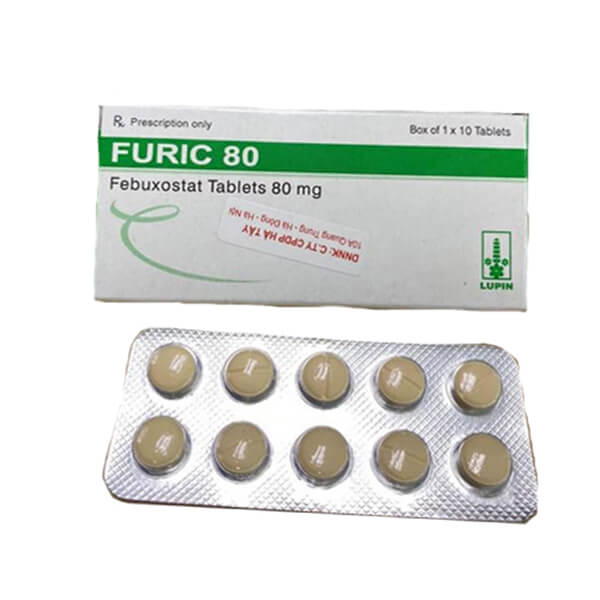
Xeuric 80mg (Febuxostat)
Previous product
Xarelto 2.5mg (Rivaroxaban)
A$56.15 A$148.80Price range: A$56.15 through A$148.80
Next product
Zimitrax 100mg (Sumatriptan)
A$168.46 A$368.50Price range: A$168.46 through A$368.50
A$28.08 A$65.98Price range: A$28.08 through A$65.98
In Stock
In Stock
Xeuric 80mg (Febuxostat)
| Pack Size | Price | Quantity | Add To Cart | |
|---|---|---|---|---|
| 30 Tablet/s | A$28.08 | |||
| 60 Tablet/s | A$49.13 | |||
| 90 Tablet/s | A$65.98 | |||
| Want to order in bulk / B2B price? Send Inquiry | ||||
×
Sorry!! Out of Stock
Sorry! Xeuric 80mg (Febuxostat) is out of stock
Please click below to view other similar medications.
View All Febuxostat Products
Offer You Can't Resist
Free Shipping
Enjoy Free Shipping on Orders above AUD304 (USD199)
Estimate Delivery :
22 October - 29 October
29
Excellent service overall
Smooth checkout, quick dispatch, and secure delivery. Excellent service overall
 Australia
October 1, 2026
Last Updated on June 29, 2026

Description
Introduction
Xeuric 80mg is an orally administered medicine that contains Febuxostat, which is a powerful anti-xanthine oxidase drug that’s used in treatments for chronic gout as well as hyperuricemia. Febuxostat is effective in reducing the levels of uric acid in serum and preventing the development of crystals containing urate that can cause painful gout attacks, as well as joint injuries.
Xeuric is a viable alternative for patients unresponsive or intolerant to the traditional urate-lowering medications like allopurinol.
Composition
- Each film-coated tablet contains:
Febuxostat – 80 mg - Inactive ingredients (excipients) comprise microcrystalline cellulose and sodium starch glycolate, magnesium stearate, among others, to guarantee stability of tablets and bioavailability.
Pharmacological Class
- Therapeutic Class: Antihyperuricemic agent
- Pharmacological Class: Xanthine oxidase inhibitor
Mechanism of Action
Febuxostat specifically blocks the xanthine oxidase, which is the enzyme that converts hypoxanthine as well as the xanthine compound into uric acid. Inhibiting this enzyme, Febuxostat efficiently reduces the levels of uric acid in serum by reducing the formation of urate crystals within joints and tissues. This helps to prevent flare-ups that cause acute gout as well as the development of chronic gouty arthritis.
Indications
Xeuric 80mg is indicated for:
- The long-term treatment for hyperuricemia for patients suffering from Gout, in particular those who fail or have a reaction to allopurinol.
- Preventing flares of gout as well as joint injury that is that is caused by chronic gouty arthritis.
- Treatment of high levels of serum uric acids in people at risk of developing Urate Nephropathy or kidney stones (off-label or as recommended by a doctor).
Dosage and Administration
- The recommended dosage for adults is 80 mg daily to be taken orally, whether or not food is consumed.
- Dosage can be adjusted depending on serum uric acid levels as well as the patient’s response. Certain patients might require a dose decrease to 40 mg per day, especially those who have moderate to mild hepatic impairment or other medical factors.
- Start treatment using prophylactic anti-inflammatory medications (e.g., colchicine, NSAIDs) in the first six months in order to decrease the risk of gout flare-ups during the urate level reduction.
- Treatment is generally long-term, and Patients should be under regular surveillance of their levels of uric acid in their blood.
Contraindications
- A known hypersensitivity reaction to Febuxostat or any other component in the formula.
- Patients taking azathioprine and Mercaptopurine therapy (due to the risk of increased toxic effects).
- Severe liver impairment or active liver disease.
- Pregnancy and breastfeeding (use only if clearly necessary).
Warnings and Precautions
- Cardiovascular risk: A few studies indicate a rise in the number of cardiovascular events (e.g., stroke, heart attack) when patients are treated with Febuxostat in comparison to allopurinol. Be cautious for those with a history of heart disease.
- Liver function: Check liver enzymes before and during treatment. Stop when significant changes are observed.
- Gout flares: Utilization of Febuxostat could trigger severe gout attacks. Prophylactic treatment is suggested.
- Hypersensitivity reactions: Severe, but rare skin reactions such as Stevens-Johnson syndrome have been observed.
- Renal impairment: A dose adjustment is rarely required. However, you should be vigilant in the case of severe impairment of renal function.
Adverse Effects
Common Side Effects:
- Liver enzyme elevations (transient)
- Nausea
- Joint pain (arthralgia)
- Rash or skin reactions
- Diarrhea
Serious Side Effects (Rare):
- Severe hypersensitivity reactions (e.g., rash, angioedema)
- Cardiovascular events (e.g., myocardial infarction, stroke)
- Hepatotoxicity
Drug Interactions
- Febuxostat may increase the levels of theophylline and mercaptopurine in the plasma. Theophylline and mercaptopurine are both metabolized in the same or needs close surveillance.
- Could be a co-inhibitor, possibly with azathioprine, warfarin, and other medicines that are metabolized through xanthine oxidase, as well as liver enzymes.
- It is important to be cautious when using medications concurrently that could cause hepatotoxicity.
- It is not necessary to have a significant interaction with commonly used medications, but be sure to inform your healthcare provider about any medicines that are being taken concurrently.
Use in Special Populations
- Elderly: There is no need for dose adjustments; however, it is important to monitor the dose closely because of the increased risk of adverse events.
- Renal impairment: Most of the time safe; no dosage adjustment is required, except for extreme instances.
- Hepatic impairment: Be cautious when using this medication in cases of mild to moderate liver impairment. It is not recommended for severe impairment.
- Pregnancy and lactation: It is unclear if the safety factor has been established. Use only in cases where the benefits outweigh the risks.
Storage
- Keep tablets stored in a dry, cool location that is at or below 30°C.
- Guard against light and moisture.
- Be sure to keep away from young children.
Patient Counseling Information
- Use Xeuric 80mg as directed, and take it at least the same time each day.
- Keep taking prophylactic treatment to avoid flare-ups of gout after starting Xeuric.
- Contact your physician if you notice any redness, trouble breathing, or swelling.
- Keep hydrated to avoid kidney stones.
- Beware of alcohol consumption and food high in purines (e.g., red meat and seafood, etc.) for better treatment results.
- Let your doctor know about all medications and supplements you’re taking.
Conclusion
Xeuric 80mg (Febuxostat) is a contemporary, efficient xanthine oxide inhibitor that is used to treat long-term cases of hyperuricemia and gout. The ability of Xeuric to lower the levels of serum uric acids aids in preventing painful flares of gout as well as joint injury, thereby improving the quality of life for patients. If properly monitored and treated, Xeuric provides a valuable alternative for those suffering from a lack of tolerance to or not adequately managed conventional treatments.
Additional Information
| Active Ingredient: | Febuxostat |
|---|---|
| Indication: | Gout |
| Manufacturer: | Kachhela Medex Pvt. Ltd. |
| Packaging: | 30 Tablets in 1 Bottle |
| Strength: | 80mg |
| Delivery Time: | 7 To 15 days |
Related products



Reviews
There are no reviews yet.