

Zycolchin (Colchicine)
Previous product

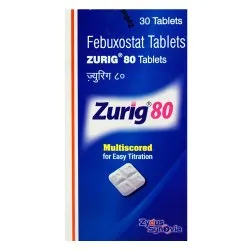
Zurig 80mg (Febuxostat)
A$25.00 A$70.00Price range: A$25.00 through A$70.00
Next product


Zyloric 300mg (Allopurinol)
A$36.00 A$67.00Price range: A$36.00 through A$67.00
A$10.00 A$18.00Price range: A$10.00 through A$18.00
In Stock
In Stock
Zycolchin (Colchicine)
| Pack Size | Price | Quantity | Add To Cart | |
|---|---|---|---|---|
| 60 Tablet/s | A$10.00 | |||
| 90 Tablet/s | A$14.00 | |||
| 120 Tablet/s | A$18.00 | |||
| Want to order in bulk / B2B price? Send Inquiry | ||||
×
Sorry!! Out of Stock
Sorry! Zycolchin (Colchicine) is out of stock
Please click below to view other similar medications.
View All Colchicine Products
Offer You Can't Resist
Free Shipping
Enjoy Free Shipping on Orders above AUD304 (USD199)
Estimate Delivery :
20 October - 27 October
48
Excellent service overall
Smooth checkout, quick dispatch, and secure delivery. Excellent service overall
 Australia
October 1, 2026
Last Updated on July 02, 2026

Description
Zycolchin (Colchicine) – Product Information
Product Name: Zycolchin
Active Ingredient: Colchicine
Dosage Form: Tablet
Overview
Zycolchin contains Colchicine, a well-established drug used to treat and prevent gout. Colchicine, an anti-inflammatory drug that reduces the accumulation of uric acid crystals within tissues and joints, causes pain and inflammation during gout attacks.
In addition to gout, Zycolchin, also known as Colchicine, is used to treat Familial Mediterranean Fever (FMF), an inherited, rare, inflammatory condition, along with other indications that are not listed on the label.
Mechanism of Action
Colchicine disrupts the formation of microtubules in cells (particularly neutrophils, a type of white blood cell). Colchicine inhibits the adhesion and activation of neutrophils. This reduces pain and inflammation caused by crystals in joints. Colchicine, unlike nonsteroidal antiinflammatory drugs (NSAIDs), does not work as a painkiller. Instead, it modulates inflammation directly.
Therapeutic Indications
- Acute Gout Flares
- Pain and inflammation caused by acute gout attacks can be relieved quickly.
- Prophylaxis of Gout
- Controlling inflammation in chronic treatment can prevent recurrent attacks of gout.
- Familial Mediterranean Fever (FMF)
- Reduction in the frequency of and severity associated with fever and inflammation.
- Other Uses (Off-label)
- Pericarditis, Behçet’s disease, and other inflammatory conditions as determined by a physician.
Pharmacokinetics
- Absorption: Colchicine can be rapidly absorbed through the digestive tract, with bioavailability at approximately 45%.
- Peak Plasma Concentration: After oral administration, the patient is usually reached in 1 to 2 hours.
- Distribution: Leukocytes and other tissues are widely distributed.
- Metabolism: CYP3A4 is a liver enzyme that partially metabolizes the drug.
- Elimination: The main excretion is via urine and feces.
- Half-Life: Approximately 9 hours.
Dosage and Administration
Acute Gout Attack:
- Initial dose: 1.2 mg (usually two 0.6 mg tablets) followed by 0.6 mg one hour later.
- Maintenance dose: Take 0.6 mg twice daily or once to stop further attacks.
- To reduce toxicities, do not exceed the total dosage of 1.8mg over an hour or 2.4mg/day.
Gout Prophylaxis:
- Typical dose: Take 0.6 mg twice or once daily.
- When uric acids are high, treatment is usually prolonged.
Familial Mediterranean Fever (FMF):
- The dose varies depending on age and body weight. Typically, 0.6 to 1.2mg daily is divided into one or two separate doses.
Contraindications
- Hypersensitivity to colchicine is known.
- Severe renal or hepatic impairment.
- Use of drugs that strongly inhibit CYP3A4 and P-glycoprotein concurrently without dosage adjustment.
- Pregnancy and breastfeeding unless benefits outweigh risks (use with caution).
Warnings and Precautions
- Toxicity Risk
- Colchicine is a drug with a limited therapeutic window. Overdoses can cause death.
- The symptoms of toxication include stomach pain, a decrease in bone marrow, as well as neuropathy and multi-organ failure.
- The strictest adherence to dosages is vital.
- Gastrointestinal Side Effects
- Vomiting, nausea, diarrhea, and abdominal pain are all common and could be a sign of early toxicity.
- Drug Interactions
- Avoid combining with CYP3A4 inhibitors (e.g., clarithromycin, ketoconazole) or P-glycoprotein inhibitors (e.g., cyclosporine) without dose adjustment.
- Statins in combination can cause a higher risk of muscle toxicity.
- Renal and Hepatic Impairment
- Take care and modify the dosage according to your needs.
- Watch patients carefully for indications of the presence of toxicity.
Adverse Effects
Common Side Effects:
- Diarrhea
- Nausea and vomiting
- Abdominal cramps
Serious but Rare:
- Bone marrow suppression (leukopenia, thrombocytopenia, anemia)
- Neuromyopathy and myopathy
- Allergic reactions (rash, itching)
- Peripheral neuropathy
If serious side effects develop, stop Zycolchin as soon as possible and consult a physician.
Drug Interactions
- CYP3A4 inhibitors: The increase in colchicine levels raises the risk of toxicity.
- P-glycoprotein inhibitors: Also, increase plasma levels of colchicine.
- Statins or fibrates: The risk of muscle injury is increased.
- Digoxin: Colchicine can increase levels of digoxin.
- Other drugs: Avoid using drugs that can cause the bone marrow to stop growing.
Use in Special Populations
- Pregnancy: Only limited data. Use only in cases where it is absolutely needed.
- Lactation: Extracted from breast milk. Take into account the benefits and risks.
- Pediatrics: Effectiveness and safety are established for FMF. Dosing should be based on weight.
- Elderly: Higher risk of toxicity because of impaired kidney function. Start in lower doses and keep track.
Storage
- Keep it in a cool, dry location in a dark, dry place away from direct sunlight.
- Make sure the medicine is away from children.
- Use only until the expiration dates that is printed on the packaging.
Packaging
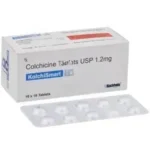
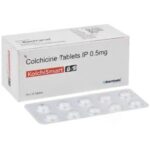
- Zycolchin tablets can be purchased in blister packs that contain 10 tablets.
- Each tablet is branded with the code that identifies the tablet for quality and safety.
Frequently Asked Questions (FAQs)
Q: How quickly does Zycolchin work for gout attacks?
A: The relief from inflammation and pain generally begins 12 to 24 hours following the start of treatment.
Q: Can Zycolchin be used with other gout medications?
A: Yes, it is mixed with drugs that lower urate. However, always under supervision from a physician.
Q: What should I do if I miss a dose?
A: Do not miss a dose until you remember or if it’s nearing the time of the next dose. Don’t double your dose.
Q: Are there any foods or drinks I should avoid?
A: Not a lot of restrictions. However, restricting alcohol consumption and purine-rich foods could help in reducing the severity of gout.
Conclusion
Zycolchin (Colchicine) is a vital medication for the treatment of gout and related inflammatory conditions. The anti-inflammatory effect of the drug helps ease acute pain and help prevent repeat attacks, enhancing the patient’s quality of life.
Monitoring and careful dosing are crucial to reap maximum benefits while keeping risks to a minimum, because of colchicine’s limited therapeutic range. Patients must adhere to the prescribed dosages and speak with medical professionals about any concerns.
Additional Information
| Manufacturer | Zydus Cadila Pharma |
|---|---|
| Pharmaceutical | Tablet/s |
| Strength | 0.5 mg |
| Pack Size | 120 Tablet/s, 60 Tablet/s, 90 Tablet/s |
Related products



Reviews
There are no reviews yet.