
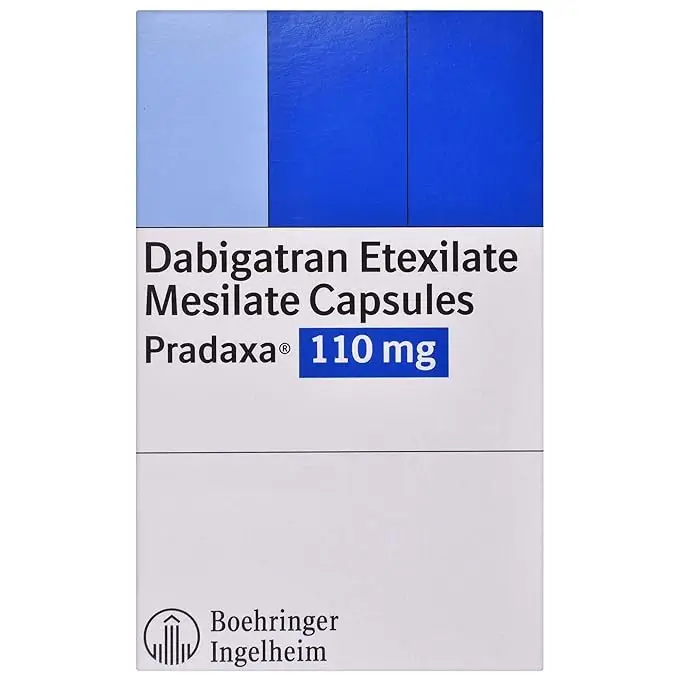
Pradaxa 110mg (Dabigatran Etexilate)
Previous product

Pradaxa 75mg (Dabigatran Etexilate)
A$101.08 A$274.36Price range: A$101.08 through A$274.36
Next product
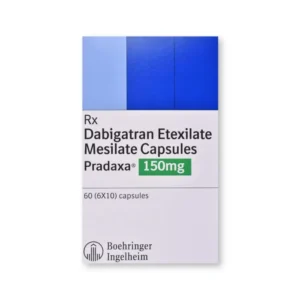
Pradaxa 150mg (Dabigatran Etexilate)
A$101.08 A$274.36Price range: A$101.08 through A$274.36
A$101.08 A$274.36Price range: A$101.08 through A$274.36
In Stock
In Stock
Pradaxa 110mg (Dabigatran Etexilate)
| Pack Size | Price | Quantity | Add To Cart | |
|---|---|---|---|---|
| 30 Capsule/s | A$101.08 | |||
| 60 Capsule/s | A$187.72 | |||
| 90 Capsule/s | A$274.36 | |||
| Want to order in bulk / B2B price? Send Inquiry | ||||
×
Sorry!! Out of Stock
Sorry! Pradaxa 110mg (Dabigatran Etexilate) is out of stock
Please click below to view other similar medications.
View All Dabigatran Etexilate Products
Offer You Can't Resist
Free Shipping
Enjoy Free Shipping on Orders above AUD304 (USD199)
Estimate Shipping :
28 August - 04 September
33
Last Updated on May 13, 2026

Description
Pradaxa 110mg (Dabigatran Etexilate): A Comprehensive Guide to Its Uses and Benefits
The formation of blood clots is a significant health risk that could cause life-threatening illnesses like stroke, as well as deep vein thrombosis (DVT) and an embolism in the pulmonary system (PE). Anticoagulants, also referred to as blood thinners, are drugs that aim to lower the chance of developing clots. One of the most recent and efficient anticoagulant drugs is Pradaxa 110mg, which is a potent combination of Dabigatran Etexilate. The medication is used extensively to prevent and treat blood clots that occur in a variety of medical situations.
What is Pradaxa 110mg?
Pradaxa is a prescribed oral anticoagulant that has Dabigatran Etexilate, directly thrombin inhibitor. The enzyme Thrombin is essential to the process of blood clotting. Inhibiting thrombin, Pradaxa blocks the growth of fibrin, which is an important protein that helps blood clots to form.
Contrary to older anticoagulants like warfarin, Pradaxa has a more stable effect, does not require regular blood tests, as well as fewer restrictions on food intake, making it a suitable choice for a lot of patients.
How Does Pradaxa Work?
Pradaxa acts by directly inhibiting the thrombin (factor IIa), which is an essential enzyme to convert fibrinogen into fibrin in the clotting process. In blocking thrombin’s actions, Pradaxa effectively reduces the creation of blood clots within blood vessels.
This prevents conditions that could lead to:
- The risk of systemic embolism as well as stroke for patients who suffer from non-valvular atrial fibrillation.
- Deep vein thrombosis (DVT) and pulmonary embolism (PE), particularly after specific surgeries, for example, knee or hip replacement
- Incidence of DVT and PE even after the treatment
The direct effect of the drug upon thrombin is distinct in comparison to Vitamin K antagonists (like warfarin), which provide a fast beginning and an offset of the anticoagulant effects.
Indications and Uses
Pradaxa 110mg tablets are prescribed for several clinical reasons:
- Preventing stroke and systemic embolism in patients who suffer from non-valvular atrial fibrillation.
- The treatment of chronic deep vein thrombosis (DVT) as well as an embolism in the pulmonary system (PE)
- The prevention of recurrence of DVT or PE following the first anticoagulant therapy
- Prevention of venous thromboembolism in patients who undergo a knee or hip replacement procedure
Its safety profile and effectiveness are what have been the main reasons for making Pradaxa an increasingly popular choice in the indications listed above.
Dosage and Administration
Pradaxa 110mg capsules are typically taken twice a day, orally. The usual regimen includes:
- For stroke prevention in atrial fibrillation: 110mg once a day twice
- For treatment of DVT/PE and prevention of recurrence: dosage may differ, and usually begins by taking an initial dose of other anticoagulants prior to moving on to Pradaxa
It is crucial to take Pradaxa by drinking a large glass of water and to consume the capsules completely without chewing, breaking, or removing the capsules. The consistency of timing is essential to maintain the therapeutic blood level.
Follow your doctor’s prescriptions for dosage and don’t take a break from the use of Pradaxa without consulting your physician, since abrupt discontinuation could raise the risk of developing clots.
Precautions and Contraindications
Although Pradaxa can be effective, it is best used in moderation:
- Bleeding risk: Like all anticoagulants, Pradaxa can increase the risk of bleeding. Beware of injuries and report any abnormal bleeding (e.g., nosebleeds, bleeding gums, bloody stool or urine) promptly.
- Kidney function: Pradaxa is eliminated mostly through the kidneys. Patients who have impaired kidney function might need dosage adjustments or other treatments.
- Allergies: Don’t use Pradaxa if you are allergic to dabigatran or other components in the pill.
- Surgery or invasive procedures: Contact your doctor before any scheduled dental procedures. Pradaxa might need to be temporarily stopped.
- Other medications: Certain medications may affect Pradaxa and increase bleeding risk or impact its effectiveness, like other anticoagulants, the antiplatelet drug, and antivirals and antifungals.
Possible Side Effects
Common side effects from Pradaxa can include:
- Bleeding complications (e.g., bruising, nosebleeds, gastrointestinal bleeding)
- Indigestion or stomach discomfort
- Heartburn
- Nausea
The more serious bleeding, while uncommon, demands urgent medical treatment. Contact your physician whenever you see any sign of serious bleeding, including unusual bruising and bleeding that continues for long periods, or coughing up blood or a severe headache.
Frequently Asked Questions (FAQs)
Q1: How quickly does Pradaxa start working?
Pradaxa can be onset quickly, typically achieves its anticoagulant action within a couple of hours after the administration of an oral medication.
Q2: Do I need regular blood tests while taking Pradaxa?
In contrast to warfarin, Pradaxa generally doesn’t need frequent blood testing to determine the effectiveness of its effects, although tests for kidney function may be required periodically.
Q3: Can I take Pradaxa with food?
Yes, it is true that Pradaxa may be consumed either with or without eating. Consuming it along with food can aid in reducing stomach upset.
Q4: What should I do if I miss a dose?
Make sure to take the dose missed when you can remember it If it’s longer than six hours prior to when you take your next dose. In other cases, do not take it. Keep your regular dose schedule. Never double the dosage.
Q5: Is Pradaxa safe during pregnancy?
Pradaxa is usually not advised in pregnancy, unless necessary. Consider options with your doctor when you’re already pregnant or are planning to get pregnant.
Q6: Can I drink alcohol while on Pradaxa?
Drinking alcohol may increase the likelihood of bleeding. It is advised to restrict consumption of alcohol and talk to your physician about the safest consumption amounts.
Q7: How is Pradaxa different from warfarin?
Pradaxa is a drug that blocks the thrombin process directly. It has a stable effect. There are fewer food limitations, and it doesn’t need frequent blood tests as opposed to warfarin.
Conclusion
Pradaxa 110mg (Dabigatran Etexilate) is an important technological advancement in anticoagulant therapy that provides effective prevention and treatment of blood clots, offering greater ease of use and less monitoring as compared to traditional medicines. Its specific action reduces stroke risk during atrial fibrillation. It also helps manage venous thromboembolism, with a more favorable safety profile.
Due to the inherent dangers associated with anticoagulation therapies, it’s vital to take Pradaxa under the strict supervision of a medical professional. Follow the dosing guidelines carefully and inform of any adverse consequences promptly. If you or your loved one is advised to take Pradaxa, knowing its functions along with the potential adverse effects can help you ensure a safe and efficient treatment.
Always speak with your physician for advice specific to your needs prior to making any modifications to your treatment regimen.
Additional Information
| Manufacturer | Boehringer Ingelheim India Pvt.Ltd |
|---|---|
| Pharmaceutical | Capsule/s |
| Strength | 110mg |
| Pack Size | 30 Capsule/s , 60 Capsule/s , 90 Capsule/s |
Related products
Recently Viewed

Reviews
There are no reviews yet.