
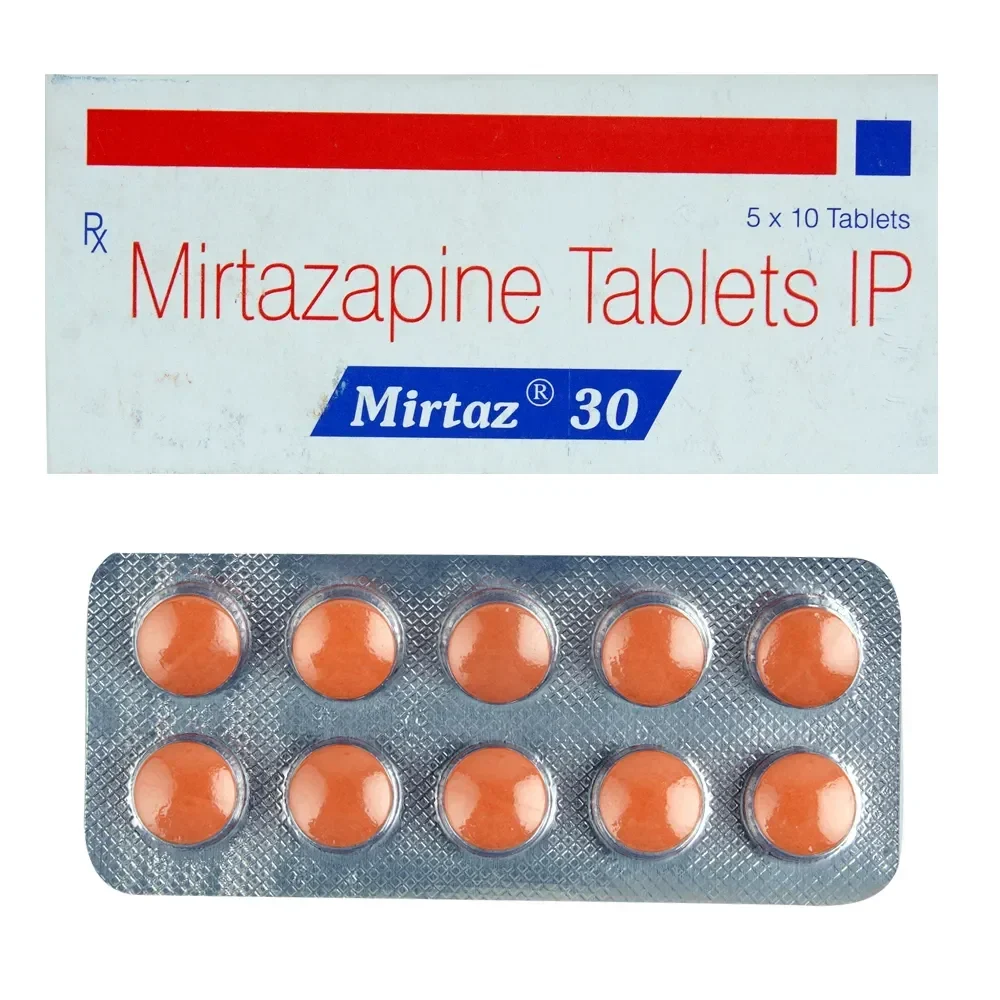
Mirtaz 30mg (Mirtazapine)
Previous product
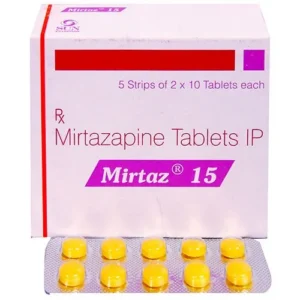
Mirtaz 15mg (Mirtazapine)
A$50.00 A$89.00Price range: A$50.00 through A$89.00
Next product
Modula 5mg (Tadalafil)
A$58.00 A$94.00Price range: A$58.00 through A$94.00
A$60.00 A$110.00Price range: A$60.00 through A$110.00
In Stock
In Stock
Mirtaz 30mg (Mirtazapine)
| Pack Size | Price | Quantity | Add To Cart | |
|---|---|---|---|---|
| 60 Tablet/s | A$60.00 | |||
| 90 Tablet/s | A$85.00 | |||
| 120 Tablet/s | A$110.00 | |||
| Want to order in bulk / B2B price? Send Inquiry | ||||
×
Sorry!! Out of Stock
Sorry! Mirtaz 30mg (Mirtazapine) is out of stock
Please click below to view other similar medications.
View All Mirtazapine Products
Offer You Can't Resist
Free Shipping
Enjoy Free Shipping on Orders above AUD304 (USD199)
Estimate Delivery :
13 October - 20 October
50
Very professional experience
Very professional experience with clear communication and dependable delivery.
 Australia
September 29, 2026
Last Updated on April 25, 2026

Description
Introduction
Mental health is equally crucial as physical health, and medicines such as Mirtaz 30 mg are essential in the treatment of mood disorders. Mirtazapine is sold under the brand name Mirtaz and is a frequently used antidepressant that is known as a reliable treatment for depression as well as anxiety. It can also help patients who have sleep issues that are related to these disorders.
This blog explains everything you should be aware of about Mirtaz 30mg, that includes everything from the process and how it’s used, the adverse effects it can cause, and safety guidelines, making it easier to take it safely and effectively.
What is Mirtaz 30mg?
Mirtaz 30mg includes Mirtazapine, an antidepressant prescription drug known as a particular serotonergic antidepressant (NaSSA). Contrary to the typical selective serotonin inhibitors (SSRIs), Mirtazapine functions by a specific mechanism that affects the two neurotransmitters, noradrenaline (norepinephrine) and serotonin, which are responsible for regulating mood, anxiety, and sleep.
Mirtazapine is usually favored due to its dual actions and properties to soothe, which makes it ideal for people suffering from depression and trouble getting sleep.
How Does Mirtaz 30mg Work?
Mirtazapine works by:
- Blocking central alpha-2 adrenergic receptors, that increase the amount of norepinephrine released and serotonin within the brain.
- Antagonizing certain serotonin receptors (5-HT2 and 5-HT3), enhancing mood with no side effects that are common to SSRIs.
- Blocking histamine H1 receptors, and causing its sedative effects and helps to improve the quality of sleep.
This combo can help boost mood, decrease anxiety, and improve sleeping patterns. Typically, this happens in the first 1 to 2 weeks of beginning treatment.
Uses of Mirtaz 30mg
Mirtaz 30mg is primarily prescribed for:
Major Depressive Disorder (MDD)
It is effective in treating the symptoms of depression, such as persistent depression, boredom, or lack of energy, as well as changes in sleeping or appetite.
Anxiety Disorders
Mirtazapine can be used off-label to treat generalized anxiety disorder (GAD) as well as panic disorder owing to its tranquilizing effects.
Insomnia
Due to its sedative qualities, Mirtazapine can be used in the treatment of patients suffering from sleep disorders related to anxiety or depression.
Post-Traumatic Stress Disorder (PTSD) and Other Off-Label Uses
Some psychiatrists utilize Mirtazapine off-label to treat PTSD as well as obsessive-compulsive disorders (OCD), as well as stimulant of appetite in cases such as obesity loss due to HIV or AIDS, as well as cancer.
Dosage and How to Take Mirtaz 30mg
- The usual adult dosage is 15 mg once a day, typically taken before time of bed due to its sedative properties.
- The dose can be gradually increased until 30mg or more daily, depending upon tolerance and reaction.
- For Mirtaz 30mg, is typically, it’s used when a moderate dose is required, or in the first adjustment from smaller doses.
Important tips for taking Mirtazapine:
- Use the medicine precisely as directed by your doctor.
- It is best to take it at night or just before going to bed for a reduction in daytime sleepiness.
- It is a good option to take it either with or without meals.
- Don’t stop taking the medicine suddenly; having the medication tapered off under the supervision of a medical professional is crucial to avoid withdrawal effects.
How Long Does Mirtazapine Take to Work?
Patients typically experience an improvement in their moods and sleep in one to two weeks. However, it can require up to six weeks to fully experiencing the effectiveness of the antidepressant. It’s crucial to maintain treatment according to the prescription and keep attending check-ups to assess the progress.
Side Effects of Mirtaz 30mg
As with all medicines that are prescribed, Mirtazapine could cause side effects. The majority are minor and usually improve with the course of time.
Common Side Effects:
- Drowsiness or sedation (most common)
- Increased appetite and weight gain
- Dry mouth
- Dizziness
- Constipation
- Increased cholesterol or triglycerides (with long-term use)
Less Common but Serious Side Effects:
- Low blood sodium levels (hyponatremia)
- Severe allergic reactions (rash, swelling, difficulty breathing)
- Mood changes or suicidal thoughts — especially in young adults under 25
- Serotonin condition, when mixed with a serotonergic drug (symptoms may include hallucinations, agitation, and rapid heartbeat)
If you suffer from serious side effects or your mood is getting worse, consult your medical doctor immediately.
Precautions and Warnings
- Not for Use in Children or Adolescents
Mirtazapine is not a medication that is approved for youngsters under the age of 18 because of the risk of suicidal ideation.
- Pregnancy and Breastfeeding
- Make sure to only use it in the course of pregnancy. Be sure to discuss the benefits and risks with your physician.
- It’s absorbed by the breast milk. Consult your physician before nursing.
- Alcohol and Other CNS Depressants
Do not drink alcohol or other sedatives when using Mirtazapine because they may cause dizziness and drowsiness.
- Medical Conditions
Contact your physician if you are suffering from:
- Liver or kidney problems
- Heart disease
- Bipolar disorder or a history of mania
- Seizure disorders
Drug Interactions
Mirtazapine could interfere with other drugs, for example:
- Other antidepressants or MAO inhibitors — risk of serotonin syndrome
- Benzodiazepines and other sedatives — increased sedation
- Blood thinners like warfarin
- Medications that affect liver enzymes (like carbamazepine)
Always present your physician with the complete listing of all your medicines as well as supplements.
Tips for Managing Side Effects and Improving Treatment Outcomes
- Use Mirtazapine in the evening to reduce the effects of drowsiness during the day.
- Be sure to monitor your weight frequently because an increase in appetite could cause weight gain.
- Keep hydrated and eat the right balance in your eating plan.
- Be aware of any mood swings or suicidal ideas immediately.
- Do not stop or alter the dosage without contacting your physician.
Conclusion
Mirtaz 30mg (Mirtazapine) is a beneficial medication that can help with anxiety, depression, and sleep issues. The unique way it works on serotonin and noradrenaline, along with the sedative properties, makes it an ideal choice for a lot of patients suffering from these conditions.
Like other antidepressants, it needs cautious use with medical supervision. Learning about how it functions and the potential side effects, and taking precautions can help you gain the maximum benefit from your medication and minimize the risk.
If you or your loved one is prescribed Mirtazapine, talk openly to your doctor, adhere to guidelines, and do not avoid asking questions regarding the medication you’re receiving.
Disclaimer: This blog is intended for informational purposes only. It is not intended to take the place of professional medical advice. Always seek advice from a medical specialist for advice and diagnosis that is tailored to the needs of your.
Additional Information
| Active Ingredient: | Mirtazapine |
|---|---|
| Indication: | Depression |
| Manufacturer: | Sun Pharmaceutical Industries Ltd. |
| Strength: | 30mg |
| Packaging: | 10 Tablets in 1 Strip |
| Delivery Time: | 7 To 15 days |
Related products






Reviews
There are no reviews yet.