
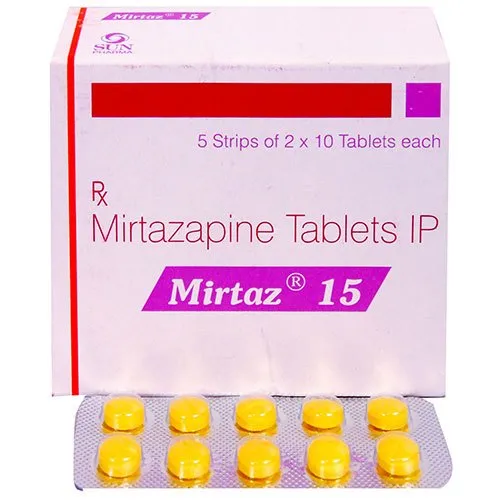
Mirtaz 15mg (Mirtazapine)
Previous product

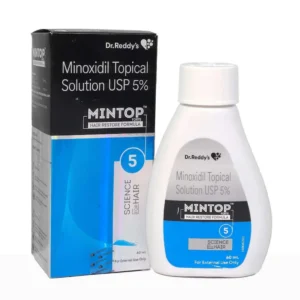
Mintop Solution 5% (Minoxidil)
A$36.10 A$173.28Price range: A$36.10 through A$173.28
Next product
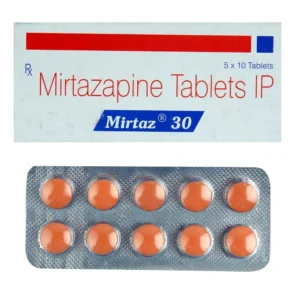
Mirtaz 30mg (Mirtazapine)
A$86.64 A$158.84Price range: A$86.64 through A$158.84
A$72.20 A$128.52Price range: A$72.20 through A$128.52
In Stock
In Stock
Mirtaz 15mg (Mirtazapine)
| Pack Size | Price | Quantity | Add To Cart | |
|---|---|---|---|---|
| 60 Tablet/s | A$72.20 | |||
| 90 Tablet/s | A$99.64 | |||
| 120 Tablet/s | A$128.52 | |||
| Want to order in bulk / B2B price? Send Inquiry | ||||
×
Sorry!! Out of Stock
Sorry! Mirtaz 15mg (Mirtazapine) is out of stock
Please click below to view other similar medications.
View All Mirtazapine Products

Offer You Can't Resist
Free Shipping
Enjoy Free Shipping on Orders above AUD304 (USD199)
Estimate Delivery :
16 September - 23 September
33
Secure Packaging
My order was packaged carefully and arrived in good condition. The whole process was handled professionally, and communication was excellent. Thank you for the great service
 Australia
August 18, 2026
Last Updated on April 25, 2026

Description
Mirtaz 15mg (Mirtazapine): A Complete Guide to Uses, Benefits, Side Effects, and More
The state of your mental health is just as crucial as physical health, but illnesses such as depression frequently go untreated or are misunderstood. Modern medical technology has produced a wide variety of treatment options that are effective. One of them are Mirtaz 15 mg, which is made up of Mirtazapine–a strong antidepressant typically prescribed to those suffering from major depression (MDD), anxiety, and sleep issues.
In this article on this blog, we’ll cover all you need to learn concerning Mirtaz 15 mg. We’ll explain its nature, what it is, how it operates, with its positive and negative adverse effects, warnings, and suggestions for safe use.
What is Mirtaz 15mg?
Mirtaz 15 mg is a prescribed medication that contains Mirtazapine, which is a kind of antidepressant that is classified as a particular serotonergic and noradrenergic antidepressant (NaSSA). The medication is usually used to treat:
- Major depressive disorder (MDD)
- Generalized anxiety disorder (GAD)
- Insomnia related to depression
- Occasionally, conditions are off-label, such as PTSD, panic disorder, or eating disorders
How Does Mirtazapine Work?
In contrast to SSRIs (selective serotonin Reuptake Inhibitors), Mirtazapine performs a different function. It increases the level of norepinephrine (noradrenaline) and serotonin in the brain through inhibiting specific receptors (alpha-2 adrenergic as well as certain serotonin-related receptors). The result is that there are more of the “feel-good” neurotransmitters in the brain, which help to regulate mood and lessen the symptoms of anxiety and depression.
In addition, Mirtazapine has antihistamine properties and contributes to its property of sedating–making it a great choice for people who are having trouble sleeping.
Key Uses of Mirtaz 15 mg
- Major Depressive Disorder (MDD)
The main indication for Mirtazapine is treating major depression. It can help alleviate the symptoms of depression, such as:
- Low mood
- Fatigue
- Poor concentration
- Sleep disturbances
- Loss of appetite
- Suicidal thoughts (under supervision)
- Insomnia
Due to its powerful effects on sedation, Mirtaz is often prescribed to treat problems with sleeping and depression. It aids patients in falling asleep more quickly and enhances the quality of their sleep.
- Anxiety Disorders
Mirtazapine is medications that can help decrease generalized anxiety as well as irritability and anxiety. It can also be prescribed to treat social anxiety disorders as well as anxiety disorders (off-label).
- Appetite Stimulation and Weight Gain
In contrast to other antidepressants, which reduce appetite levels, Mirtazapine typically causes an increase in appetite and weight gain. It is therefore beneficial for people who are obese or who have lost their appetite as a result of illnesses or depression.
- Other Off-Label Uses
Some doctors use Mirtaz for:
- PTSD
- OCD
- Chronic pain conditions (as an adjunct)
- Nausea and vomiting (especially in palliative care)
Dosage and Administration
- Starting Dose: Mirtaz 15 mg twice daily is normally consumed during the night because of the sedative properties of this drug.
- The dosage can be raised to 30 or 45 mg daily dependent on responses and the degree of tolerability.
- Tablets must be taken whole, either with food or not.
⚠️ Do not stop taking the medication suddenly. Always consult your physician before making any changes to the dosage.
Benefits of Mirtazapine
Effective for Both Mood and Sleep
Contrary to SSRIs, which can cause insomnia, Mirtazapine can help people sleep better, and often works during the first week in the treatment of sleep issues.
Fast Onset
Patients usually report improvement in eating and sleeping within a few days. They also report the improvement in mood between 2 and 4 weeks.
Fewer Sexual Side Effects
Compared to SSRIs and SNRIs. Mirtazapine is associated with the advantage of having a lower risk of sexual dysfunction, as a frequent adverse effect that is seen in other antidepressants.
Good for Anxious Depression
Its relaxing properties can be beneficial for individuals suffering from depression and anxiety.
Side Effects of Mirtaz 15 mg
Like other medications that are prescribed, Mirtazapine may cause adverse reactions. Many are not serious and will improve over time.
Common Side Effects:
- Drowsiness or sedation (most common)
- Increased appetite
- Weight gain
- Dry mouth
- Constipation
- Dizziness
Less Common or Serious Side Effects:
- Low blood pressure
- Nightmares or vivid dreams
- Agitation or restlessness
- Liver enzyme elevation (rare)
- Suicidal thoughts in young adults (closely monitored)
Seek medical attention if you notice:
- Severe allergic reactions (rash, swelling, breathing difficulty)
- Sudden mood swings, aggression, or suicidal ideation
Precautions and Warnings
- Suicidal Thoughts
Similar to other antidepressants, Mirtazapine can cause suicidal thinking to increase for some individuals fewer than 25, particularly during the initial weeks. Regular monitoring is essential.
- Alcohol Use
Do not drink alcohol since it may cause the effects of sedation and increase the likelihood of getting side effects.
- Driving and Machinery
In order to avoid drowsiness, refrain from using machinery or driving until you understand how this medication impacts you.
- Pregnancy and Breastfeeding
- Only use if necessary and if prescribed.
- There are risks to consider; therefore, always check with your health doctor.
- Medical Conditions
Speak to your doctor if you suffer from any of the following:
- Liver or kidney disease
- Seizure disorders
- Bipolar disorder (can trigger manic episodes)
- Glaucoma or urinary retention
Interactions with Other Drugs
Mirtazapine is a drug that interacts with a variety of drugs. Tell your physician if you are taking any of the following medications:
- MAO inhibitors (e.g., phenelzine, selegiline) — serious interactions
- Benzodiazepines or sedatives — can increase the amount of your drowsiness
- Anticonvulsants like phenytoin or carbamazepine could lower the levels of Mirtazapine.
- Warfarin — can affect blood clotting times
- SSRIs or SNRIs — Serotonin syndrome is a risk
How Long Does It Take to Work?
- Appetite and sleep generally improve after the initial week.
- The mood, energy, and enthusiasm for activities generally improve after 2 to 4 weeks.
- The full effect may last between 6 and 8 weeks.
Stopping Mirtazapine: What to Know
Do not stop abruptly, since it may cause withdrawal signs like:
- Nausea
- Headache
- Irritability
- Dizziness
- Sleep disturbances
Reduce the dosage slowly, with the guidance of a physician.
Storage and Handling
- Keep at ambient temperatures (15-30°C).
- Stay away from water and the sun’s rays.
- Make sure that the area is safe for youngsters.
Conclusion
Mirtaz 15 mg (Mirtazapine) is a highly-tolerated and effective antidepressant that is suitable for people suffering from depression or anxiety, insomnia, or inability to eat. Its distinctive mechanism is a great alternative to SNRIs and SSRIs, specifically for patients who are struggling to sleep. Similar to all medicines that are prescribed, it should be used under medical supervision in order for maximum benefits and to minimize adverse effects.
If you or a family member is suffering from anxiety or depression, don’t hesitate to consult a medical professional. If you are treated properly, it can make a world of an impact.
Disclaimer: This blog is intended for educational purposes only. It should not be used to replace medical advice given by a doctor. Always consult your physician before taking or stopping any medication.
Additional Information
| Active Ingredient: | Mirtazapine |
|---|---|
| Indication: | Depression |
| Manufacturer: | Sun Pharmaceutical Industries Ltd. |
| Strength: | 15mg |
| Packaging: | 10 Tablets in 1 Strip |
| Delivery Time: | 7 To 15 days |
Related products






Reviews
There are no reviews yet.