
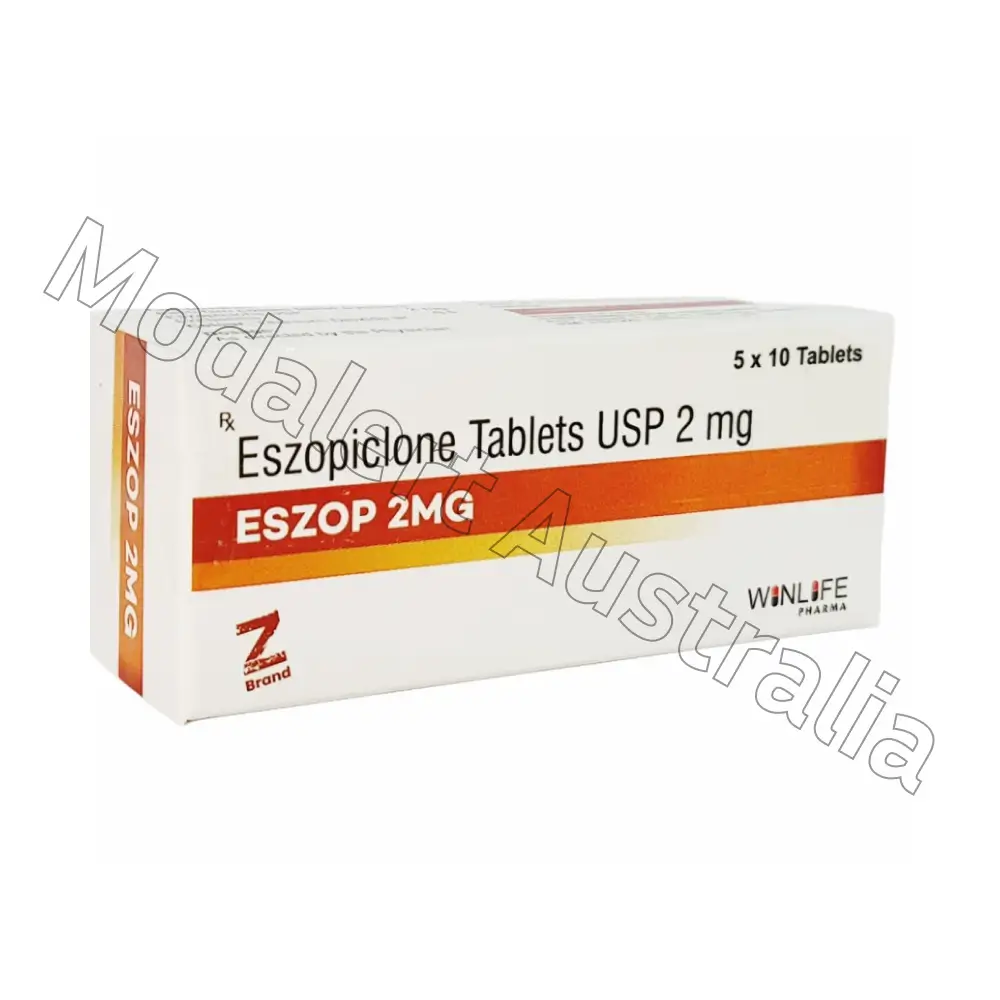
Eszop 2 Mg (Eszopiclone)
Previous product
Eszop 1 Mg (Eszopiclone)
$111.59 $565.92Price range: $111.59 through $565.92
Next product
Eszop 3 Mg (Eszopiclone)
$151.44 $797.07Price range: $151.44 through $797.07
$143.47 $781.13Price range: $143.47 through $781.13
In Stock
In Stock
Eszop 2 Mg (Eszopiclone)
| Pack Size | Price | Quantity | Add To Cart | |
|---|---|---|---|---|
| 50 Tablet/s | $143.47 | |||
| 100 Tablet/s | $271.00 | |||
| 200 Tablet/s | $494.18 | |||
| 300 Tablet/s | $669.54 | |||
| 500 Tablet/s | $781.13 | |||
| Want to order in bulk / B2B price? Send Inquiry | ||||
×
Sorry!! Out of Stock
Sorry! Eszop 2 Mg (Eszopiclone) is out of stock
Please click below to view other similar medications.
View All Eszopiclone Products

Offer You Can't Resist
Free Shipping
Enjoy Free Shipping on Orders above AUD304 (USD199)
Estimate Delivery :
12 October - 19 October
22
Excellent service overall
Smooth checkout, quick dispatch, and secure delivery. Excellent service overall
 Australia
October 1, 2026
Last Updated on August 06, 2026

Description
Sleep is crucial for both the mental and physical health of a person, and yet, millions around the world suffer from insomnia or various sleep issues. Eszop 2 mg is a drug that contains an active component, Eszopiclone, which is a common medication created to assist people who are having difficulty sleeping or staying asleep. This article will cover the essential information you should be aware of regarding Eszop 2 mg, including the way it works, effects, dosage, reactions, safety precautions, as well as the most frequently sought-after concerns.
What is Eszop 2 mg?
Eszop 2 mg can be described as a prescribed medication that is mostly used for treating sleepiness as a disorder which is characterized by difficulty getting to sleep, staying asleep, or experiencing restful sleep. Eszopiclone falls under a category of medicines referred to as non-benzodiazepine hypnotics, also known as “Z-drugs”. These drugs are made to induce and sustain sleep with less danger of becoming dependent as compared to the traditional benzodiazepines.
It works upon specific receptors within the brain which control the cycle of sleep and wake, assisting in restoring a normal pattern of sleeping.
How Does Eszop 2 mg Work?
Eszopiclone affects GABA (gamma-aminobutyric acid) receptors located in the brain, which are inhibitory neurotransmitters that are responsible for calming brain activity. Through enhancing the effects of GABA, Eszop slows down brain activity and makes it simpler to sleep and to stay asleep for a longer period of time.
Contrary to other sleeping medications, Eszopiclone targets specifically the GABA-A receptor type, stimulating sleep but not producing the powerful muscle relaxation or anxiety-reducing results that are seen in the benzodiazepines.
Uses of Eszop 2 mg
The main use for Eszop 2 mg is:
- Treatment of insomnia: It assists people in falling asleep faster, lessens wakefulness at night, and boosts overall sleep quality.
Doctors might prescribe Eszopiclone to treat short-term needs and sometimes for a longer duration, depending on the individual’s sleeping issues as well as their medical history. It’s not designed to be used by healthy people for arousal, but it is specifically for people suffering from clinical insomnia.
Dosage and Administration
- Typical dosage: 1 – 3 mg by mouth, once a night prior to the time of bed.
- The dose of 2 mg is the most common dose for adults of all ages.
- Use Eszop when you have an unfulfilled stomach or in the aftermath of eating a small meal.
- It is crucial to ensure that you have seven to eight hours of sleep when you take the medicine to prevent drowsiness in the morning.
- Don’t take your medication in the middle of the night, unless you can rest for a good night following the treatment.
Follow your physician’s advice and make sure you don’t exceed your dosage that is prescribed by your doctor.
How to Take Eszop Safely
- Take the tablet as a whole and swallow it by drinking the water.
- Beware of alcohol as well as other CNS depressants when you are taking Eszop, since they may cause a rise in sedation.
- Beware of driving, operating machines, or performing dangerous activities following the use of Eszop until you are aware of what it does to you.
- Do not combine Eszop with other sedatives without consulting your doctor.
Side Effects of Eszop 2 mg
As with all medicines, Eszop can cause side effects. The majority of them are minor and short-lived. However, some could need medical attention.
Common Side Effects:
- Dizziness
- Headache
- Dry mouth
- Unpleasant taste (often described as metallic or bitter)
- Drowsiness or grogginess the next morning
- Mild memory problems or forgetfulness
Less Common but Serious Side Effects:
- Sleepwalking or other unusual behaviors (e.g., sleep-driving, eating while asleep)
- Allergic reactions (rash, itching, swelling)
- Mood changes, including depression or suicidal thoughts
- Severe drowsiness or confusion
- Difficulty breathing or chest pain
If you notice any severe adverse side effects or warning signs, consult a doctor immediately.
Precautions and Warnings
Before you take Eszop 2 mg, tell your doctor if you:
- Have a history of drinking or using drugs, such as Eszop is addictive
- Have liver or kidney problems — Adjustments to dosages may be required.
- Are pregnant or breastfeeding.
- Have a history of depression, mental illness, or suicidal thoughts.
- Suffer from respiratory problems such as sleep apnea or chronic obstructive pulmonary disease (COPD).
- Are elderly — they could be more prone to adverse effects such as confusion and dizziness.
Potential for Dependence and Withdrawal
While Eszopiclone generally is more secure than other sedatives, it could still cause dependence in the case of prolonged use or with high dosages. The most common indication is for only short-term usage, typically between 2 and 4 weeks; however, some patients may need prolonged treatment with close supervision.
If Eszop discontinues abruptly after a long period of use, withdrawal symptoms, such as the recurrence of insomnia, anxiety, or irritability, can be experienced. The doctor might suggest gradually stopping the drug.
Drug Interactions
Eszop can interfere with other drugs or substances, for example:
- Alcohol, benzodiazepines, opioids, or other CNS depressants — Increase sedation and reduce the risk of developing respiratory depression.
- Certain antifungals (ketoconazole), antibiotics (clarithromycin), or HIV medications can increase Eszop levels in the body.
- Some antiseizure or herbal supplements (St. John’s Wort) can reduce Eszop’s effectiveness.
Be sure to provide your full medical list of medications to your physician so that you can avoid potentially harmful interactions.
Storage Instructions
- Store Eszop tablets at room temperature (20° C to 25°C).
- Stay clear of the heat and moisture.
- Be sure to keep away from young children.
Frequently Asked Questions (FAQs)
-
How quickly does Eszop 2 mg work?
Eszop usually begins to work within 30 minutes to an hour. It helps to fall asleep quickly.
-
Can I take Eszop every night?
It is usually recommended to use it for only short-term use (2 to 4 weeks). The long-term use of cannabis can cause dependence. Talk to your physician for individualized guidance.
-
What if I feel groggy the next day?
The next day, drowsiness is a possibility when you don’t have a good 7 to 8 hours of rest. Do not drive or operate machinery until you are aware of what Eszop impacts you.
-
Is Eszop safe during pregnancy?
Eszop is usually not suggested in pregnancy due to the limited evidence of safety. Consider alternative options with your physician.
-
Can Eszop cause memory problems?
Yes, Absolutely, Eszop could cause minor problems with memory or amnesia in rare instances. Beware of activities that require full alertness until you are aware of what you can do to respond.
-
Is Eszop addictive?
It is possible to develop dependence in the event of misuse or for prolonged periods. Be sure to follow the doctor’s recommendations.
-
What should I do if I miss a dose?
Because Eszop is administered at night, and if you don’t take your dose, don’t take it again, and the next dose should be taken according to the time you normally take it.
-
Can I drink alcohol while on Eszop?
No. The consumption of alcohol increases sedation as well as the chance of adverse effects, and must be avoided.
Conclusion
Eszop 2 mg (Eszopiclone) is a potent and widely prescribed drug to manage insomnia and sleep-related issues. It helps by increasing the brain’s natural mechanisms for calming that help you sleep and sleep longer. Though generally secure in the prescribed dosage but it can pose a risk of dependence, negative reactions, as well as interaction with other drugs.
Make sure to use Eszop with the guidance of your healthcare doctor, adhere to dosing guidelines attentively, and notify any abnormal symptoms immediately. If used correctly, Eszop can significantly improve the quality of sleep and general well-being in those who struggle with insomnia.
Additional Information
| Active Ingredient (Generic Name):- | Eszopiclone |
|---|---|
| Indication:- | Anxiety and Insomnia |
| Manufacturer:- | Winlife Pharma |
| Strength:- | 2mg |
| Packaging:- | 10 tablets in 1 strip |
| Delivery Time:- | 7 To 12 days |
Related products

Reviews
There are no reviews yet.