
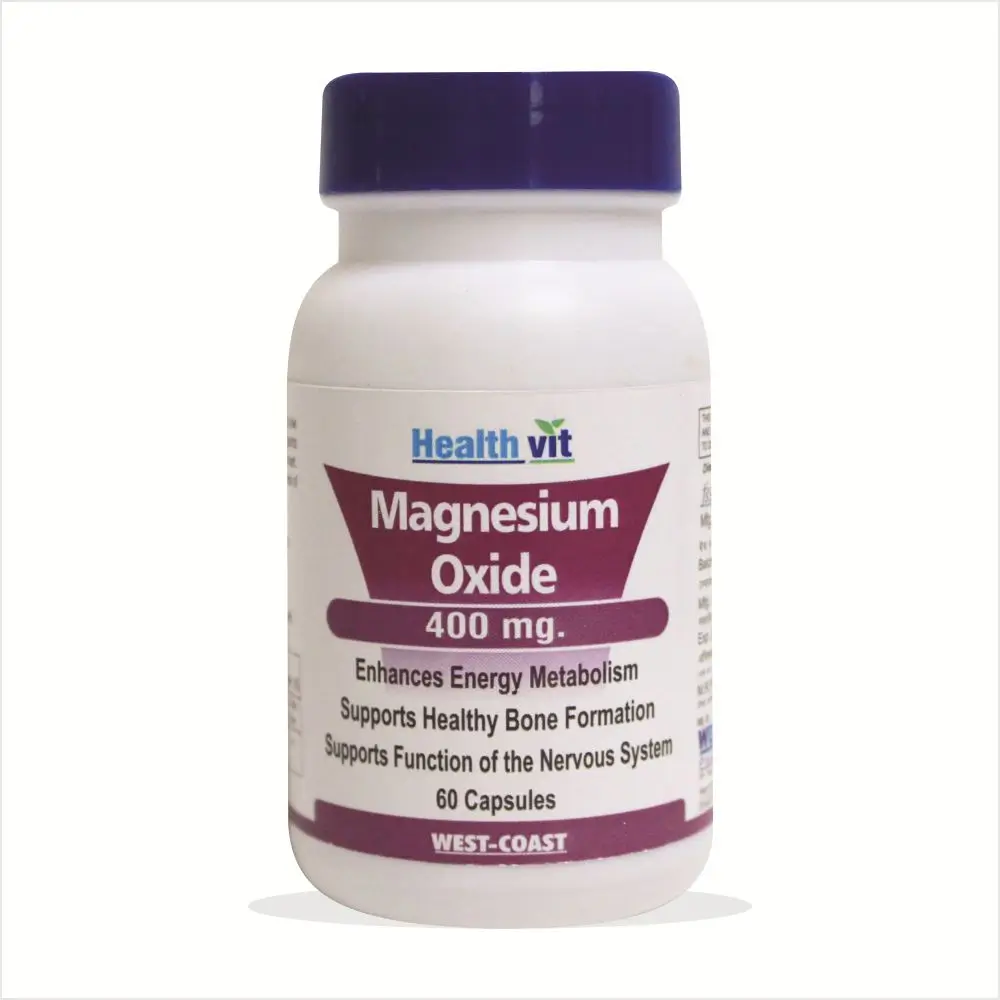
Magnesium Oxide
Previous product
Magnesium Glycinate 400mg
A$15.00 A$45.00Price range: A$15.00 through A$45.00
Next product
Malirid 7.5mg (Primaquine)
A$6.00 A$18.00Price range: A$6.00 through A$18.00
A$39.00 A$110.00Price range: A$39.00 through A$110.00
In Stock
In Stock
Magnesium Oxide
| Pack Size | Price | Quantity | Add To Cart | |
|---|---|---|---|---|
| 60 Tablet/s | A$39.00 | |||
| 120 Tablet/s | A$76.00 | |||
| 180 Tablet/s | A$110.00 | |||
| Want to order in bulk / B2B price? Send Inquiry | ||||
×
Sorry!! Out of Stock
Sorry! Magnesium Oxide is out of stock
Please click below to view other similar medications.
View All Magnesium Oxide Products
Offer You Can't Resist
Free Shipping
Enjoy Free Shipping on Orders above AUD304 (USD199)
Estimate Delivery :
20 October - 27 October
30
Excellent service overall
Smooth checkout, quick dispatch, and secure delivery. Excellent service overall
 Australia
October 1, 2026
Last Updated on April 20, 2026

Description
Magnesium Oxide: Essential Mineral Supplement for Health and Wellness
Magnesium is an essential mineral that plays an important function in a variety of chemical reactions within your body. It is involved in muscle function, nerve transmission, the production of energy, bone health, and many other functions. The most popular kinds of magnesium supplements include Magnesium Oxide, which is admired because of its significant concentration of magnesium and its cost-effectiveness.
In this article on this blog, we’ll cover all you need to be aware of concerning Magnesium Oxide, What it’s about what it is, how it operates, and what its benefits are, its uses, dosage recommendations, adverse consequences, and safety concerns.
What is Magnesium Oxide?
Magnesium Oxide (MgO) is an organic compound composed of oxygen and magnesium. It’s white powder, and is often consumed as a food supplement to boost magnesium levels within the body.
Magnesium oxide has around 60% of magnesium that is elemental, which makes it among the highest magnesium sources in terms of weight. It does not have the same bioavailability as different magnesium-based salts (like magnesium citrate or magnesium glycinate).
How Does Magnesium Oxide Work?
Magnesium plays a crucial role in numerous biochemical processes. These include:
- Muscle and nerve function: Magnesium regulates the contraction of muscles and neuro signal transmission.
- Energy production: It’s a key component in ATP Synthesis, which is your energy currency of the body.
- Bone health: Magnesium plays a role in the bone’s structure as well as calcium metabolism.
- Electrolyte balance: Magnesium is a mineral that helps regulate the flow of fluid within cells.
- Heart rhythm: It is a support for normal electrical function.
If taken in the form of a supplement, the magnesium oxide dissolves within the digestive tract, releasing magnesium ions, which can be absorbed by the bloodstream in order to help support these essential functions.
Common Uses of Magnesium Oxide
Magnesium Deficiency
Magnesium oxide is extensively employed to treat and treat magnesium deficiencies (hypomagnesemia) that could cause symptoms that include muscle cramps, weakness, tiredness, and an irregular heartbeat.
Constipation Relief
Because of its osmotic laxative effects, magnesium oxide helps draw fluid into the intestines, making stool more comfortable and encouraging stool movements. This is often utilized for temporary relief from constipation.
Heartburn and Indigestion
Magnesium oxide functions as an antacid by neutralizing stomach acid, which relieves acid reflux, heartburn, and stomach upset.
Migraine Prevention
A few studies indicate that supplementing magnesium may reduce the frequency and the severity of migraine attacks; however, more research is required.
Muscle Cramps and Spasms
Women who are pregnant and athletes often utilize magnesium oxide for the relief of spasms and muscle cramps.
Benefits of Magnesium Oxide
- Accessible and affordable
- Magnesium content that is high per dosage
- Multiple therapeutic uses (supplement, laxative, antacid)
- Supports overall health and wellness
Dosage and Administration
The dose is based on the desired use, the patient’s age, and the patient’s health status. Typical doses include:
- For magnesium supplementation: Adults can take between 250 and 400 mg of magnesium elemental. Because magnesium oxide comprises around 60% magnesium elemental, it is roughly 415-667 mg of magnesium oxide.
- For constipation: Doses range between 400 mg and 1,200 mg daily. They are split into three or two dosages.
- As an antacid: Usually, 400-800 mg is consumed as required.
Note: Follow your doctor’s prescriptions and specific instructions for your product.
Side Effects
Magnesium oxide is usually secure when utilized as directed; however, some adverse effects can occur:
Common Side Effects:
- Diarrhea (due to laxative effect)
- Abdominal cramping or discomfort
- Nausea
Rare/Serious Side Effects:
- Electrolyte imbalance (especially if taken in large amounts)
- Allergic reactions (rash, itching, swelling)
- Irregular heartbeat (in cases of overdose)
If you are experiencing extreme muscle weakness, diarrhea, or an irregular heartbeat, you should consult a doctor immediately.
Precautions and Contraindications
Before using magnesium oxide, talk to your physician if:
- Are suffering from kidney disease or have impaired kidney function (risk for magnesium accumulation)
- If you are pregnant or nursing (use only on medical advice)
- Are you suffering from heart blockage or any other heart problems
- Are you taking any other medication (e.g., diuretics, antibiotics) that could interact
Drug Interactions
Magnesium oxide can interact with:
- Antibiotics: Reduces the absorption of fluoroquinolones and tetracyclines.
- Bisphosphonates: Absorption may be reduced.
- Diuretics: Could alter the levels of magnesium.
- Muscle relaxants or blood pressure medications: Magnesium can enhance the effects.
Tell your doctor about any medications or supplements you are taking.
How to Take Magnesium Oxide
- Use water to drink.
- In case of constipation or the use of antacids It can be taken in combination with or without food.
- To supplement your diet, it’s recommended to take it with meals in order to lessen stomach discomfort.
- Beware of taking magnesium oxide when you are using other drugs close by to avoid interactions (ask your doctor for the time of day).
Storage
- Conserve magnesium oxide at ambient temperature.
- Avoid contact with moisture as well as direct sunlight.
- Be sure to keep away from young children.
Conclusion
Magnesium Oxide is an adaptable and potent mineral supplement. It is utilized to treat magnesium deficiencies, heartburn, constipation, and other health issues with health. Although it delivers a significant amount of magnesium in its elemental form, it’s more bioavailable than others, and therefore dosage must be adapted accordingly.
Like any supplement, medical guidance as well as adherence to the dosage, as well as monitoring for any negative effects, are crucial in order to maximise benefits and reduce the risk.
If you suspect you may have symptoms that are related to magnesium deficiencies, or you are suffering from acid reflux or constipation, consult your physician regarding whether magnesium oxide is an appropriate choice for you.
Additional Information
| Active Ingredient: | Magnesium Oxide |
|---|---|
| Indication: | Enhances Energy Metabolism |
| Manufacturer: | West Coast Pharma Ltd. |
| Strength: | 400mg |
| Packaging: | 60 Capsules in Bottle |
| Delivery Time: | 7 To 15 days |
Related products








Reviews
There are no reviews yet.