

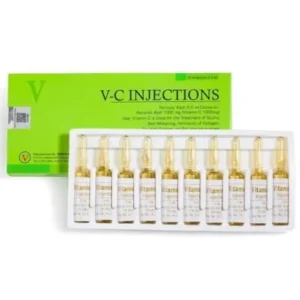
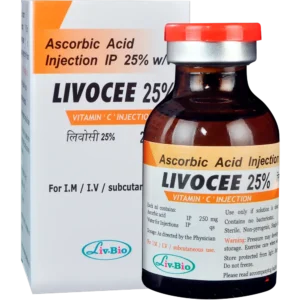
Vitamin C 150mg Inj (Ascorbic Acid)
Previous product

Ajanta ED Trial Pack
A$187.72 A$519.84Price range: A$187.72 through A$519.84
Next product
Lulifin Cream 10g (Luliconazole)
A$10.11 A$54.87Price range: A$10.11 through A$54.87
A$7.22 A$13.00Price range: A$7.22 through A$13.00
In Stock
In Stock
Vitamin C 150mg Inj (Ascorbic Acid)
| Pack Size | Price | Quantity | Add To Cart | |
|---|---|---|---|---|
| 10 Injection/s | A$7.22 | |||
| 20 Injection/s | A$13.00 | |||
| Want to order in bulk / B2B price? Send Inquiry | ||||
×
Sorry!! Out of Stock
Sorry! Vitamin C 150mg Inj (Ascorbic Acid) is out of stock
Please click below to view other similar medications.
View All Ascorbic Acid Products
Offer You Can't Resist
Free Shipping
Enjoy Free Shipping on Orders above AUD304 (USD199)
Estimate Delivery :
11 September - 18 September
34
Secure Packaging
My order was packaged carefully and arrived in good condition. The whole process was handled professionally, and communication was excellent. Thank you for the great service
 Australia
August 18, 2026
Last Updated on June 27, 2026

Description
Vitamin C 150mg Injection (Ascorbic Acid) – Product Overview
Active Ingredient: Ascorbic Acid (Vitamin C)
Strength: 150 mg per ml
Formulation: Injectable solution (ampoule or vial)
Route of Administration: Intravenous (IV) / Intramuscular (IM)
Introduction
Vitamin C 150mg injection, with ascorbic acid in it, which is an essential nutritional element that plays a vital role in many biological functions within our body. Being a water-soluble vitamin, Vitamin C plays an important function in supporting the immune system and antioxidant defense, collagen synthesis, healing of wounds, and the maintenance of connective tissue.
The injectable version of Vitamin C is particularly useful in situations where a rapid and consistent supply of vitamin C is necessary, like for cases of severe deficiency that are associated with impaired absorption or in situations where oral administration is not possible. The most common use of it is in clinics and hospitals to treat Vitamin C deficiency and related ailments.
What is Vitamin C (Ascorbic Acid)?
Vitamin C, also known as ascorbic acid, is an important vitamin humans have to get through diet and supplements since the body can’t make it. It’s a powerful antioxidant. This means it can help neutralize free radicals, thus shielding cells from damage due to oxidation.
Vitamin C is required to:
- Collagen synthesis: Essential for skin, cartilage, tendons, ligaments, and blood vessels.
- Immune function: Helps support various functions in the cellular part of the immune system. It also increases the activity of white blood cells.
- Absorption of iron: Enhances iron absorption through a non-heme plant-based diet.
- Wound healing: Improves the healing and repair of tissues.
- Neurotransmitter synthesis: Participates in the creation of neurotransmitters, such as norepinephrine.
Indications and Uses
Vitamin C 150mg Injection is indicated for:
- Treatment and prevention of Vitamin C deficiency: Including scurvy, characterized by fatigue, gum disease, bruising, and poor wound healing.
- Supportive therapy: Burns, infections, injuries, trauma, or surgical healing to boost immunity and improve tissue repair.
- Severe malnutrition or malabsorption: If oral intake is not sufficient or absorption is impaired.
- Certain chronic diseases: In cases where oxidative stress is high in chronic illnesses and cancer-related adjunct therapies, as well as some inflammation-related conditions.
- Shock or critical illness: A situation where increased Vitamin C demand is observed.
Mechanism of Action
Ascorbic acid is primarily an antioxidant. It scavenges reactive oxygen species (ROS) as well as protects cells from oxidative damage. It is also an important cofactor in a variety of enzymatic reactions, particularly those which are associated with collagen biosynthesis. Through maintaining collagen’s integrity, Vitamin C is able to maintain the strength and durability of connective tissue.
In addition, Vitamin C enhances immune protection by increasing the production and functioning of the white blood cells as well as antibodies. Additionally, it improves the absorption of iron in the diet essential for the production of hemoglobin and oxygen transportation.
Benefits of Vitamin C 150mg Injection
- Rapid replenishment: Injectable form ensures quick correction of Vitamin C deficiency.
- Enhanced bioavailability: It bypasses the gastrointestinal tract and is useful for malabsorption disorders.
- Supports immune health: Aids in reducing the severity and duration of infection.
- Promotes healing: Improves the healing process from injuries, burns, surgeries, and wounds.
- Antioxidant protection: Reducing oxidative stress during critical illnesses.
- Versatile use: It is suitable for many medical scenarios, such as emergency or chronic medical conditions.
Dosage and Administration
Vitamin C 150mg injections should be administered with medical supervision. The dose is based on the patient’s health, age, and the degree of the deficiency.
Typical Dosage Guidelines:
- Adults:
- For treatment of deficiency: From 150 mg to 500 mg daily. It can be administered either intramuscularly or via intravenous injection.
- If you are suffering from a critical illness or have conditions with high demand, doses can be increased according to the doctor’s discretion.
- Children:
- Dose is adjusted based on the weight of the patient and their clinical needs; typically 50 to 150 mg per day.
Administration:
- Intramuscular (IM) injection: Introduce slowly into muscles, with a preference for the gluteal or deltoid region.
- Intravenous (IV) injection or infusion: Dose is diluted with a sufficient amount of sterile or saline water every 10-30 mins in order to minimize irritation of the vein.
- Use aseptic methods to avoid infection.
Precautions and Warnings
- Hypersensitivity: Avoid using if you are sensitive to ascorbic acid or other components of the formula.
- Renal impairment: Be cautious when dealing with kidney issues due to the possibility of the formation of oxalate stones.
- G6PD deficiency: Vitamin C causes hemolysis in people suffering from glucose-6-phosphate dehydrogenase deficiencies.
- High doses: Doses that are too high can result in gastrointestinal problems, kidney stones, or hemolysis.
- Pregnancy and breastfeeding: Most commonly considered being safe, however, it must be taken with medical supervision.
- Interactions: Can interact with some drugs, including statins, chemotherapy agents, and anticoagulants. Always inform your doctor of any medication.
Side Effects
Vitamin C 150mg Injection is generally easily tolerated. Possible side effects are:
- Mild pain or irritation at the injection site
- Allergic reactions (rare), such as rash, itching, or swelling
- The stomach may become upset when given in large dosages
- The risk of developing kidney stones is increased with the use of a prolonged, high-dose regimen
Get medical help if indications of a severe allergic reaction or symptoms that are unusual are observed.
Storage Instructions
- Keep the vial for injection and ampoule within a dark, dry area, away from direct sunlight.
- Maintain a temperature of 25°C (77°F).
- Don’t freeze.
- Be sure to keep away from young children.
- Utilize immediately following the opening in order to keep out the spread of.
Frequently Asked Questions (FAQs)
Q1: Why is injectable Vitamin C preferred over oral in some cases?
A: The injection process allows faster and more stable absorption, especially in cases where oral intake is not feasible or absorption has been impaired.
Q2: Can Vitamin C injection be self-administered?
A: No, The medication should be handled by a medical expert to ensure the safety of patients and the correct dosage.
Q3: How quickly will I see benefits after Vitamin C injection?
A: The signs of deficiency could get better within days. Complete recovery is contingent on how severe and long the deficiency has been present.
Q4: Is it safe to use Vitamin C injections during pregnancy?
A: The majority of people are safe, but it is recommended to be taken only under the supervision of a medical professional.
Q5: Can high doses of Vitamin C be harmful?
A: Yes, Absolutely, overdoses could produce side effects, such as hemolysis or kidney stones, for some people.
Conclusion
Vitamin C 150mg Injection (Ascorbic Acid) is an essential alternative to treat Vitamin C deficiencies and promote general health and wellbeing in many diseases. Its quick action, increased bioavailability, and vital function in supporting the immune system and tissue healing make it a must-have in modern treatment.
If used in a responsible manner with medical supervision, Vitamin C injections can dramatically improve the outcomes of patients, specifically in cases that require immediate nutrition support.
Additional Information
| Manufacturer | Mankind Pharma |
|---|---|
| Pharmaceutical | Injection/s |
| Strength | 50 ml |
| Pack Size | 10 Injection/s, 20 Injection/s |
Related products



Reviews
There are no reviews yet.