
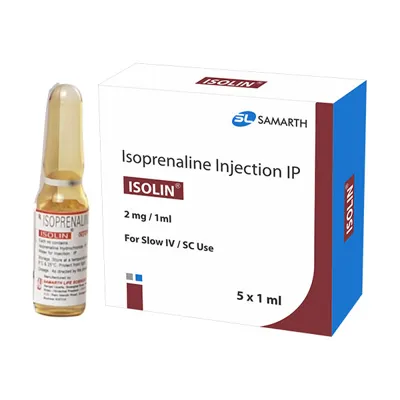
Isolin 2mg Injection (Isoprenaline)
Previous product

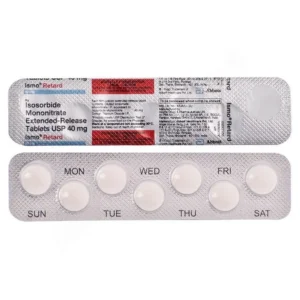
Ismo Retard 40mg (Isosorbide Mononitrate)
A$34.00 A$82.00Price range: A$34.00 through A$82.00
Next product
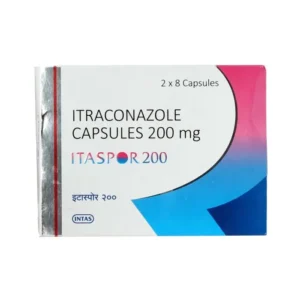
Itaspor 200mg (Itraconazole)
A$87.00 A$196.00Price range: A$87.00 through A$196.00
A$25.50 A$148.72Price range: A$25.50 through A$148.72
In Stock
In Stock
Isolin 2mg Injection (Isoprenaline)
| Pack Size | Price | Quantity | Add To Cart | |
|---|---|---|---|---|
| 5 Ampoule/s | A$25.50 | |||
| 10 Ampoule/s | A$45.90 | |||
| 20 Ampoule/s | A$82.62 | |||
| 40 Ampoule/s | A$148.72 | |||
| Want to order in bulk / B2B price? Send Inquiry | ||||
×
Sorry!! Out of Stock
Sorry! Isolin 2mg Injection (Isoprenaline) is out of stock
Please click below to view other similar medications.
View All Isoprenaline Products
Offer You Can't Resist
Free Shipping
Enjoy Free Shipping on Orders above AUD304 (USD199)
Estimate Delivery :
19 October - 26 October
34
Excellent service overall
Smooth checkout, quick dispatch, and secure delivery. Excellent service overall
 Australia
October 1, 2026
Last Updated on April 13, 2026

Description
Isolin 2mg Injection (Isoprenaline): Comprehensive Overview
Generic Name: Isoprenaline (also known as Isoproterenol)
Brand Name: Isolin 2 mg Injection
Drug Class: Beta-Adrenergic Agonist
(Specifically, a non-selective beta-agonist)
Formulation: Injection – 2 mg per ampoule, typically diluted for intravenous use.
What is Isoprenaline (Isopropterenol)?
Isoprenaline is synthesized catecholamine as well as a powerful beta-adrenergic agonist that is not selective, which means it activates both the β1 receptor and the β2 one:
- β1 stimulation: It increases the heart speed (positive chronotropy), contractility (positive inotropy), and the output of the heart.
- β2 stimulation: The cause is vasodilation and bronchodilation.
As a result of these benefits, the drug is often employed in emergencies and in some specific cardiac situations.
Indications (Uses)
Isoprenaline is a drug used in the treatment of bradyarrhythmias and various other conditions of the cardiovascular system. It is commonly used to treat:
- Bradycardia (slow heart rate) is insensitive to atropine
- Block of the heart (especially Mobitz type II or third-degree AV block, as an interim option)
- Cardiac arrest (as adjunctive therapy)
- Torsades de Pointes (Increases heart rate, which helps to reduce arrhythmias)
- Stokes-Adams syndrome
- Sometimes, it is used to treat beta-blocker excess (off-label)
- Very rarely, it’s used it is used as it’s a bronchodilator, although it’s mostly ineffective because of more well-tolerated agents
Mechanism of Action
Isoprenaline acts by activating the β-adrenergic receptors.:
- β1 (heart):
- Increases heart rate (chronotropic effect)
- Increases myocardial contractility (inotropic effect)
- Improves AV conduction (dromotropic effect)
- β2 (lungs, vasculature):
- Relaxes bronchial smooth muscle (bronchodilation)
- Vasodilation in skeletal muscle and other vascular beds
The actions boost cardiac output and heart rate, which is the reason it’s beneficial for emergency bradycardia as well as heart block scenarios.
Dosage and Administration
Route:
- IV infusion is the preferred method for titration that is controlled titration.
- It is possible to give an infusion bolus for certain situations; however, infusion provides more control over effects.
Typical Dosage (Adults):
- IV infusion: Begin at 0.01 up to 0.02 mg/kg/min. Then, adjust the dosage based on the response.
- The dose can be increased as high as 0.2 mcg/kg/min in certain cases.
Pediatric Dosing:
- Similar to the principles above, but it is important to use a weight-based dosage and follow by following pediatric-specific guidelines.
Dilution:
Isoprenaline is usually diluted with the dextrose solution to 5% or normal Saline before administration.
Monitoring:
- Continuous ECG monitoring required
- Keep track of your blood pressure, heart rate, and the rhythm
- Check for any signs of arrhythmias or ischemia
Pharmacokinetics
- Onset: Rapid (within minutes IV)
- Duration: The effects are brief; they subside rapidly after the infusion ceases.
- Metabolism: It is quickly metabolized by the liver and in other tissues through COMT
- Half-life: ~2–5 minutes
- Excretion: Renal (as metabolites)
Because of its brief time-to-effect, Infusions that continue continuously allow quick titration as well as the termination of the effects.
Side Effects
Due to its high beta-adrenergic action, Isoprenaline may result in a number of side effects:
Common Side Effects:
- Palpitations
- Tachycardia
- Headache
- Nervousness or anxiety
- Flushing
Serious Side Effects:
- Arrhythmias (ventricular tachycardia/fibrillation)
- Hypotension (due to β2-mediated vasodilation)
- Angina or myocardial ischemia (Due to an increase in demand for oxygen)
- Hypokalemia (Secondary to stimulation by β2, which drives potassium into cells)
Overdose Symptoms:
- Excessive tachycardia
- Severe hypotension
- Ventricular arrhythmias
- Cardiac ischemia
The treatment includes cutting off the infusion or treatment, as well as supportive care and possibly making use of beta-blockers when arrhythmias pose a risk to life, and no contraindications exist.
Contraindications
Isoprenaline is contraindicated in:
- Tachyarrhythmias (e.g., atrial fibrillation/flutter with high ventricular response)
- Digitalis toxicity-induced arrhythmias
- Angina pectoris (may worsen ischemia)
- Hypersensitivity to the drug or its components
Caution is advised in patients with:
- Ischemic heart disease
- Hypertension
- Diabetes mellitus
- Hyperthyroidism
Drug Interactions
- Beta-blockers: Reduce the negative effects of Isoprenaline
- MAO inhibitors or tricyclic antidepressants: Could improve cardiovascular health
- General anesthetics (like halothane): The risk for arrhythmias
- Other sympathomimetics: Risk of adverse side effects, particularly heart
Make sure you review the complete medical history prior to starting therapy.
Use in Special Populations
Pregnancy and Lactation:
- Only use if necessary; data from animals restricted
- Humans have not been subjected to well-controlled research studies.
Pediatrics:
- Take care, and dosage should be adjusted according to the weight of the patient.
Elderly:
- Risk of cardiovascular adverse incidents
- Close monitoring is essential
Storage and Handling
- Keep the product at room temperature (usually between 15–25°C)
- Guard yourself against extreme heat and light
- When the bottle is opened, or it has been diluted the product, you must use it within a certain duration as per the institutional guidelines
Summary of Key Points
| Feature | Details |
| Drug Name | Isoprenaline (Isopropterenol) |
| Brand | Isolin 2 mg Injection |
| Class | Beta-adrenergic agonist |
| Main Uses | Bradycardia, heart block, Torsades |
| Route | IV infusion or bolus |
| Common Side Effects | Tachycardia, headache, flushing |
| Serious Risks | Arrhythmias, ischemia, hypotension |
| Monitoring | ECG, blood pressure, electrolytes |
Conclusion
Isolin 2 mg Injection (Isoprenaline) is a powerful sympathomimetic that is used in both emergency as well as critical care settings to combat potentially life-threatening bradyarrhythmias as well as other abnormalities in conduction. Its quick start, short duration of action, and high beta-receptor activity make it efficient, but also extremely risky if it is not properly observed.
Because of its serious adverse cardiovascular consequences, the use of Isoprenaline must be used only in settings that require the monitoring of cardiac function (e.g., ICU or emergency department) and should be done under the direction of a certified health professional.
Additional Information
| Active Ingredient: | Isoprenaline |
|---|---|
| Indication: | Treatment of Bradycardia |
| Manufacturer: | Samarth Life Sciences Pvt. Ltd. |
| Strength: | 2mg |
| Packaging: | 5 Ampoules in Pack |
| Delivery Time: | 7 To 15 days |
Related products

Reviews
There are no reviews yet.