
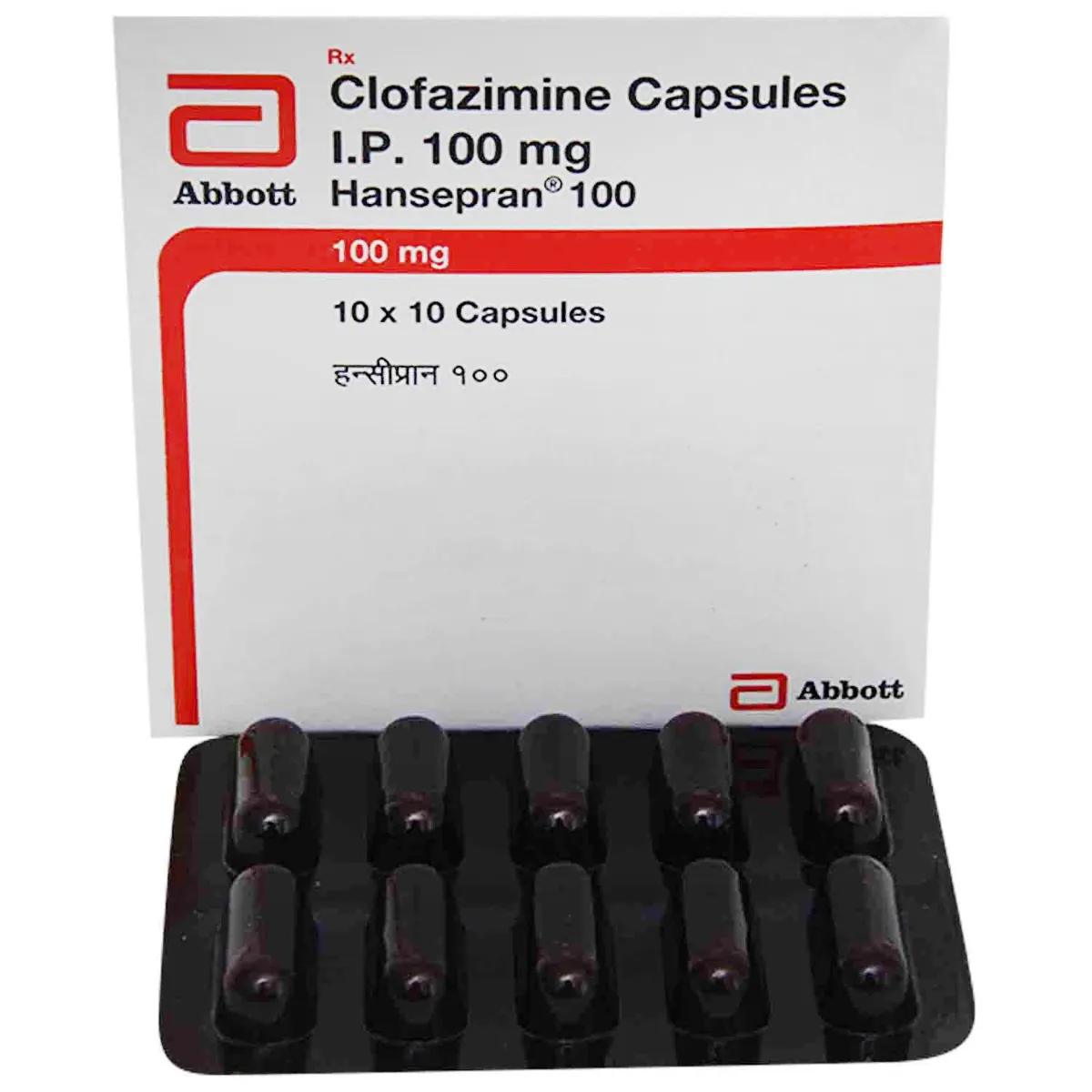
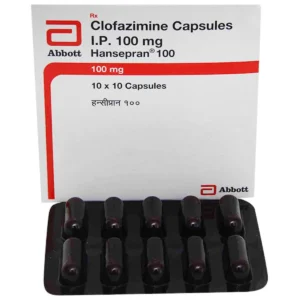
Hansepran 100mg (Clofazimine)
Previous product
Xylocaine 30ml Injection (Lidocaine)
A$86.64 A$158.84Price range: A$86.64 through A$158.84
Next product

Hansepran 50mg (Clofazimine)
A$28.88 A$57.76Price range: A$28.88 through A$57.76
A$43.32 A$115.52Price range: A$43.32 through A$115.52
In Stock
In Stock
Hansepran 100mg (Clofazimine)
| Pack Size | Price | Quantity | Add To Cart | |
|---|---|---|---|---|
| 60 Capsule/s | A$43.32 | |||
| 120 Capsule/s | A$79.42 | |||
| 180 Capsule/s | A$115.52 | |||
| Want to order in bulk / B2B price? Send Inquiry | ||||
×
Sorry!! Out of Stock
Sorry! Hansepran 100mg (Clofazimine) is out of stock
Please click below to view other similar medications.
View All Clofazimine Products
Offer You Can't Resist
Free Shipping
Enjoy Free Shipping on Orders above AUD304 (USD199)
Estimate Shipping :
03 September - 10 September
26
Last Updated on March 30, 2026

Description
Uses, Benefits, and Safety Information
Hansepran 100mg is a trademark term used to describe the medication Clofazimine is a vital drug used for the management of leprosy (Hansen’s disease) and certain other mycobacterial diseases. Clofazimine is a standout in the treatment of infections because of its anti-inflammatory and bacteriostatic effects.
This blog entry will go over the essential information you should learn about Hansepran (Clofazimine), what it does in treating various conditions, dose guidelines, possible side effects, as well as safety measures.
What is Hansepran (Clofazimine)?
Hansepran is a drug preparation that contains Clofazimine, an antimicrobial drug that falls under the category of dyes containing phenazine. It was first developed as an anti-leprosy medication; however, it has been proven useful in various other diseases that involve mycobacteria, like tuberculosis, which is resistant to multiple drugs in some instances.
Clofazimine does not work only by eliminating bacteria, but also by suppressing inflammation. This can be extremely beneficial in the treatment of leprosy, an illness that is caused by the presence of a bacterial infection, as well as an immune system reaction.
How Does Clofazimine Work?
Clofazimine functions by binding to the DNA of Mycobacterium leprae (the bacteria responsible for leprosy) as well as interfering with the replication of bacteria. Also, it produces reactive oxygen species in the bacterial cell, which leads to the death of cells.
Furthermore, Clofazimine has anti-inflammatory properties that help reduce irritation of the skin and nerves that is associated with leprosy. This double action results in Hansepran being very effective for killing bacteria and combating symptoms.
Clinical Uses of Hansepran 100mg
-
Leprosy Treatment
Hansepran is one of the mainstays in the multidrug therapy (MDT) regimen recommended by the World Health Organization for leprosy. The drug is often employed in conjunction with other medicines like Rifampicin or dapsone to decrease the possibility of resistance and increase the efficiency of treatment.
-
Mycobacterial Infections
In certain instances, Clofazimine is also prescribed off-label to treat multidrug-resistant tuberculosis (MDR-TB) or other complicated mycobacterial infections. Usually, this is done when used in conjunction with second-line antibiotics.
-
Anti-Inflammatory Use
Through its immunomodulatory properties, Clofazimine can help in controlling the inflammation experienced by patients suffering from leprosy, like the erythema nodosum lesprosum (ENL).
Dosage and Administration
Hansepran 100mg tablets are consumed in a pill form, generally along with food in order to enhance digestion and ease discomfort.
Typical Dosage for Leprosy:
- Adults: 100 mg per day, or 300 mg 3 times every week.
- The time frame for treatment could be different, but usually lasts for six months up to a year or longer, depending upon the extent and nature of leprosy.
For Other Conditions:
Dosage can be altered based on the doctor’s recommendation.
It’s essential to adhere to the regimen prescribed, because an incomplete treatment could cause the development of resistance to medication or even the possibility of relapse.
Side Effects of Hansepran (Clofazimine)
Although generally tolerated, Clofazimine has the potential to cause numerous negative effects that range from moderate to extreme.
Common Side Effects:
- Skin Discoloration: One of the most prominent adverse effects of the treatment is a reddish brown or black tinge of the skin. It can develop over time and persist for months after discontinuing treatment.
- Gastrointestinal issues: Abdominal pain, diarrhea, nausea, and vomiting.
- Dry skin or itching
Less Common but Serious Side Effects:
- Eye problems: Blurred vision or irritation.
- Liver dysfunction: The liver enzymes are elevated in a few instances.
- Gastrointestinal obstruction: Infrequent instances of crystals forming in the intestine leading to obstruction.
- Allergic reactions: Rash, itching, or swelling.
Since skin discoloration is painful, patients are frequently advised about the possibility of this side effect before beginning treatments.
Precautions and Warnings
Before starting Hansepran, Patients should talk to their doctor concerning:
- Anyone with evidence of liver illness or liver dysfunction that is abnormal.
- Allergies to Clofazimine or other related medications.
- The status of breastfeeding and pregnancy (Clofazimine is generally avoidable during pregnancy unless required).
- Additional medications are being used to prevent possible interactions with other drugs.
Monitoring:
Regular monitoring of liver function tests, as well as the overall health status, is suggested during long-term treatment.
Drug Interactions
Hansepran can be a drug that interacts with other medicines and could alter their effectiveness or cause more risk of adverse consequences. A few interactions that you should be aware of are:
- Rifampicin: In conjunction with leprosy treatment, however, it can affect the metabolism of drugs.
- Other antimycobacterial drugs: Close supervision is essential.
- Drugs metabolized by the liver: Since Clofazimine can influence the liver’s enzymes, it may alter the concentrations of other substances made in the liver.
Make sure you inform your physician regarding any medications and supplements or supplements you take.
Storage and Handling
Hansepran tablets must be kept in a dry and cool location, far from the direct sun and water. Make sure the medicine is far from the reach of young children.
What to Do If You Miss a Dose?
If you are unable to remember taking a dose of Hansepran, you should make sure to take it as soon as you can remember, unless it’s nearing the time to take the next dose. Don’t double your dose to cover the dose you missed. It is essential to be consistent in your treatment of antimicrobials to avoid resistance.
Frequently Asked Questions (FAQs)
Can Hansepran cure leprosy?
Yes, if utilized as a component of a multidrug treatment under supervision from a physician, Clofazimine is effective in the treatment of leprosy as well as in preventing the spread of leprosy.
Is skin discoloration permanent?
No, the pigmentation typically diminishes over the course of several months or years following stopping treatment; however, it may be permanent.
Can Hansepran be used during pregnancy?
The most common reason for not using it is if you are sure that the benefits exceed the risks. Make sure to consult with a physician prior to taking.
How long does the treatment last?
The duration of treatment varies based on the leprosy type and the severity. It typically varies from six months to one year or more.
Conclusion
Hansepran 100mg (Clofazimine) remains an essential medication in fighting leprosy, as well as various mycobacterial diseases. Its dual action–antimicrobial and anti-inflammatory–makes it uniquely effective for this purpose. Although side effects like the appearance of skin discolorations are not uncommon but they’re generally not detrimental and often get better after the treatment has ended.
Related products







Recently Viewed

Reviews
There are no reviews yet.