
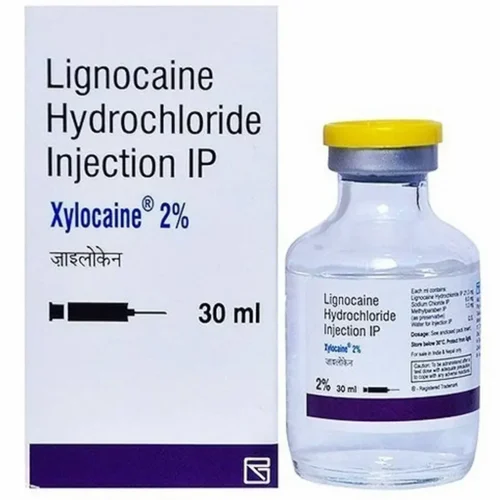
Xylocaine 30ml Injection (Lidocaine)
Previous product

Dologel Gel 15g (Choline Salicylate/Lidocaine)
$15.00 $54.00Price range: $15.00 through $54.00
Next product
Hansepran 100mg (Clofazimine)
$30.00 $80.00Price range: $30.00 through $80.00
$60.00 $110.00Price range: $60.00 through $110.00
In Stock
In Stock
Xylocaine 30ml Injection (Lidocaine)
| Pack Size | Price | Quantity | Add To Cart | |
|---|---|---|---|---|
| 6 injection/s | $60.00 | |||
| 9 injection/s | $85.00 | |||
| 12 injection/s | $110.00 | |||
| Want to order in bulk / B2B price? Send Inquiry | ||||
×
Sorry!! Out of Stock
Sorry! Xylocaine 30ml Injection (Lidocaine) is out of stock
Please click below to view other similar medications.
View All Lidocaine Products

Offer You Can't Resist
Free Shipping
Enjoy Free Shipping on Orders above AUD304 (USD199)
Estimate Delivery :
20 October - 27 October
42
Excellent service overall
Smooth checkout, quick dispatch, and secure delivery. Excellent service overall
 Australia
October 1, 2026
Last Updated on June 29, 2026

Description
Product Overview
Xylocaine Injection is a drug that contains Lidocaine Hydrochloride, a widely used local anesthetic that provides quick and effective numbness of the targeted area during medical or dental procedures. It is available in a 30ml bottle. Xylocaine offers healthcare professionals the most reliable anesthetic to treat injections, nerve blocks, epidurals, spinal anesthesia, as well as the topical application of anesthesia.
Lidocaine is a drug that temporarily blocks neurotransmitters in the body. This allows treatments that are painless and without losing consciousness. Its rapid onset and short length of time to effect make it the most commonly used drug in clinical environments across the globe.
Active Ingredient
- Lidocaine Hydrochloride – generally available in typically available as 1%, 2% or any other concentration based on the formulation.
Note: Check the concentration exactly as stated on the packaging.
Mechanism of Action
Lidocaine is a local anesthetic that helps to stabilize the neuronal membrane by blocking the ionic flow that is required for the conduction and initiation of nerve signals. Particularly, it blocks sodium channels with voltage that regulate the neuronal membrane. This blocks the spread of action potentials, which causes an irreparable loss of sensation in the region targeted.
Indications
Xylocaine Injection is indicated for:
- Anesthesia with local infiltration for dental, minor surgery, or diagnostic procedures.
- Regional nerve blocks are used to inject anesthesia into specific areas of the nerve.
- Anesthesia for spinal or epidural injections during surgical or obstetric interventions.
- A topical anesthesia to the mucous membranes for pain relief or to alleviate discomfort.
- Treatment of arrhythmias in the ventricular region (in certain formulations, under the supervision of a medical professional).
Dosage and Administration
- Dosage varies based on the procedure and the patient’s age, weight, and general health.
- The treatment is administered by trained health specialists via injections into or around the nerve region.
- The doses for adults can range from 1 to 5 mg/kg. However, they should not exceed the recommended maximum dose (usually approximately 300 mg in a single dose, without adrenaline).
- If combined with adrenaline (epinephrine), higher doses are possible because vasoconstriction reduces body absorption.
- Make sure to aspirate before injections in order to minimize the intravascular injection.
- Be sure to monitor patients for indications of toxicity, particularly in high doses and repeated doses.
Onset and Duration
- The onset of anesthesia typically occurs between 1 and 5 minutes.
- The time of effect varies between 30 and 90 minutes based on the dosage and the location of the dosage.
- The addition of adrenaline extends the effects of anesthetics by decreasing blood flow to the area.
Contraindications
- There is a known hypersensitivity reaction to lidocaine or other local anesthetics of the amide type.
- Severe heart block or any other heart conduction problems with no pacemaker support.
- Intravascular injections are recommended due to the possibility of systemic toxicities.
- Beware of patients suffering from impaired liver function, as lidocaine can be processed in the liver.
Warnings and Precautions
- Take care when using this medication in patients with an underlying cardiovascular condition, impaired liver function, or seizures.
- Check for signs of systemic toxicity, for example, CNS impacts (dizziness, seizures, and tinnitus) or cardiac consequences (bradycardia and hypotension).
- Do not overdose or give intravenous injections.
- Careful use in older or disabled patients.
- Always have equipment for resuscitation and medicines ready to be administered.
Side Effects
Common side effects:
- Mild local irritation or pain at injection site.
- Transient numbness or tingling.
- Dizziness, lightheadedness.
Serious but rare side effects:
- Central nervous system toxicity: tremors, seizures, loss of consciousness.
- Cardiovascular toxicity: hypotension, arrhythmias, cardiac arrest.
- Allergic reactions: rash, itching, anaphylaxis (rare).
- Methemoglobinemia (extremely rare).
Drug Interactions
- A variety of local anesthetics, antiarrhythmics, or other medications can enhance the effects of lidocaine.
- Beta-blockers could reduce the metabolism of lidocaine by increasing levels in plasma.
- Cimetidine, along with other CYP450 inhibitors, can increase the systemic levels of lidocaine.
- Use in conjunction with other drugs that decrease seizure thresholds must be carefully monitored.
Storage Instructions
- Keep Xylocaine injection in a dry, cool location, away from sunlight.
- Close the container tightly when not in use.
- Don’t freeze.
- Make use of it immediately following the closing.
- Be sure to keep away from children.
Packaging
- Xylocaine Injection comes with sterile glass vials of 30ml.
- The drug is available in a variety of concentrations and dosages (with or without adrenaline).
Administration Tips
- Check the identity of the patient, and go over the medical history before use.
- Make use of aseptic practices to reduce the spread of disease.
- Be sure to label the dosage correctly and make the calculation.
- Get rid of needles that are no longer in use and vials in a safe manner, following the medical waste protocol.
Frequently Asked Questions (FAQs)
How fast does Xylocaine work?
The effects typically begin after one to five minutes of injecting.
Can Xylocaine be used in children?
Yes, absolutely, however, dosage needs to be determined with care, in accordance with weight and necessity.
What should I do if I suspect an allergic reaction?
Do not stop the administration and immediately get medical attention in an emergency.
Is Xylocaine safe during pregnancy?
The medication should be taken with caution and only when necessary. Consult a healthcare provider.
Can I use Xylocaine with adrenaline?
Yes, Absolutely. However, only products that contain adrenaline are recommended under the supervision of a medical professional.
Conclusion
Xylocaine 30ml Injection (Lidocaine) is a flexible, quick-acting local anesthetic, which is crucial for the control of pain during a variety of dental and medical procedures. The well-established safety profile, as well as efficiency, makes it an essential part of medical practice. The proper dosage and adherence to dosage guidelines guarantee optimal patient outcomes while minimizing the risk.
Disclaimer: This information is to be used by healthcare professionals for to be used for educational purposes only. Always adhere to the protocols of your institution and refer to relevant guidelines for medical care before using.
Related products





Reviews
There are no reviews yet.