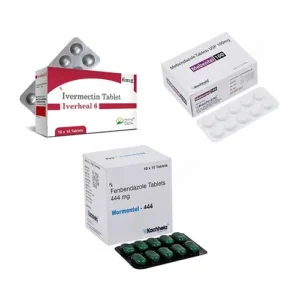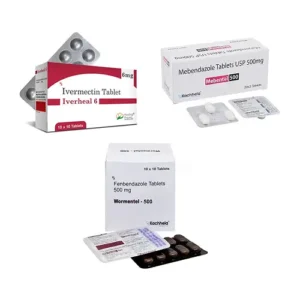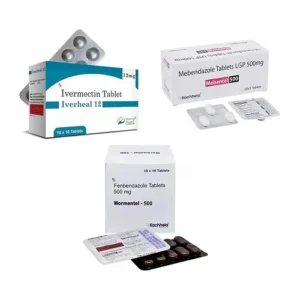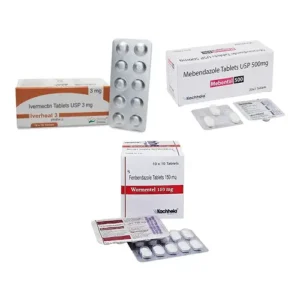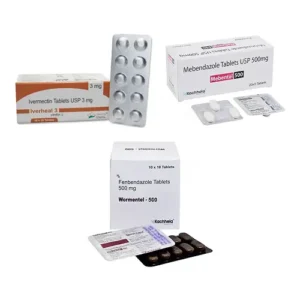
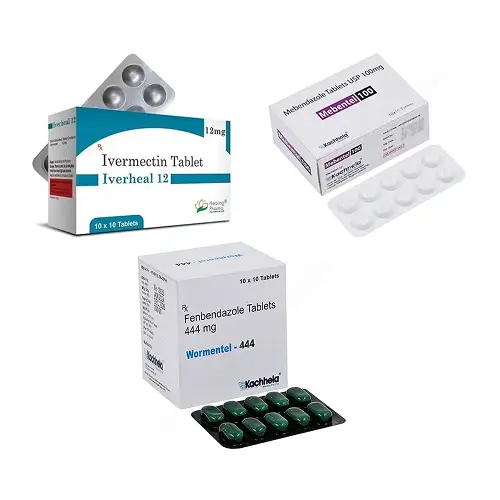
Recent years have seen the introduction of antibiotics that fight parasites like Mebendazole, Fenbendazole, and Ivermectin, which are gaining attention not only within the field of veterinary medicine, but also in the human health field. They are mainly renowned due to their effectiveness in fighting parasite diseases. In this blog, we will look at the interaction between Fenbendazole 444 mg, Mebendazole 100 mg, and Ivermectin 12 mg. It will concentrate on their benefits for therapeutic use, as well as their security profiles.
What are Fenbendazole, Mebendazole, and Ivermectin?
Fenbendazole 444 mg
Fenbendazole is an anthelmintic with a broad spectrum, frequently used to treat intestinal parasites of animals, particularly horses, dogs, cats, and cattle. It’s part of the class of benzimidazole, and is effective in preventing the growth of microtubules within parasite cells. This results in the death of parasite cells.
The dose of 444 mg is typically the quantity of tablets or the dose format that is used in the field of veterinary medicine. It targets a variety of intestinal worms, including whipworms, roundworms, hookworms, and a few types of tapeworms.
Mebendazole 100 mg
Mebendazole is a different benzimidazole antihelmintic that is widely used by animals and humans to treat helminth infection. It is similar in its mode of action to fenbendazole. It works by inhibiting the microtubule functions of parasites. Mebendazole 100mg is the most common tablet strength that is used by humans. It is a treatment for intestinal nematodes like roundworms, pinworms, and hookworms.
Ivermectin 12 mg
Ivermectin is part of the avermectin family. It is an extremely potent antiparasitic utilized by both humans and animals. It acts by binding to glutamate-gated chloride pathways that are present in parasites. It causes the paralysis of the parasite and ultimately death. Ivermectin can be effective against many parasites, such as those that cause the condition known as onchocerciasis (river blindness) as well as strongyloidiasis. other external parasites such as lice and mites.
The dosage of 12 mg is the standard strength tablet for human beings, and is used in large-scale drug administration programs within endemic regions.
Why Combine These Three Medications?
Although Fenbendazole, Mebendazole, and Ivermectin are all effective in their own right, there could be advantages to using them in combinations:
- Broad Spectrum of Activity: Every drug is targeted at slightly distinct living stages or parasites; therefore, combining them may aid in achieving a greater treatment against parasites.
- Reduced Resistance Risk: The parasites could be resistant to medication as time passes. Making use of multiple medicines with various mechanisms of action can help to reduce the risk.
- Synergistic Effects: A few studies have suggested that the combination of the antiparasitic and anti-microbial agents can increase efficacy, although the clinical evidence isn’t unanimous.
- Convenience: In the case of certain mixed or complex diseases, a combination strategy can make treatment more efficient.
Common Uses of the Combination
Veterinary Medicine
In animal species, the application of Mebendazole, Fenbendazole, Ivermectin, and Fenbendazole is often used to treat severe or mixed parasitic burdens, especially for livestock and companion animals exposed to multiple parasites.
Human Medicine
The triple combo isn’t an established human treatment plan; however, all three drugs are widely employed in isolation for intestinal parasites, as well as some other diseases. In certain off-label and experimental situations, the combination may be considered in the case of more complex infections. However, it is always done so under careful medical supervision.
How Do These Drugs Work Together?
- Fenbendazole and Mebendazole: Both block parasite microtubule formation; however, they differ in distribution and absorption profiles.
- Ivermectin: Differently, it affects chloride channels that are present in nerves and muscle cells of parasites, which causes paralysis.
This mechanism complements the other one and can target parasites with greater effectiveness, particularly those that are resistant to one agent.
Safety and Side Effects
Fenbendazole
It is generally well-tolerated by animals, with the side effects being uncommon and relatively minor, for example, an occasional gastrointestinal discomfort. Fenbendazole has not been prescribed widely for humans, and it is not backed by vast human safety information.
Mebendazole
Humans, Typical side effects are stomach pain, diarrhea, and nausea. It’s to be safe for use in short-term doses, but must be handled with care during pregnancy.
Ivermectin
Some of the side effects a result dizziness, stomach upsets, dizziness, and occasionally, neurologic side effects. This medication should be utilized at a moderate dose in patients suffering from particular conditions. It is not recommended for certain conditions, including for children weighing less than 15 kilograms or women who are pregnant.
Combination Use
The combination of these drugs makes it more important to have medical supervision to check the interaction between drugs, additive toxicity, and individual tolerance.
Important Considerations
- Prescription Only: The use of these medications is only taken under veterinary or medical guidelines.
- Dosage: The dose regimen varies based upon the kind of infection the type of infection, the parasite burden, patient weight, and species.
- Resistance: The misuse or overuse of antiparasitic medications may result in resistance.
- Monitoring: To ensure safety and effectiveness, it is important to monitor patients regularly during their treatment.
FAQ: Fenbendazole 444 + Mebendazole 100 + Ivermectin 12
Can humans safely take this combination?
Individually, Mebendazole is approved under prescription for use in humans. Fenbendazole was developed primarily for veterinary use, but it has also been tested in certain experimental settings. Only under medical supervision should the combination be administered to humans.
What parasites does this combination target?
This combination is effective against a wide range of parasites in the intestine, including pinworms and roundworms. It also covers external parasites such as mites (Ivermectin).
Are there any drug interactions I should be aware of?
Other medications that affect liver enzymes and central nervous system functions may also interact with each other. Tell your doctor about all your medications.
What are the common side effects of these medications?
Some side effects include nausea, vomiting, abdominal pain, dizziness, and rash. The most severe side effects, while rare, require urgent medical attention.
Can pregnant or breastfeeding women take these drugs?
Mebendazole or Ivermectin can be taken during pregnancy, breastfeeding, and only when clearly necessary. Fenbendazole should not be used during pregnancy.
How long is the treatment course?
The duration of treatment depends on both the type and severity of infection. The common regimens can range from one dose up to several weeks or days of treatment.
Is it possible to develop resistance to these drugs?
Yes, Overuse and misuse can cause parasite resistance. You should always follow the prescribed dosage and duration of treatment.
Can these medications be used for COVID-19 or cancer treatment?
Fenbendazole, Ivermectin, and Cancer have been studied in anecdotal reports and experimental trials. However, there are no clinical studies that support their use.
Where can I obtain these medications?
Mebendazole, Ivermectin, and other medications are only available on prescription. Fenbendazole, which is usually a veterinary drug and needs a prescription from a veterinarian for use on animals, can be purchased in pharmacies.
Should I combine these drugs myself for parasite infections?
No. Combining antiparasitic drugs without consulting a doctor can be both dangerous and ineffective. Always consult a healthcare professional.
Conclusion
Fenbendazole 444 mg, Mebendazole 100 mg, and Ivermectin 12 mg each of which has its own unique advantages, are all powerful antiparasitic drugs. Combining these three drugs can provide broad-spectrum parasite control in many situations, including veterinary practices. In humans, however, these drugs should only be administered under the supervision of a physician due to possible side effects or drug interactions. To ensure safe and effective treatment, it is important to have a proper diagnosis, use the appropriate dosage, and monitor your progress.