
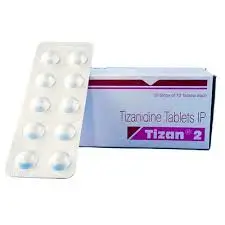
Tizan 2mg (Tizanidine)
Previous product
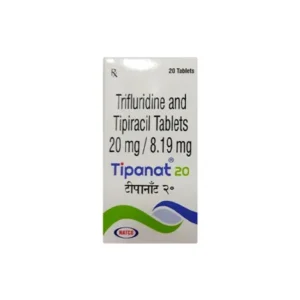
Tipanat 20 (Trifluridine/Tipiracil)
A$214.20 A$521.64Price range: A$214.20 through A$521.64
Next product

Tofakay 5mg (Tofacitinib)
A$49.00 A$119.00Price range: A$49.00 through A$119.00
A$49.00 A$182.00Price range: A$49.00 through A$182.00
In Stock
In Stock
Tizan 2mg (Tizanidine)
| Pack Size | Price | Quantity | Add To Cart | |
|---|---|---|---|---|
| 60 Tablet/s | A$49.00 | |||
| 90 Tablet/s | A$68.60 | |||
| 180 Tablet/s | A$126.00 | |||
| 280 Tablet/s | A$182.00 | |||
| Want to order in bulk / B2B price? Send Inquiry | ||||
×
Sorry!! Out of Stock
Sorry! Tizan 2mg (Tizanidine) is out of stock
Please click below to view other similar medications.
View All Tizanidine Products


Offer You Can't Resist
Free Shipping
Enjoy Free Shipping on Orders above AUD304 (USD199)
Estimate Shipping :
23 June - 30 June
38
Good Packagingg
Professional packaging and timely delivery. Highly recommend this medicines website
 Australia
May 20, 2026
Last Updated on June 19, 2026

Description
Introduction
Tizan 2mg is a drug that has Tizanidine hydrochloride. This is an active, centrally acting relaxant that is used to alleviate spasticity, muscle spasms, and discomfort. The most common use for it is in people suffering from muscle stiffness and spasms triggered by diseases like multiple sclerosis, injury to the spinal cord, or any other neurologic disorders. It works by reducing the nerve impulses and pain signals that are sent to the brain, which helps relax muscles while improving the mobility and ease of movement.
What is Tizan 2mg?
Tizan 2mg is an oral tablet with 2 milligrams of the main component, Tizanidine hydrochloride. Tizanidine is part of a group of medicines known as alpha-2 antagonists. It works on the nervous system’s central part in order to decrease excessive muscle tone and spasms. Contrary to many other sedatives, Tizanidine is known for its short time of action. This allows greater control over dose and muscle relaxation, without causing prolonged serotonin.
How Does Tizan 2mg Work?
Tizanidine acts by stimulating alpha-2 receptors that are located in the spinal cord and brain. The stimulation blocks the release of neurotransmitters that stimulate that are found in the spinal neurons, which leads to a decrease in spasticity. In essence, it decreases the signaling that causes muscles to contract overly quickly, which relaxes the muscles while relieving muscle spasms and stiffness. The process helps patients gain more control over their movement and lessens the pain that comes due to muscle tightness.
Indications
Tizan 2mg is prescribed to treat:
- Muscle Spasticity: To reduce stiffness and the involuntary muscle contractions that occurs in certain conditions, like multiple sclerosis, cerebral palsy, or an injured spinal cord.
- Muscle Spasms: Relieves acute muscle spasms, resulting from musculoskeletal injuries or other conditions.
- Neuropathic Pain Management: Sometimes, it is used as a supplement treatment for pain caused by muscle spasticity.
- Other off-label uses: If under medical supervision, the drug is a treatment option for conditions that cause hyperactivity in the muscles.
Dosage and Administration
The dosage for Tizan 2mg is dependent on the medical condition of the patient, response to treatment, and tolerance. It is crucial to follow the prescription of your doctor.
- Starting Dose: Treatment typically begins by taking a small dose, generally 2 mg, once a day and preferably before bed to limit the possibility of feeling sedated throughout the day.
- Titration: The dosage can be gradually increased by increments of 2 mg every couple of days, depending on the patient’s response as well as any side effects, in order to attain the level of relaxation you desire. The usual maintenance dosage is between 4mg and 36mg daily, and is split into several dosages.
- Maximum Dose: The dose for a day must not exceed 36mg.
- Administration: Tablets are best taken by mouth with water. They can be consumed in conjunction with or without food. It is recommended to take them at a regular time with respect to meal times to ensure steady blood pressure.
- Avoid sudden discontinuation: The abrupt stopping of Tizanidine can result in an increase in spasticity or rebound hypertension. Doses should be tapered under medical supervision when the need for discontinuation arises.
Precautions and Warnings
- Liver Function: Tizanidine could influence liver enzymes and may cause damage to the liver. The tests for liver function must be conducted before starting treatment, and then every couple of weeks thereafter.
- Blood Pressure Monitoring: Tizanidine may lead to Hypotension (low blood pressure) as well as bradycardia (slow heart rate). The patient should be monitored for signs of nausea, lightheadedness, dizziness, and fainting on standing.
- Sedation and Drowsiness: The medication can cause severe sleepiness, drowsiness, and disorientation. It is recommended that patients avoid driving or operating machinery that is heavy until they understand what the effects of this medication are.
- Alcohol and CNS Depressants: The use of alcohol in conjunction with other depressants of the central nervous system (such as opioids and benzodiazepines) could increase the sedation level and risk of breathing depression.
- Kidney Impairment: Adjustments to dosages may be required for those suffering from kidney impairment.
- Pregnancy and Breastfeeding: The safety of Tizanidine during lactation and pregnancy has not been established. The drug should be used only when necessary and authorised by a medical specialist.
- Drug Interactions: Tell your doctor about any medication you use in the event of a drug interaction. Tizanidine is known to interact with various drugs, like fluvoxamine and ciprofloxacin, both of which may increase levels in dangerous ways.
Side Effects
While Tizanidine has proven beneficial in the management of muscle spasms and tension, it could produce side effects for certain patients. The most common side effects are:
- Drowsiness and fatigue
- Dry mouth
- Weakness or tiredness
- Dizziness or lightheadedness
- Hypotension (low blood pressure)
- Constipation
- Nausea
More serious, but less common adverse effects could be:
- Liver toxicity (manifested by jaundice, dark urine, or abdominal pain)
- Hallucinations or confusion
- Bradycardia (slow heart rate)
- Allergic reactions (rash, itching, swelling)
If serious side effects or symptoms of an allergic reaction develop, medical attention should be sought out immediately.
Drug Interactions
Tizanidine is a drug that interacts with other drugs that may boost its concentration or worsen its adverse effects. A few of the most prominent interactions include:
- Ciprofloxacin and Fluvoxamine: They inhibit their metabolism, which is a result of the Tizanidine, which can lead to increased levels as well as a greater risk of adverse consequences, such as high sedation and hypotension.
- Other CNS Depressants: The use of alcohol, benzodiazepines and barbiturates, or opioids can increase the effects of sedation.
- Antihypertensive Medications: Might enhance the blood pressure-lowering effect of Tizanidine.
- Oral Contraceptives: Could increase plasma levels of Tizanidine.
- Patients must always notify their physician of any medications or supplements they take to ensure that there are no negative interactions.
Use in Special Populations
- Elderly Patients: The patient is more sensitive to side reactions like sedation and hypotension. Thus, smaller doses as well as careful monitoring are advised.
- Children: Effectiveness and safety in pediatric patients have not been established. It is best to use it under medical supervision by a physician.
- Patients with Renal or Hepatic Impairment: Monitoring and adjustments to doses are essential for avoiding toxic effects.
Storage
Tizan 2mg tablets should be stored at room temperatures at a distance from moisture or heat, as well as direct light. Be sure to keep the tablet away from animals and children. Make sure the container is securely shut after every use in order to preserve the integrity of tablets.
Conclusion
Tizan 2mg (Tizanidine) is an efficient muscle relaxant that can be used to treat spasms in muscles and spasms that are caused by neurological or musculoskeletal disorders. The mechanism behind its action is a central alpha-2 receptor antagonist that provides relief targeted by cutting down nerve signals that trigger muscular stiffness and pain. In a controlled manner, under supervision from a physician, Tizanidine improves mobility and the quality of life for those with muscle hyperactivity issues.
A strict adherence to the prescribed dose, as well as constant surveillance of liver function and blood pressure, as well as be aware of the potential for adverse effects as well as drug interactions, provides safe and effective treatment using Tizan 2mg. If adverse reactions or issues arise during treatment, the patient should contact their doctor immediately to seek the appropriate treatment.
Additional Information
| Active Ingredient: | Tizanidine |
|---|---|
| Indication: | Muscle Relaxation |
| Manufacturer: | Sun Pharmaceutical Industries Ltd. |
| Packaging: | 10 Tablets in Strip |
| Strength: | 2mg |
| Delivery Time: | 7 To 15 days |
Related products











Recently Viewed


Reviews
There are no reviews yet.