
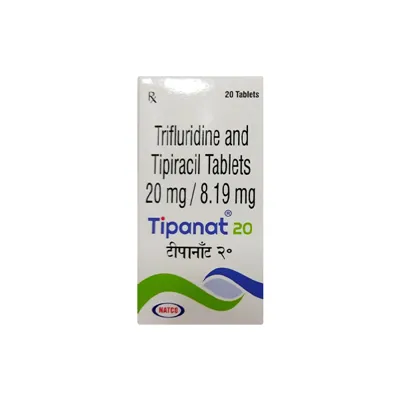
Tipanat 20 (Trifluridine/Tipiracil)
Previous product

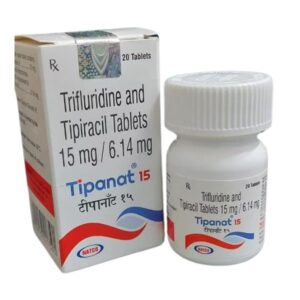
Tipanat 15 (Trifluridine/Tipiracil)
A$166.06 A$403.53Price range: A$166.06 through A$403.53
Next product


Tizan 2mg (Tizanidine)
A$50.54 A$187.72Price range: A$50.54 through A$187.72
A$220.93 A$538.03Price range: A$220.93 through A$538.03
In Stock
In Stock
Tipanat 20 (Trifluridine/Tipiracil)
| Pack Size | Price | Quantity | Add To Cart | |
|---|---|---|---|---|
| 20 Tablet/s | A$220.93 | |||
| 40 Tablet/s | A$398.67 | |||
| 60 Tablet/s | A$538.03 | |||
| Want to order in bulk / B2B price? Send Inquiry | ||||
×
Sorry!! Out of Stock
Sorry! Tipanat 20 (Trifluridine/Tipiracil) is out of stock
Please click below to view other similar medications.
View All Trifluridine/Tipiracil Products

Offer You Can't Resist
Free Shipping
Enjoy Free Shipping on Orders above AUD304 (USD199)
Estimate Delivery :
12 September - 19 September
25
Secure Packaging
My order was packaged carefully and arrived in good condition. The whole process was handled professionally, and communication was excellent. Thank you for the great service
 Australia
August 18, 2026
Last Updated on June 19, 2026

Description
Introduction
Tipanat 20 can be described as a prescribed medicine that contains two active components: Trifluridine and Tipiracil. The combination is utilized primarily to treat certain kinds of metastatic or metastatic colorectal cancer (CRC) as well as gastric cancer that have metastasized. The cancers that cause these problems are typically difficult to treat and are particularly challenging for patients who have received standard chemotherapy. Tipanat 20 provides a unique cancer treatment that works those targets the pathway for DNA synthesis within the cancerous cells, which results in slowing or stopping the development.
Composition and Dosage Form
Tipanat 20 is sold as a tablet, each tablet having a set dosage of 20 mg of the two active ingredients Trifluridine as well as Tipiracil. The precise proportion of the two components has been designed to enhance therapeutic efficacy as well as minimize toxicity and resistance. The tablets are generally taken orally, which makes the procedure convenient for patients, particularly those who require long-term treatment.
Mechanism of Action
Tipanat 20 operates by utilizing a double mechanism that is based on the effect of Trifluridine as well as Tipiracil:
- Trifluridine: This is a derivative of nucleoside, which interferes with the process of synthesising DNA inside cancer cells. Once it is incorporated into the DNA of tumor cells in replication, Trifluridine damages DNA and blocks cell division. It ultimately leads to the death of cancer cells.
- Tipiracil: The component is an inhibitor of the thymidine-phosphorylase. Thymidine phosphorylase is a protein that quickly breaks down Trifluridine and reduces its efficacy. Through inhibiting this enzyme, Tipiracil enhances the bioavailability and levels in the plasma of Trifluridine, which enhances the anticancer properties of Trifluridine.
In combination, the two compounds produce a synergistic effect that increases the effectiveness of chemotherapy for resistant or advanced cancers.
Indications
Tipanat 20 is used primarily to treat:
- Metastatic colorectal cancer (mCRC): In particular, those patients previously treated using conventional chemotherapy regimens that include fluoropyrimidine, oxaliplatin, Irinotecan, and fluoropyrimidine-based treatments, in addition to anti-VEGF and therapy against the EGFR, when it is necessary.
- Metastatic gastric cancer or gastroesophageal junction adenocarcinoma: Patients who’ve experienced a decline in the past two chemotherapy treatments, such as platinum and fluoropyrimidine-based therapies.
These guidelines are targeted at patients suffering from advanced cancers in which treatment options have been unsuccessful or have become ineffective.
Usage and Administration
Tipanat 20 is consumed by mouth, usually twice a day at least one hour following meals, to enhance the absorption of food and reduce gastrointestinal adverse effects. This treatment is prescribed between days 1 and 5 and on days 8 to 12 of every 28-day course. This cycle helps ensure the efficacy of the medicine with the body’s capability to overcome side effects.
The dosage adjustments are in accordance with the body surface area (BSA), along with liver and kidney function, as well as tolerance of treatment. Regular monitoring by the health professional is essential in assessing the effectiveness of treatment and its side effects.
Pharmacokinetics
- Absorption: Tipanat 20’s active ingredients can be absorbed well after oral administration. The consumption of the drug along in conjunction with food can increase its bioavailability.
- Distribution: Both Trifluridine and Tipiracil are widely distributed throughout the body and reach cancerous tissues efficiently.
- Metabolism: Trifluridine is converted intracellularly upon incorporation into DNA. Tipiracil works primarily by inhibiting Trifluridine breakdown.
- Elimination: The drug, as well as its metabolites is removed through the kidneys and the feces.
The pharmacokinetic profile is a support for the schedule of dosing and administration of the drug to maximize therapeutic results.
Contraindications
Tipanat 20 is an ineffective drug:
- People who have a history of hypersensitivity to Trifluridine Tipiracil or any other component of the formula.
- Patients with an extreme bone marrow deficiency caused by radiotherapy or chemotherapy.
- Patients who suffer from severe or end-stage renal impairment, in which the clearance of drugs is impaired.
- Breastfeeding or pregnant women, in cases where the benefit is not sufficient to justify the risk for the infant or fetus.
Precautions and Warnings
- Myelosuppression: One of the biggest hazards associated with Tipanat 20 treatment is the suppression of bone marrow that can lead to lower amounts of platelets, neutrophils, and red blood cells. Patients must undergo periodic checks of their blood for the purpose of monitoring the blood count.
- Infections: Because of neutropenia, patients have a higher risk of infection. Medical attention should be sought immediately when signs of infection are evident.
- Gastrointestinal Toxicity: The most common side effects are diarrhea, nausea, vomiting, and abdominal discomfort. Assistive care and dosage adjustments might be needed.
- Renal and Hepatic Impairment: Dosage adjustments are needed in patients suffering from issues with the liver or kidneys to prevent the risk of toxicity.
- Drug Interactions: It is important to exercise caution when using it in conjunction with any other medication that causes bone marrow inhibition or alters kidney function.
Side Effects
Common side effects of Tipanat 20 are:
- Neutropenia and leukopenia (low white blood cell count)
- Anemia and thrombocytopenia (low platelet count)
- Fatigue and weakness
- Nausea, vomiting, diarrhea
- Loss of appetite
- The causes of fever and infection are linked to the low white blood cell count
- Abdominal pain or discomfort
More uncommon but potentially serious consequences include serious infections, bleeding from a lower platelet count, and allergic reactions. All unusual or serious symptoms need to be immediately reported to a medical professional.
Overdose
The evidence isn’t as extensive for the overdose risk of Tipanat 20. Overdose symptoms could cause an aggravation of the adverse effects, including severe suppression of bone marrow and stomach toxicities. If an overdose occurs, support, including keeping track of blood count and managing symptoms, is vital.
Storage
The Tipanat 20 tablets must be kept at room temperature away from moisture and heat. The tablets must be stored away from young children. They should not use them after the expiration date.
Clinical Considerations
Treatment of Tipanat 20 demands strict clinical surveillance to avoid severe gastrointestinal and hematological adverse reactions. The blood count should be monitored often, particularly during the initial few weeks of treatment, to determine and treat myelosuppression in the early stages.
The drug has demonstrated efficacy in prolonging progression-free and overall survival for patients suffering from resistant metastatic colorectal or gastric cancers. The use of this drug provides a second alternative for patients who have few options due to their inability or resistance to standard chemotherapy.
Patient Counseling
Patients are advised of the importance of following the dosage regimen and reporting any adverse reactions immediately, including symptoms of bleeding or infection. It is recommended to ensure adequate hydration and nutritional intake, and also to drink the medication along with meals in order to lessen gastrointestinal discomfort.
The patients should also be educated about the significance of routine check-ups and blood tests. The information provided to patients regarding possible negative side effects and how to manage them could improve compliance and the results of treatment.
Additional Information
| Active Ingredient: | Trifluridine/Tipiracil |
|---|---|
| Indication: | Treat Cancer of the Colon and Rectum |
| Manufacturer: | Natco Pharma Ltd. |
| Packaging: | 20 Tablets in 1 Bottle |
| Strength: | 20mg/8.19mg |
| Delivery Time: | 7 To 15 days |
Related products



Recently Viewed
Reviews
There are no reviews yet.