
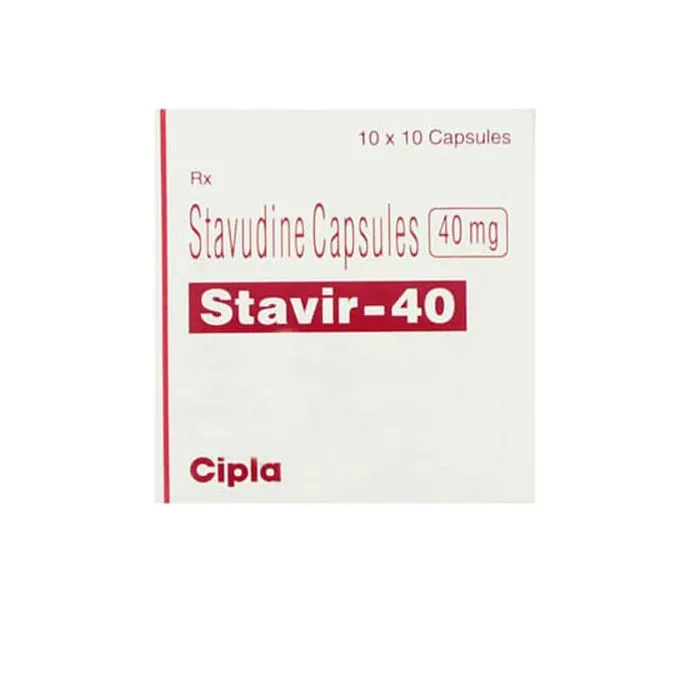
Stavir 40mg (Stavudine)
Previous product
Stavir 30mg (Stavudine)
A$29.48 A$66.68Price range: A$29.48 through A$66.68
Next product
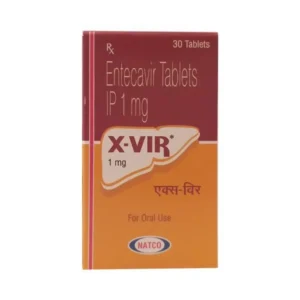
X-Vir 1mg (Entecavir)
A$196.53 A$554.50Price range: A$196.53 through A$554.50
A$33.69 A$75.45Price range: A$33.69 through A$75.45
Out of Stock
Out of Stock
Stavir 40mg (Stavudine)
| Pack Size | Price | Quantity | Add To Cart | |
|---|---|---|---|---|
| 60 Capsule/s | A$33.69 | |||
| 120 Capsule/s | A$52.64 | |||
| 180 Capsule/s | A$75.45 | |||
| Want to order in bulk / B2B price? Send Inquiry | ||||
×
Sorry!! Out of Stock
Sorry! Stavir 40mg (Stavudine) is out of stock
Please click below to view other similar medications.
View All Stavudine Products
Offer You Can't Resist
Free Shipping
Enjoy Free Shipping on Orders above AUD304 (USD199)
21
Great customer service
Great customer service and a straightforward ordering process. I’m very satisfied
 Australia
September 28, 2026
Last Updated on June 07, 2026

Description
Description
Stavir (Stavudine) is an antiretroviral medicine that is used to combat Human Immunodeficiency Virus (HIV) disease. Stavudine is an inhibitor of nucleoside reverse transcriptase (NRTI) and acts by blocking reverse transcriptase. It is a key component in the development of HIV. By blocking this enzyme, Stavudine aids in decreasing the amount of virus in the body. It also helps to stop the progression from HIV to Acquired Immunodeficiency Syndrome (AIDS).
Stavir is usually employed as a part of a combination treatment to manage HIV when used with other antiretroviral medicines. It is vital to understand that there is no cure for HIV; however, it can dramatically reduce HIV replication and enhance the quality of life of patients who suffer from HIV.
Indications for Use
Stavir (Stavudine) can be used to treat HIV disease, especially when used in conjunction with other antiretroviral drugs. It helps to decrease viral replication, improve immunity, and raise the CD4 cells, which assist in stopping the progression of AIDS.
The most common use is for:
- HIV Infection: For pediatric and adult patients in combination treatment (ART).
- Prevention of Vertical Transmission: Stavudine can also be utilized to stop the transmission of HIV between the mother and the child in pregnancy and during childbirth.
Mechanism of Action
Stavudine acts by preventing the reproduction of HIV. As a nucleoside reverse transcriptase inhibitor (NRTI), it acts on the growing viral DNA chain during reverse transcription. After incorporation, Stavudine blocks further chain elongation, thereby stopping viral replication. This reduces the level of viruses in the bloodstream (viral load) and improves immune function, as well as reducing the likelihood of developing opportunistic infections.
Dosage and Administration
The dose of Stavir is dependent on each patient’s health, weight, and the other drugs they’re taking in the antiretroviral regimen.
- Adults and Children (≥12 years): The usual dosage for teenagers and adults who weigh above 60kg can be 40mg at least twice a day according to the doctor’s prescription.
- Children (≤12 years): The dosage for kids less than 12 years old is determined by their weight. The usual dose is 1 – 1.5 mg for each kilogram of body mass, given at least once a day or two times per day.
Administration:
Stavir is best taken along with a meal to improve absorption. Stavir is available in tablet form. The tablet should be taken in a single swallow with a glass of water.
Contraindications
Stavir shouldn’t be taken by those with one of the following ailments:
- Hypersensitivity to Stavudine: An allergic reaction is known with Stavudine and any other components.
- Severe liver disease: Stavudine shouldn’t be taken by patients suffering from severe liver impairment, specifically those suffering from cirrhosis.
- Pancreatitis: Stavudine is not advised for people who have a history of pancreatitis, as it could cause an increase in the severity of the disease.
- Renal Impairment: Patients with a severe impairment of their kidneys need to be watched closely or might require another medicine.
Warnings and Precautions
- Lactic Acidosis: Stavudine, as well as the other NRTIs, can cause an extremely serious disease called lactic acidosis (an increase in lactic acid in the blood) that can turn fatal. The symptoms of lactic acidosis are breath that is rapid or deep nausea and vomiting, abdominal pain, and weakness of the muscles.
- Hepatotoxicity: Hepatic (liver) toxicities, such as serious liver diseases, may be a result of the treatment of Stavudine. The monitoring of liver function with regular tests of the blood is advised, particularly for those who already have liver issues.
- Peripheral Neuropathy: Stavudine has been linked to peripheral neuropathy (nerve damage within the extremities) and may cause symptoms like numbness, burning, or pain in the feet and hands. If you experience symptoms, dosage modification or removal may be required.
- Bone Marrow Suppression: Stavudine may trigger bone marrow suppression, which can result in low blood cells (anemia, neutropenia, thrombocytopenia). A regular check of blood counts is advised to look out for any potential adverse reactions.
- Pancreatitis: Stavudine can increase the likelihood of developing pancreatitis. It is particularly so when it is used with other medicines such as didanosine. Patients must be observed for any signs of pancreatitis.
Side Effects
The most common side effects associated with Stavir can include:
Serious side effects include:
- Lactic Acidosis: Signs of ailment include fast or slow breathing, nausea, vomiting, stomach pain, and weakness of muscles.
- Severe Hepatotoxicity: Yellowing of the skin or eyes (jaundice), dark urine, and abdominal pain.
- Peripheral Neuropathy: Tingling, numbness, or pain in the hands or feet.
- Pancreatitis: Severe abdominal pain, nausea, vomiting, and loss of appetite.
Drug Interactions
Stavir is a drug that interacts with many other drugs, particularly other antiretroviral medicines, which increases the likelihood of having side effects. Possible drug interactions are:
- Other NRTIs: If used with other NRTIs, such as zidovudine or didanosine, the possibility of adverse reactions such as pancreatitis or lactic acidosis could increase.
- Methadone: Stavudine can increase the level of methadone in the plasma, which could cause toxicity.
- Rifampin: Rifampin, which is an antibiotic commonly used in the treatment of tuberculosis, could reduce the efficacy of Stavudine by accelerating its metabolism of Stavudine.
Storage and Handling
- Storage: The tablets of Stavir should be kept at temperatures at room temperature (between 20°C to 25°C or 68°F to 77°F) within a dark, dry location in a secure area away from moisture and light. Don’t store them in the bathroom or close to an unclean sink.
- Handling: Be sure to keep Stavir away from youngsters. Get rid of any empty or expired tablets according to the procedure directed by a pharmacist.
FAQs (Frequently Asked Questions)
How does Stavir work to treat HIV?
Stavir can block the reverse transcriptase enzyme and blocking this enzyme from stopping the HIV from reproducing in the body. It reduces the amount of viral burden and enhances immune function.
Can Stavir cure HIV?
No, it’s not true. Stavir doesn’t cure HIV. However, it does help to manage the disease by decreasing the load of HIV, improving the health of the immune system, and stopping the development of AIDS.
How long will I need to take Stavir?
Stavir is generally prescribed in the long-term as part of a mixed antiretroviral treatment (ART). The precise duration depends on the individual treatment regimen and your response to the drug.
Can Stavir be used in children?
Yes, Absolutely, Stavir may be utilized for children who are older than 12 years old. The dosage is usually dependent on the weight of the child as well as the child’s age, and a doctor will modify the dosage according to weight.
What are the common side effects of Stavir?
The most common side effects are nausea and vomiting. Other common side effects include diarrhea, fatigue, and headache. The more serious effects include the toxicity of the liver, as well as peripheral neuropathy.
Can I stop taking Stavir if I feel better?
No, you should never take a break from Stavir without consulting with your physician, even if you are feeling more comfortable. A delay in treatment can result in a return of the virus and the development of resistance to drugs.
Can I take Stavir with food?
Yes, Stavir must indeed be consumed along with meals to aid in absorption. But it is used either with or without food, based on what you prefer.
Can Stavir be taken during pregnancy?
Stavir can only be administered in pregnancy when the possible positive effects outweigh any potential risks for the developing fetus. Women who are pregnant should speak with their physician before starting Stavir.
Summary
Stavir (Stavudine) 40mg is a vital medication to treat HIV disease as part of a combination therapy against HIV. Although it isn’t able to eliminate HIV, it does help to decrease viral burden and stop the development of AIDS through blocking the reverse transcriptase. As with other antiretroviral medicines, Stavir is associated with possible side effects like lactic acidosis, liver toxicity, and peripheral neuropathy. Monitoring by a qualified healthcare doctor is vital for managing these potential risks promptly.
Related products

Recently Viewed

Reviews
There are no reviews yet.