

Serenace 10mg (Haloperidol)
Previous product
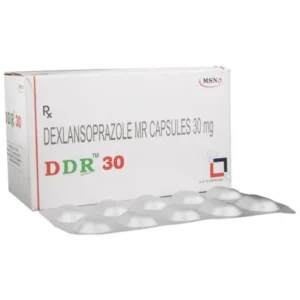
DDR 30mg (Dexlansoprazole)
$20.00 $55.00Price range: $20.00 through $55.00
Next product
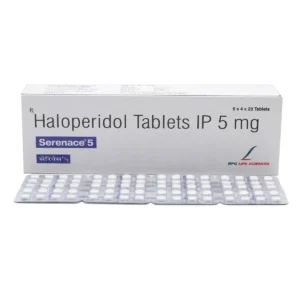
Serenace 5mg (Haloperidol)
$12.00 $30.00Price range: $12.00 through $30.00
$15.00 $43.00Price range: $15.00 through $43.00
In Stock
In Stock
Serenace 10mg (Haloperidol)
| Pack Size | Price | Quantity | Add To Cart | |
|---|---|---|---|---|
| 30 Tablet/s | $15.00 | |||
| 60 Tablet/s | $29.00 | |||
| 90 Tablet/s | $43.00 | |||
| Want to order in bulk / B2B price? Send Inquiry | ||||
×
Sorry!! Out of Stock
Sorry! Serenace 10mg (Haloperidol) is out of stock
Please click below to view other similar medications.
View All Haloperidol Products
Offer You Can't Resist
Free Shipping
Enjoy Free Shipping on Orders above AUD304 (USD199)
Estimate Shipping :
07 June - 14 June
48
Fast dispatch
I have ordered multiple times and always receive excellent service. Fast dispatch, reliable tracking, and great support.
 Australia
May 21, 2026
Last Updated on May 20, 2026

Description
Introduction
Serenace 10mg consists of haloperidol a potent antipsychotic. Medication that is widely used for treating various psychiatric as well as neurological conditions. Haloperidol is categorized as a common antipsychotic or first-generation antipsychotic and has served as an essential ingredient in the treatment of disorders such as schizophrenia, psychosis acute and extreme agitation for a long time.
This blog gives a complete knowledge the effects of Serenace 10 mg – its benefits, mechanisms of action, dose, adverse effects, warnings and considerations for patients.
What is Haloperidol?
Haloperidol was the first antipsychotic medicine. It was introduced in the 1950s, and is one of the most widely prescribed medicines for the treatment of psychotic symptoms. It functions by primarily blockading dopamine receptors within the brain. This aids in controlling the abnormal activity of the brain that is associated with psychosis.
Haloperidol comes in many types — tablets, oral solution, injectionsand Serenace is among the brands under which haloperidol is sold.
How Does Serenace 10 mg Work?
Haloperidol is an dopamine D2 receptor antagonist. Dopamine is one of the neurotransmitters implicated in the development of mood, cognition and behavioral. The overactivity of dopamine channels particularly in specific regions of the brain can be connected to psychotic symptoms like hallucinations, thoughts that are disorganized, or delusions.
By blocking dopamine receptors, haloperidol helps to:
- Reducing the hallucinations and delusions
- Reduce aggression and agitation
- Increase clarity of thought
- Stabilize mood for some mental disorders
In addition to dopamine receptors in addition, haloperidol affects various neurotransmitter system to a lesser extent, thereby contributing to its side effects.
Indications: When is Serenace 10 mg Prescribed?
Serenace 10 mg can be used to treat a variety of psychiatric and neurological disorders, which include:
- Schizophrenia and other psychotic disorders: Control positive symptoms such as hallucinations and delusions.
- Acute psychosis: The rapid calming effect of anxiety and psychotic symptoms.
- Manic episodes in bipolar disorder: For managing agitation and mood fluctuations.
- Delirium and severe agitation: In particular, in emergency environments.
- Tourette syndrome: Reduce vocalizations and tics.
- Severe behavioral problems: For dementia or an intellectual disability the treatment options are not working.
It’s usually an integral part of a treatment program that includes psychological counseling as well as other drugs.
Dosage and Administration of Serenace 10 mg
- Starting dose: Adults, the doses are usually between 0.5 mg to 5 mg twice and three times a day, dependent on the severity of the illness.
- Maintenance dose: The dosage is slowly adjusted to the maximum effective dosage typically ranging from 5 mg and 20 mg daily.
- Serenace 10 mg tablets: Each tablet is a source of 10 mg of haloperidol. It may be divided in accordance with the prescribed dosage.
- Route: Tablets for oral use are typically used in combination with or without food regularly.
- In case of emergency Injectable solutions can be administered under medical supervision.
Important: Dosage should be tailored and modified based on the reactions and any side consequences. Don’t alter doses or frequency of use without consulting a health professional.
How Long Does it Take to Work?
- A calming effect may begin to appear on the agitated patient and psychosis can manifest in a matter of hours or days.
- Therapeutic benefits for conditions such as schizophrenia could take a few weeks of regular therapy.
- It is crucial to follow up regularly in order in order to assess the efficacy and tolerateability.
Benefits of Serenace 10 mg
Haloperidol’s effectiveness is demonstrated in:
- The ability to control the severe psychotic symptoms and hallucinations.
- Decreased delusions and disorganized thinking with schizophrenia.
- The treatment of symptoms related to behavior that is associated with psychiatric or neurological conditions.
- Cost-effective and readily available and widely available, particularly in settings with low resources.
Side Effects of Serenace 10 mg
As with many antipsychotics may cause a variety of negative side effects. Some are normal and minor, while some more serious:
Common side effects:
- Drowsiness or sedation
- Dry mouth
- Constipation
- Blurred vision
- Weight gain
- Restlessness or feeling jittery (akathisia)
- Muscle stiffness or rigidity (extrapyramidal symptoms or EPS)
Serious side effects:
- Extrapyramidal symptoms: In addition, tremors, rigidity bradykinesia (slow motion) along with dystonia (muscle spasms). The causes are dopamine blockade that impairs motor control.
- Tardive dyskinesia: A movement disorder that develops late in the course of life that is characterized by repetitive, involuntary motions, which are often irreparable.
- Neuroleptic malignant syndrome (NMS): A rare, but potentially fatal condition that causes high temperature muscles rigidity and autonomic instabilities. Medical attention immediately is needed.
- Cardiac effects: Arrhythmias and prolonged QT intervals for some patients.
- Endocrine changes: For example, elevated levels of prolactin that causes menstrual irregularities, or breast growth.
Precautions When Using Serenace 10 mg
- Be cautious when treating elderly patients, specifically those suffering from dementia-related psychosis because they are at a greater likelihood of dying from stroke or even dying.
- Beware of abrupt withdrawals to avoid withdrawal-related symptoms as well as relapses of psychosis.
- Discuss with your physician any cardiac problems, the any history of seizures, kidney or liver condition.
- Monitoring of blood pressure regularly as well as heart rhythm and neurologic symptoms is recommended.
- Do not drink alcohol or other CNS depressants that may increase the amount of sedation.
- The safety of breastfeeding and pregnancy is a matter to be analyzed with care by a medical expert.
Drug Interactions
Haloperidol is a drug that interacts with other medicines that can raise the risk of adverse reactions or affects, such as:
- Other CNS depressants (benzodiazepines, opioids) — increased sedation.
- Medicines that extend duration of the QT interval (certain antiarrhythmics, antibiotics) are a risk for arrhythmias.
- Inhibitors or drugs that stimulate the liver’s enzymes (CYP3A4, CYP2D6) -can alter haloperidol blood levels.
- Anticholinergic medications can cause worse adverse effects such as constipation or dry mouth.
Make sure you disclose all medications currently in use to your physician prior to beginning Serenace.
Managing Side Effects
- Extrapyramidal symptoms: Can be treated using anticholinergic medications (e.g. or benzotropine) or dosage adjustment.
- Sedation: The effect usually decreases with time. Be careful not to drive or operate equipment if it is you are affected.
- Constipation: Keep hydrated, take fiber as well as consider laxatives for mild constipation when needed.
- Tardive dyskinesia: The earlier detection of symptoms is crucial When symptoms start to appear beg your doctor to consult right away.
Patient Experiences
Patients who take Serenace 10 mg typically have the following symptoms:
- A significant relief from symptoms of psychosis and improves social interaction.
- In the beginning, side effects may include stiffness, drowsiness and irritability that usually get better with time or adjustments.
- Problems with stiffness in muscles or restlessness that require additional medication.
- The medication’s efficacy is praised but there can be some frustrations with the reactions that need a careful follow-up.
When to See a Doctor
Consult your physician if you suffer from:
- Muscle stiffness, spasms or muscle tension
- Involuntary movements of the face, tongue or the limbs
- High fever, sweating, confusion (possible NMS)
- Chest pain, palpitations, or fainting
- Persistent dizziness or fainting
- The signs of an allergic reaction include itching, swelling or trouble breathing
Frequently Asked Questions
Can I stop Serenace 10 mg suddenly?
No, a sudden stoppage could trigger withdrawal symptoms or a relapse. Always begin tapering under supervision from a physician.
Is Serenace addictive?
No, it is not addicting, but it should be used according to the directions.
How long will I need to take it?
It is contingent on the illness being treated as well as the response. Some patients require long-term treatments.
Can I drink alcohol while taking Serenace?
Alcohol may cause increased sedation and adverse effects. It is advised to stay clear of or reduce.
Conclusion
Serenace 10 mg (haloperidol) remains an effective device for the treatment of schizophrenia, extreme agitation and other neurological disorders. The ability of this drug to inhibit dopamine receptors can help manage the conditions that can affect everyday performance and the level of living.
Though effective, it requires constant monitoring due to the nature of its adverse effects including movement disorders, as well as uncommon but severe complications. The patient and their caregivers must maintain regular contact with their healthcare professionals for the most secure and efficient use of this medication.
If you are following the correct dosage, monitoring and care Serenace 10 mg could dramatically improve the symptoms of psychiatric disorders and assist patients to regain peace and stability.
Additional Information
| Manufacturer | RPG Life Science Ltd |
|---|---|
| Pharmaceutical | Tablet/s |
| Strength | 10mg |
| Pack Size | 30 Tablet/s , 60 Tablet/s , 90 Tablet/s |
Related products
Recently Viewed


Reviews
There are no reviews yet.