
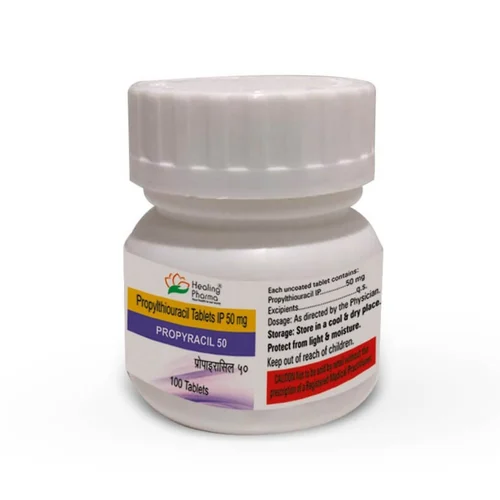
Propyracil 50mg (Propylthiouracil)
Previous product
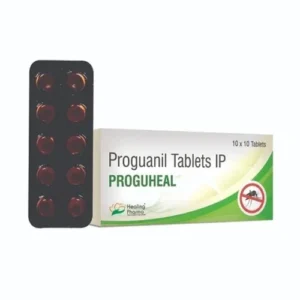
Proguheal 100mg (Proguanil)
$25.00 $65.00Price range: $25.00 through $65.00
Next product
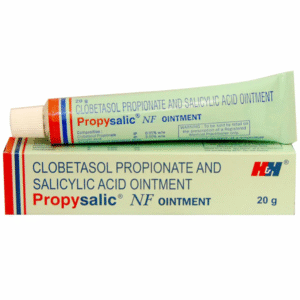
Propysalic NF Ointment (Clobetasol/Salicylic Acid)
$10.00 $40.00Price range: $10.00 through $40.00
$30.00 $74.25Price range: $30.00 through $74.25
In Stock
In Stock
Propyracil 50mg (Propylthiouracil)
| Pack Size | Price | Quantity | Add To Cart | |
|---|---|---|---|---|
| 100 Tablet/s | $30.00 | |||
| 200 Tablet/s | $55.00 | |||
| 300 Tablet/s | $74.25 | |||
| Want to order in bulk / B2B price? Send Inquiry | ||||
×
Sorry!! Out of Stock
Sorry! Propyracil 50mg (Propylthiouracil) is out of stock
Please click below to view other similar medications.
View All Propylthiouracil Products
Offer You Can't Resist
Free Shipping
Enjoy Free Shipping on Orders above AUD304 (USD199)
Estimate Shipping :
06 June - 13 June
20
Last Updated on May 14, 2026

Description
Propyracil 50mg (Propylthiouracil): Understanding Its Role in Thyroid Health
Thyroid issues affect people all over the world, and managing them frequently requires targeted medications to control the production of thyroid hormones. One of these medications is Propyracil 50mg, which contains an active ingredient called Propylthiouracil (PTU). It plays a vital function in treating hyperthyroidism, as well as some thyroid-related diseases.
This guide is comprehensive and will clarify exactly what Propyracil is and how it functions, as well as its functions and dosage guidelines, as well as side reactions, warnings, and the answers to most frequently asked questions that will assist you to understand the significance of Propyracil for thyroid health care management.
What is Propyracil (Propylthiouracil)?
Propyracil is the brand term for the medication Propylthiouracil (PTU), which belongs to the class of medicines known as antithyroid drugs. The drugs are typically used to treat hyperthyroidism, which is a disorder that causes the thyroid glands to release high levels of thyroid hormones.
Propylthiouracil acts by blocking the thyroid hormones’ production (thyroxine T4 as well as triiodothyronineT3) inside the thyroid gland. This is aiding in restoring the hormonal balance.
How Does Propylthiouracil Work?
The thyroid gland is responsible for producing hormones essential for controlling metabolic rate, heart rate, body temperature, and various other important tasks. If the thyroid gland becomes hyperactive (hyperthyroidism) and this hormone levels increase, it can cause symptoms such as rapid heartbeat, weight loss, nervousness, and heat intolerance.
Propylthiouracil acts by:
- Inhibiting thyroid peroxidase, which is an enzyme implicated in the creation of the hormones T4 as well as T3.
- Blocking the conversion of T4 to the more active T3 a hormone found in tissues in the peripheral region.
Inhibiting hormone synthesis or conversion. Propylthiouracil decreases the levels of thyroid hormone that are excessive in the bloodstream. This relieves the symptoms of hyperthyroidism.
What Conditions Does Propyracil Treat?
Propylthiouracil is typically prescribed for:
- Graves’ disease: A condition that triggers the thyroid glands to over-activate.
- Toxic multinodular goiter: The thyroid gland is enlarged and has multiple active nodules.
- Thyroid storm: Hyperthyroidism can cause life-threatening complications.
- The preparation in preparation for surgery on the thyroid or radioactive Iodine treatment to regulate hormone levels.
It’s especially helpful for situations when quick control of hyperthyroidism is required, or when the other treatment options do not work.
How to Take Propyracil 50mg
Propylthiouracil is to be taken according to the prescription of a medical physician. The general guidelines are:
- Dosage: The dosage that starts is dependent on the degree of hyperthyroidism. It is usually between 50 mg and 150 mg, taken several times daily.
- Administration: Tablets must be taken by mouth with a glass of water. It is recommended to drink it at the same time every day in order to keep constant blood pressure levels.
- Duration: The treatment can take anywhere from a few months to more than a year, based on your response and the goals of your medical doctor.
- Monitoring: Blood tests are regularly performed to check the levels of thyroid hormone, and the liver’s function is vital for the course of treatment.
Don’t abruptly stop taking Propyracil without a consultation with your doctor because this may cause an increased level of thyroid hormones.
Possible Side Effects of Propylthiouracil
As with all medicines, Propyracil could produce adverse effects. Some of the most frequent mild side effects are:
Rarer, but more serious adverse effects may occur and require immediate medical attention:
- Liver damage: The symptoms include skin yellowing and eyes (jaundice), dark urine, fatigue, and abdominal discomfort.
- Agranulocytosis: An alarming reduction in the number of white blood cells can result in a higher risk of infection. It is evident by fever, a sore throat, and mouth ulcers.
- Vasculitis: Blood vessels are inflamed, which can cause symptoms such as unprovoked bruising or discomfort.
- Severe allergic reactions: Swelling of the neck or face, or an extreme skin rash.
If you notice any serious signs, you should stop using the medicine and contact emergency treatment.
Precautions and Contraindications
Before starting Propyracil Inform your physician if you:
- Are you suffering from liver disease, or have an abnormal test for liver function
- Are pregnant or breastfeeding (PTU can be used in the early stages of pregnancy more than other thyroid medications, but it must be monitored closely)
- Have a history of blood disorders
- Other medications might interact with PTU, such as anticoagulants or other thyroid medications
The regular follow-up visits are crucial in order to make sure your medication is safe and effective.
Frequently Asked Questions (FAQs)
How long does it take for Propyracil to work?
Propylthiouracil typically begins improving symptoms after one to two weeks; however, it could require between 4 and 8 weeks or more for normalization of the levels of thyroid hormone completely.
Can Propyracil be used during pregnancy?
PTU is typically preferred over methimazole within the first trimester of pregnancy because there is less risk of birth-related defects. But it must be closely monitored by a physician to avoid liver damage.
What should I do if I miss a dose?
If you are unable to take a dose, get the dose as soon as you can remember, unless you are nearing the time to take the next dose. Never double the dosage to cover the missed dose.
Is Propylthiouracil safe for long-term use?
The long-term usage of a drug can come with higher risks, particularly liver damage. So, the duration of treatment can be limited, and patients are closely monitored. Other options, such as radioactive Iodine treatment or even surgery, could be considered in the long run for treatment.
Can I stop taking Propyracil once I feel better?
No. Removing medication without medical assistance could cause ailments to worsen or return. Consult your physician before changing the medication regimen.
Are there dietary restrictions while taking Propyracil?
There aren’t any strict rules regarding diet; however, a well-balanced eating plan can help maintain overall thyroid health. Beware of iodine supplements and high doses of iodine, unless recommended by your physician.
Conclusion
Propyracil 50mg (Propylthiouracil) is an important medicine for treating hyperthyroidism, efficiently reducing the excessive production of thyroid hormone. It can help control signs, including rapid heart rate, as well as depression, weight loss, and sweating. This improves your quality of living.
Due to the possibility of negative side effects, specifically regarding the liver’s function as well as blood cell count, the use of this drug requires health supervision by a doctor, regular surveillance, and adherence to the prescribed dosages. It’s a potent instrument for managing thyroid disorders; however, it is best used as in a holistic therapy plan that is customized to the individual patients’ needs.
If you’ve been diagnosed as having hyperthyroidism or suspect that you have thyroid issues, talk to your physician to determine the possibility of Propyracil or any other treatment is suitable for your situation.
Additional Information
| Active Ingredient: | Propylthiouracil |
|---|---|
| Indication: | Hypothyroidism |
| Manufacturer: | Healing Pharma, India |
| Packaging: | 100 Tablets in Bottle |
| Strength: | 50mg |
| Delivery Time: | 7 To 15 days |
Related products





Recently Viewed



Reviews
There are no reviews yet.