
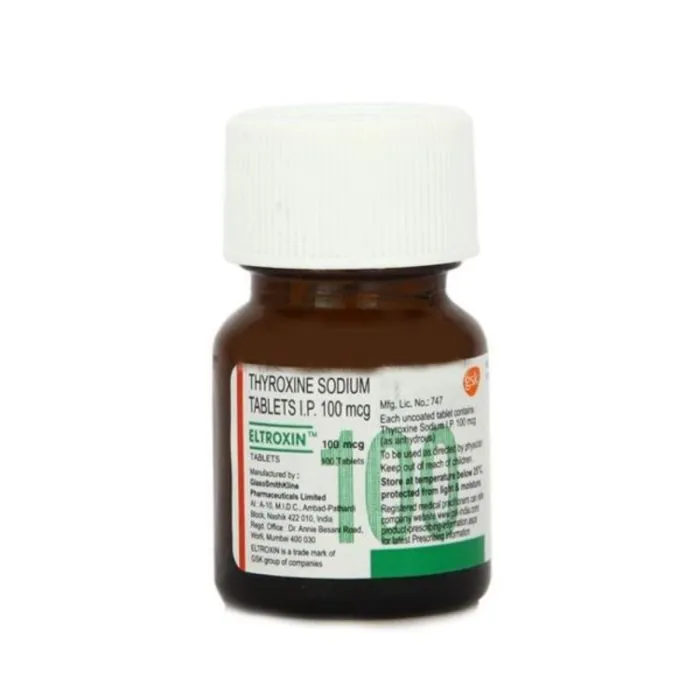
Eltroxin 100mcg (Thyroxine Sodium)
Previous product

Quadriderm RF 5g (Beclomethasone/Clotrimazole/Neomycin)
A$15.00 A$28.00Price range: A$15.00 through A$28.00
Next product
Quadriderm RF 10g (Beclomethasone/Clotrimazole/Neomycin)
A$22.00 A$46.00Price range: A$22.00 through A$46.00
A$10.00 A$49.00Price range: A$10.00 through A$49.00
In Stock
In Stock
Eltroxin 100mcg (Thyroxine Sodium)
| Pack Size | Price | Quantity | Add To Cart | |
|---|---|---|---|---|
| 1 Bottle | A$10.00 | |||
| 3 Bottle/s | A$27.00 | |||
| 6 Bottle/s | A$49.00 | |||
| Want to order in bulk / B2B price? Send Inquiry | ||||
×
Sorry!! Out of Stock
Sorry! Eltroxin 100mcg (Thyroxine Sodium) is out of stock
Please click below to view other similar medications.
View All Thyroxine Sodium Products
Offer You Can't Resist
Free Shipping
Enjoy Free Shipping on Orders above AUD304 (USD199)
Estimate Delivery :
13 October - 20 October
27
Excellent service overall
Smooth checkout, quick dispatch, and secure delivery. Excellent service overall
 Australia
October 1, 2026
Last Updated on December 05, 2025

Description
Eltroxin 100mcg, which contains Thyroxine Sodium (Levothyroxine), is a synthetic variant of the natural thyroid hormone T4 (thyroxine). It is used for use to help treat hypothyroidism, which is a disorder that occurs when the thyroid glands do not make enough hormones that meet your body’s requirements. The hormone plays an important function in the metabolism of energy, regulation, as well as temperature control. general growth and development.
Thyroid problems constitute one of the frequent disorders of the endocrine system. The drug Eltroxin has proved to be a safe, reliable, efficient, and long-lasting option for many people. This blog offers a thorough analysis of Eltroxin 100mcg, including the way it functions, how it is used, the precautions to take, and much more.
What is Eltroxin 100mcg?
Eltroxin is a brand-name medication that delivers Levothyroxine sodium as the synthetic counterpart of Thyroxine (T4) the one of the hormones made from the thyroid gland. The 100mcg dose is typically prescribed as the maintenance of treatment after the right dosage has been determined for the person.
Drug Class:
- Thyroid Hormone Replacement
- Hormonal Therapy / Endocrine Drug
Medical Uses of Eltroxin 100mcg
Eltroxin is most commonly used in the following situations in clinical practice:
-
Hypothyroidism (Underactive Thyroid)
- This is by far the most popular indicator.
- Patients complain of an increase in weight, fatigue, depression, dry skin, as well as a slower metabolism.
- Eltroxin assists in restoring normal metabolism by boosting the hormone T4 in low amounts.
-
Goiter
- It is used in benign (non-cancerous) as well as nodular goiters to decrease the size of the thyroid.
- Sometimes, it is used in conjunction with or following the procedure or radioactive iodine treatment.
-
Thyroid Cancer
- In the context of the treatment of thyroid cancer, particularly following thyroidectomy, Eltroxin can be employed to block the TSH (thyroid-stimulating hormone), which can increase the growth of cancerous cells.
-
Myxedema Coma (Severe Hypothyroidism)
- If hypothyroidism is life-threatening, Levothyroxine is administered by a hospital under surveillance.
How Eltroxin Works
Eltroxin offers synthesized thyroidine (T4), which is then converted by the body into triiodothyronine (T3) — the active thyroid hormone. These hormones regulate:
- Basal metabolic rate (BMR)
- Oxygen consumption
- Protein synthesis
- Lipid and carbohydrate metabolism
- Central nervous system development
- Cardiovascular and renal function
Through replenishing the deficient levels of hormones, Eltroxin restores hormonal equilibrium and relieves the symptoms of hypothyroidism, and also prevents problems.
Dosage and Administration
Typical Adult Dosage:
- Starting Dose: 25–50 mcg/day, especially in elderly or cardiac patients
- Maintenance Dose: 100–125 mcg/day (varies with body weight, age, and TSH levels)
- Eltroxin 100mcg is commonly prescribed after determining the optimal level of maintenance.
Key Administration Guidelines:
- Take on an empty stomach, ideally 30–60 minutes before breakfast
- After dosing, avoid food, caffeine, soy, or calcium supplements.
- Consistency: Take your dose every day at the same time.
- Take in whole water
Who Should Take Eltroxin?
Eltroxin is suitable for:
- Adults diagnosed with Primary or Secondary Hypothyroidism
- Congenital Hypothyroidism in Children
- Patients post-thyroidectomy
- Individuals undergoing TSH suppression for cancer therapy
Special Populations:
- Pregnant women: Eltroxin, a safe and essential substance during pregnancy, is required for hypothyroidism.
- Elderly patients: Due to the sensitivity of the heart, it requires lower initial doses.
Side Effects of Eltroxin
Eltroxin is very well tolerated when taken in the correct doses. Overdosage and rapid dose increase are the most common causes of side effects.
Common Side Effects of Overdose:
- Palpitations
- Anxiety or irritability
- Weight loss
- Heat intolerance
- Sweating
- Tremors
- Insomnia
- Menstrual irregularities
Rare and Serious Effects:
- Cardiac arrhythmias (especially in elderly)
- Chest pain or angina
- Osteoporosis (long-term high dose)
Consult a doctor immediately if symptoms of an overdose appear.
Contraindications and Precautions
Do NOT use Eltroxin if:
- Untreated adrenal insufficiency
- Hypersensitivity to any of the tablet excipients or levothyroxine
- Recent heart attack (acute MI)
Use with Caution in:
- Cardiovascular disease (angina, arrhythmia)
- Osteoporosis
- Diabetes mellitus (thyroxine may alter glucose control)
- Elderly patients
Drug Interactions
Eltroxin’s effectiveness and absorption can be affected by a variety of medications.
Decrease Absorption:
- Iron supplements
- Calcium carbonate
- Soy products
- Antacids containing aluminum or magnesium
- Cholestyramine and colestipol
Increase Thyroxine Requirement:
- Phenytoin
- Carbamazepine
- Rifampin
- Sertraline
Inform your doctor of all medicines, vitamins, and supplements that you take.
Monitoring and Follow-up
It is important to monitor thyroid function tests (TSH, T4, and T3) regularly in order to get the best dose.
Monitoring Schedule:
- After starting the dosage or changing it, every 6-8 weeks.
- After stabilisation, repeat every 6-12 months
- More often in pregnant or elderly patients
Storage Instructions
- Keep at room temperatures (between 15 °C and 30 °C).
- Protect against moisture and light
- Tablets should be kept in their original packaging
- Children should not be allowed to reach the product
Patient Tips for Effective Use
- Consistency is key: Eltroxin should be taken at the same time every day.
- Empty stomach: Take before eating breakfast.
- Avoid interactions: At least four hours between calcium, iron, or multivitamins.
- Don’t skip doses: Take it as quickly as you can if you missed one. Don’t double-up the following day.
- Weight and symptoms: Tell your doctor if you experience unexplained fatigue or heart problems.
- Pregnancy: Monitor closely as thyroid hormone requirements often raise.
Frequently Asked Questions (FAQs)
-
How long will I need to take Eltroxin?
The condition hypothyroidism usually persists for the rest of a person’s life. The majority of patients need long-term therapy. However, dose adjustments might be necessary over time.
-
Is Eltroxin safe during pregnancy?
Yes. During pregnancy, the dose often rises, and it should be closely monitored.
-
Can I stop taking Eltroxin once I feel better?
No. If you stop taking the medicine, it may cause symptoms to come back and complicate your condition. Always consult your doctor before making changes.
-
Will Eltroxin help with weight loss?
Eltroxin does not work as a weight loss drug. Eltroxin may help normalize the metabolism of hypothyroid patients. However, excessive dosage for weight loss can be harmful and is not recommended.
-
What if I miss a dose?
As soon as you recall, take it. Skip the missed dose if it is close to your next one. Do NOT double-dose.
Conclusion
Eltroxin 100mcg (Thyroxine Sodium) has been proven to be a successful treatment of hypothyroidism. It can improve the quality of life and restore metabolic function for those with thyroid hormone deficiency.
Understanding how Eltroxin functions — and using it properly — is crucial for maintaining your health, whether you have just been diagnosed or have been on treatment for years.
Related products




Reviews
There are no reviews yet.