

Phenergan (Promethazine)
Previous product
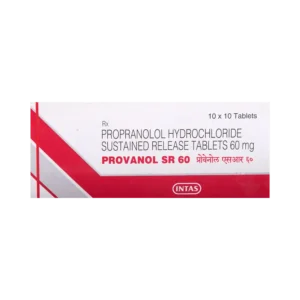
Provanol SR 60mg (Propranolol)
A$42.00 A$119.00Price range: A$42.00 through A$119.00
Next product

Varenismart Starter Kit (Varenicline)
A$57.40 A$145.60Price range: A$57.40 through A$145.60
A$35.00 A$86.80Price range: A$35.00 through A$86.80
In Stock
In Stock
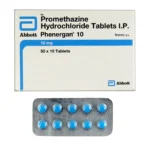
Phenergan (Promethazine)
| Pack Size | Price | Quantity | Add To Cart | |
|---|---|---|---|---|
| 100 Tablet/s | A$35.00 | |||
| 200 Tablet/s | A$63.00 | |||
| 300 Tablet/s | A$86.80 | |||
| Want to order in bulk / B2B price? Send Inquiry | ||||
×
Sorry!! Out of Stock
Sorry! Phenergan (Promethazine) is out of stock
Please click below to view other similar medications.
View All Promethazine Products
Offer You Can't Resist
Free Shipping
Enjoy Free Shipping on Orders above AUD304 (USD199)
Estimate Shipping :
07 June - 14 June
31
Best quality
Quality medicines at reasonable prices. Delivery was faster than expected, and everything arrived in perfect condition.
 Australia
May 24, 2026
Last Updated on May 13, 2026

Description
Phenergan (Promethazine): Uses, Benefits, and Precautions
Phenergan, also known by its generic name, Promethazine, is an often-prescribed medicine that has a range of applications, ranging from allergy relief to motion sickness reduction. Phenergan is a member of a class of medicines known as phenothiazines. Phenergan is renowned for its efficacy in treating a variety of ailments. The article will discuss the nature of Phenergan is what it is, how it operates with its applications, possible negative effects, as well as the most important safety precautions to be aware of.
What is Phenergan (Promethazine)?
Phenergan is the name used for Promethazine, a first-generation antihistamine. In contrast to the newer antihistamines, which predominantly inhibit H1 receptors in order to lessen allergies, Promethazine has additional properties that make it effective as a sedative, an antiemetic (prevents vomiting or nausea), and, in certain cases, as an adjunct to analgesia.
The versatility of Phenergan means Phenergan may be used for a variety of reasons, such as:
- The treatment of allergic reactions, such as hay fever, hives, or rhinitis
- Eliminating and preventing nausea and vomiting, which includes those due to motion sickness or operations
- Serving as a sedative, or helping to sleep in certain circumstances
- Treating symptoms of vertigo and dizziness
- Helping with anesthesia in the form of a treatment before surgery
How Does Phenergan Work?
Phenergan operates by blocking histamine H1 receptors inside the body. Histamine is a substance released in allergic reactions, which results in symptoms like swelling, itching, and a runny nose. By blocking histamine, Phenergan decreases the allergic reaction symptoms.
Furthermore, Promethazine also provides significant antiemetic effects due to its blocking of dopamine receptors within the brain’s vomiting centre and helps to prevent vomiting and nausea. The effects of sedation are connected to its effect upon the receptors of the central nervous system, which cause drowsiness as well as calming.
Common Uses of Phenergan
Allergy Relief
Phenergan helps in the reduction of the symptoms of allergic reactions. Examples include:
- Sneezing
- Itching of the nose or throat
- Runny nose
- Itchy or watery eyes
This medication is typically used when other antihistamines might not be appropriate or when sedative effects are needed.
Motion Sickness and Nausea
One of the main benefits of Phenergan is to prevent and treat motion sickness. The drug can also be prescribed to those suffering from nausea and vomiting due to chemotherapy, surgery, or other medical issues.
Sedation
Because of its sedative qualities, Phenergan may be used either before or after surgery to help patients relax or assist patients in getting to sleep. Phenergan is often utilized in emergencies for managing anxiety or agitation.
Other Uses
Promethazine is a non-prescription drug to treat:
- The treatment of symptoms of vertigo or dizziness
- Reducing the risk of allergic reactions to blood transfusions
- The relief of mild pain is possible in combination with other medicines
Dosage and Administration
Phenergan is available in various varieties, like tablets, syrups, suppositories, and injectable solutions. The dose varies based on the condition being treated, the age of the patient, and the patient’s response to the drug. It is essential to follow the instructions of the doctor prescribing you to ensure that you do not suffer from unwanted side effects and the risk of overdose.
For adults, dosages range between 12.5 mg and 25 mg once every 4 to 6 hours, but not more than 100 mg daily. Children’s dosage tends to be lower and should be carefully assessed by a health expert.
Side Effects of Phenergan
As with all medicines, Phenergan has potential side effects. Most commonly, they include:
- Drowsiness or sedation
- Dizziness or lightheadedness
- Dry mouth
- Blurred vision
- Constipation
- Confusion or nervousness (especially in elderly patients)
Less serious, but more common adverse effects could be:
- Respiratory depression (slow or difficult breathing)
- Severe allergic reactions (rash, swelling, difficulty breathing)
- Extrapyramidal symptoms (involuntary muscle movements)
- Low blood pressure
If you experience severe reactions, consult a doctor immediately.
Precautions and Warnings
Not for Young Children
Phenergan is generally not recommended when a child is less than 2 years old or older due to the possibility of developing severe respiratory depression. The use of Phenergan in children aged between two and six years old should be closely monitored.
Avoid Alcohol and CNS Depressants
Since Phenergan produces drowsiness in the body, pairing it with alcohol or any other central nervous system stimulants could increase sedative effects and raise the chance of adverse side effects that can be dangerous.
Medical Conditions
People with certain medical issues must be cautious when using Phenergan or stay clear of it completely. This includes:
- Acute respiratory problems like asthma or chronic obstructive lung disease (COPD)
- Glaucoma
- Enlarged prostate or urinary retention issues
- Heart conditions
- Seizure disorders
Pregnancy and Breastfeeding
Phenergan is classified as a prenatal class C drug. This means the safety of this drug during pregnancy isn’t fully understood. The drug should only be taken in situations of need and when approved by a medical professional. It could be absorbed into breast milk. So nursing mothers must consult with their physician prior to taking it.
Interactions with Other Drugs
Phenergan may interact with other medicines, and this could raise the chance of adverse reactions or affect its efficacy. There are a few interactions that can occur:
- Sedatives, sleeping pills, or tranquilizers
- Antidepressants or antipsychotic drugs
- Other antihistamines
- Alcohol
- Certain pain medications such as opioids
Make sure you inform your doctor of the medications and supplements that you take prior to starting Phenergan.
Frequently Asked Questions (FAQs)
Q1: Is Phenergan safe for children?
Phenergan is to be taken at a moderate dose in children. It is usually not recommended for children under 2 years old. Older due to the possibility of breathing problems. The dosage and usage should be checked by a physician.
Q2: Can I drive or operate heavy machinery while taking Phenergan?
No, it’s not; Phenergan often causes drowsiness and dizziness. Do not drive or operate heavy machines until you are aware of what effects the drug has on you.
Q3: How long does it take for Phenergan to work?
Phenergan generally begins working in 20 to 60 minutes after administration by mouth, dependent the type of medication used as well as the individual circumstances.
Q4: Can I drink alcohol while on Phenergan?
It is highly recommended not to drink alcohol while using Phenergan, as alcohol may cause drowsiness as well as other adverse effects.
Q5: What should I do if I miss a dose?
Do not miss a dose whenever you remember, unless it’s near the date of the next dose. Don’t double your dose to make up for.
Q6: Are there any alternatives to Phenergan?
Yes, sure, there are additional Antihistamines and antiemetics that are available, including diphenhydramine, meclizine, or ondansetron. The doctor you consult with will recommend the right solution for you.
Conclusion
Phenergan (Promethazine) is a multi-faceted medication that can be used to treat nausea, allergy, motion sickness, and for sedation. The effectiveness of Phenergan is contingent upon the need for careful usage, particularly due to the sedative effects and possible adverse consequences. Follow your doctor’s guidelines and report any suspicious signs immediately.
If you or your loved one has been prescribed Phenergan for treatment, understanding what it does, the potential hazards, and security measures will allow you to use the drug safely and effectively. When properly used, Phenergan can significantly improve health and quality of life for people who suffer from nausea, allergies, and a variety of other similar ailments.
Related products









Recently Viewed








Reviews
There are no reviews yet.