

Rifagut 550mg (Rifaximin)
Previous product
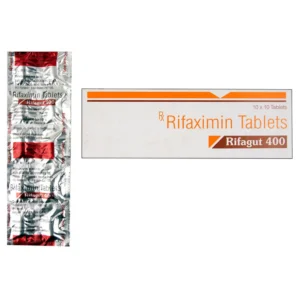
Rifagut 400mg (Rifaximin)
A$53.34 A$101.07Price range: A$53.34 through A$101.07
Next product
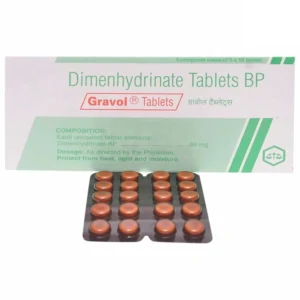
Gravol (Dimenhydrinate)
A$21.06 A$35.10Price range: A$21.06 through A$35.10
A$120.73 A$189.51Price range: A$120.73 through A$189.51
In Stock
In Stock
Rifagut 550mg (Rifaximin)
| Pack Size | Price | Quantity | Add To Cart | |
|---|---|---|---|---|
| 90 Tablet/s | A$120.73 | |||
| 120 Tablet/s | A$157.23 | |||
| 150 Tablet/s | A$189.51 | |||
| Want to order in bulk / B2B price? Send Inquiry | ||||
×
Sorry!! Out of Stock
Sorry! Rifagut 550mg (Rifaximin) is out of stock
Please click below to view other similar medications.
View All Rifaximin Products
Offer You Can't Resist
Free Shipping
Enjoy Free Shipping on Orders above AUD304 (USD199)
Estimate Delivery :
21 October - 28 October
32
Excellent service overall
Smooth checkout, quick dispatch, and secure delivery. Excellent service overall
 Australia
October 1, 2026
Last Updated on May 18, 2026

Description
Rifagut 550mg (Rifaximin): A Comprehensive Guide to Uses, Benefits, and Precautions
The use of antibiotics has revolutionized medicine through their ability to treat illnesses that used to cause serious illness and even death. One of them is Rifaximin, which is known as Rifagut 500 mg, and is gaining considerable attention because of its distinct characteristics and specific uses. The following blog post will go over the essential information you should be aware of about Rifagut 550mg, starting with what it’s about what it is, to how it operates and how it is used, to its dosage and side effects, to precautions and guidelines for use in a safe manner.
What is Rifagut 550mg (Rifaximin)?
Rifagut is a trademark used to refer to Rifaximin, one of the broad-spectrum antibiotics belonging to the class of rifamycin. It’s a semi-synthetic antimicrobial that is derived from rifamycin SV. What differentiates rifaximin from the other antibiotics is the low absorption into the system when administered orally, which means it is mainly within the digestive tract. This is why it’s particularly efficient in the treatment of infections that are localized in the gut, while also reducing the effects on the system.
Rifaximin acts by preventing the synthesis of RNA by bacteria, thus hindering the growth and development of bacteria. It is found within the intestinal tract and exerts an incredibly local influence on the microbiota of the gut.
Mechanism of Action
Rifaximin functions by binding to the beta-subunit in the bacterial DNA-dependent RNA polymerase. The binding hinders the conversion of DNA from bacterial cells into RNA, which is a crucial step to produce proteins and also replication by bacterial. In the end, Rifaximin stops the proliferation of bacteria. This results in the end of bacterial life or inhibiting the growth.
Its broad-spectrum action comprises a wide range of Gram-positive and Gram-negative anaerobic and aerobic bacteria. But because of its low absorption, it is primarily absorbed by the digestive tract.
Indications and Uses of Rifagut 550 mg
Rifaximin is a medication used to treat various gastrointestinal conditions and illnesses, which include:
Traveler’s Diarrhea
Traveler’s diarrhea can be due to enterotoxigenic Escherichia coli (ETEC) and other bacteria that are encountered while traveling, particularly to less developed nations. Rifagut 550 mg has been approved by the FDA to treat traveler’s diarrhea that is caused by non-invasive strains of E. coli.
Irritable Bowel Syndrome with Diarrhea (IBS-D)
IBS is a well-known digestive disorder that is characterized by abdominal pain as well as altered regular bowel movements. Rifaximin helps relieve the symptoms associated with IBS that cause diarrhea and constipation, possibly by altering the microbiota of the gut and decreasing dysbiosis or bacterial growth.
Hepatic Encephalopathy Prevention
Patients suffering from chronic liver diseases, especially cirrhosis can accumulate in the bloodstream and trigger the condition known as hepatic chronic encephalopathy, which is a decrease in the brain’s function. Rifaximin reduces the production of ammonia in intestinal bacteria, which reduces the possibility of repeat episodes of hepatic encephalopathy.
Small Intestinal Bacterial Overgrowth (SIBO)
SIBO is the result of an excess of microbes in the small intestine that can trigger symptoms including bloating and gas, and diarrhoea. Rifaximin is often given off-label to limit bacterial growth and alleviate symptoms.
Other Uses (Off-label)
Clostridium difficile infections (as an adjunct treatment)
Infectious diarrhea is caused by other species of bacteria
Certain instances of inflammatory bowel diseases (as part of a bundled treatment)
Dosage and Administration
The dose of Rifagut 500 mg is dependent on the illness which is being treated:
- Traveler’s Diarrhea: 500 mg twice a day orally for three days.
- IBS-D: 5500 mg taken orally 3 times a day for 14 days. Patients may need to repeat therapy courses depending on the occurrence of symptom flare-ups.
- Hepatic Encephalopathy: 550 mg, twice daily, typically used for long-term prevention of repeat.
- SIBO: Dosage varies; usually the dosage is 550 mg, two or three times per day over a period of 10-14 days.
Administration tips:
- Rifaximin tablets can be taken either with or without food.
- Make sure you drink enough water during treatment.
- Be sure to adhere strictly to the recommended period to limit the chance of developing resistance.
- Do not self-medicate for infections that aren’t confirmed.
Advantages of Rifagut (Rifaximin)
- Minimal Systemic Absorption: Because rifaximin is primarily in the intestine, it has fewer systemic adverse reactions when compared with oral antibiotics that are absorbed into bloodstreams.
- Broad Spectrum: Effective against both aerobic and anaerobic bacteria in the GI tract.
- Low Resistance Development: Rifaximin exhibits low rates of bacterial resistance due to its specific mechanism, as well as the limitation of total exposure.
- Well Tolerated: The majority of patients are tolerant to rifaximin, which has fewer negative effects.
- Improves Gut Health: Particularly in IBS-D and SIBO In particular, rifaximin may help ameliorate symptoms by altering your gut flora positively.
Side Effects of Rifagut 550 mg
Although rifaximin is typically non-toxic, adverse reactions can happen:
Common Side Effects
- Nausea
- Abdominal pain or discomfort
- Flatulence (gas)
- Headache
- Fatigue
Less Common / Rare Side Effects
- Allergic reactions: rash, itching, swelling
- Clostridium difficile-associated diarrhea (rare but serious)
- Elevated liver enzymes (rare)
- Peripheral edema (swelling)
The majority of side effects are not serious and disappear once treatment is stopped.
Precautions and Contraindications
- Allergy: Avoid using if you are sensitive to rifaximin or any of the other derivatives of rifamycin (e.g., Rifampin).
- Pregnancy and Breastfeeding: The safety of breastfeeding during pregnancy isn’t well understood. It is recommended to only use it if required and recommended by a medical professional.
- Severe Liver Impairment: Be cautious in patients suffering from serious liver disease.
- Clostridium difficile Risk: The use of antibiotics such as rifaximin could cause an excessive growth of C. difficile, which can cause extreme colitis and diarrhea.
- Renal Impairment: A dose adjustment is not usually required. However, caution is recommended.
Drug Interactions
Rifaximin is a low-dose systemic antibiotic, which means it has fewer interactions with drugs compared to other antibiotics. But some interactions include:
- Cyclosporine: Cyclosporine levels may increase, and monitor them accordingly.
- Warfarin: There is limited evidence, but caution is recommended due to the possibility of interaction with gut bacteria that can affect vitamin K production.
- Other antibiotics: The use of concurrently can affect the balance of gut flora.
Special Considerations for Use
Antibiotic Stewardship
To avoid resistance to antibiotics, rifaximin must be taken only in approved dosages and under medical surveillance.
Not for Systemic Infections
Because of its poor absorption, Rifaximin may not be recommended for the treatment of systemic illnesses outside of the GI tract.
Repeated Courses
If you suffer from IBS-D, repeated courses are sometimes required; however, they should be supervised by a doctor.
Avoid Alcohol
Patients must avoid drinking alcohol while they are treatments to minimize stress on the liver and risk of side effects.
How Does Rifagut Compare to Other Antibiotics?
In contrast to other antibiotics like metronidazole or ciprofloxacin, rifaximin’s low absorption in the system lets it target digestive infections, without the wide adverse effects on the body’s systems. It results in fewer side effects and less disruption to the normal balance of microbial activity in your body.
Patient Tips for Using Rifagut 550 mg
- Always follow the complete course even if your symptoms start to improve.
- Keep hydrated to lessen the effects of gastrointestinal problems.
- Inform the doctor if you experience severe diarrhea or indications of an allergy immediately.
- Check in with your physician for any symptoms that persist or become worse.
- Be sure to discuss any medications you are taking with your physician to prevent interactions.
Conclusion
Rifagut 550 mg (Rifaximin) is a multi-faceted and efficient antibiotic used for treating a variety of gastrointestinal disorders, which include traveler’s diarrhoea, IBS-D, hepatic the prevention of encephalopathy, as well as SIBO. The unique mechanism of the drug, its low absorption into the system, and its broad-spectrum antibacterial activity make it a crucial device in today’s gastrointestinal therapies.
Through understanding the proper usage and dosage guidelines, as well as potential adverse reactions and the need for precautions, patients are able to benefit from Rifagut for managing their health issues and enhancing their lives.
Additional Information
| Manufacturer | Sun Pharmaceutical Industries Ltd |
|---|---|
| Pharmaceutical | Tablet/s |
| Strength | 550 mg |
| Pack Size | 120 Tablet/s, 150 Tablet/s, 90 Tablet/s |
Related products
Recently Viewed



Reviews
There are no reviews yet.