
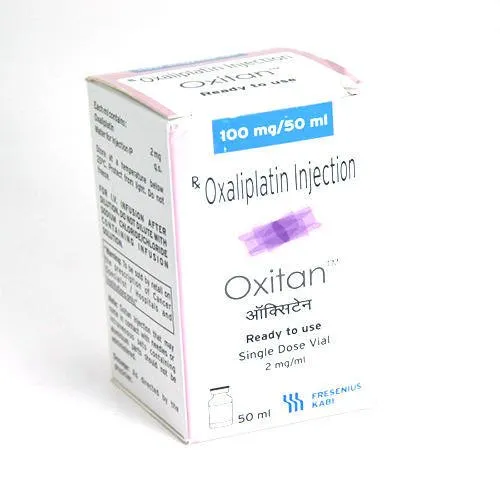
Oxitan 50ml (Oxaliplatin)
Previous product

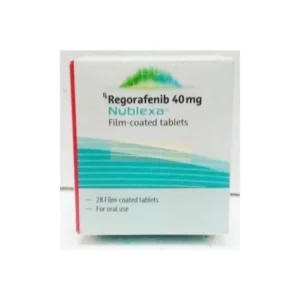
Nublexa 40mg (Regorafenib)
A$790.00 A$2,345.00Price range: A$790.00 through A$2,345.00
Next product


Palbace 125mg (Palbociclib)
A$2,300.00 A$6,600.00Price range: A$2,300.00 through A$6,600.00
A$24.00 A$139.00Price range: A$24.00 through A$139.00
In Stock
In Stock
Oxitan 50ml (Oxaliplatin)
| Pack Size | Price | Quantity | Add To Cart | |
|---|---|---|---|---|
| 1 Injection | A$24.00 | |||
| 2 Injection/s | A$73.00 | |||
| 6 Injection/s | A$139.00 | |||
| Want to order in bulk / B2B price? Send Inquiry | ||||
×
Sorry!! Out of Stock
Sorry! Oxitan 50ml (Oxaliplatin) is out of stock
Please click below to view other similar medications.
View All Oxaliplatin Products
Offer You Can't Resist
Free Shipping
Enjoy Free Shipping on Orders above AUD304 (USD199)
Estimate Delivery :
17 October - 24 October
41
Excellent service overall
Smooth checkout, quick dispatch, and secure delivery. Excellent service overall
 Australia
October 1, 2026
Last Updated on May 05, 2026

Description
Introduction
Oxitan 50ml contains Oxaliplatin, a chemotherapy medication primarily used in the treatment of certain types of cancer. It is a platinum-based compound with unique properties that make it highly effective in targeting cancer cells. Oxaliplatin is commonly used in combination with other chemotherapy drugs such as fluorouracil (5-FU) and leucovorin, especially in the treatment of colorectal cancer.
This article provides a comprehensive overview of Oxitan 50ml, including its uses, mechanism of action, benefits, side effects, administration, and frequently asked questions.
What is Oxitan 50ml (Oxaliplatin)?
Oxitan 50ml is an injectable formulation of Oxaliplatin, a cytotoxic (cell-killing) chemotherapy drug. It works by interfering with the DNA of cancer cells, preventing them from multiplying and ultimately causing their death.
As a third-generation platinum compound, Oxaliplatin is particularly effective in treating solid tumors that may not respond well to other treatments.
It is mainly used in:
- Metastatic colorectal cancer (Stage III and IV)
- Adjuvant treatment after colorectal cancer surgery
- Certain gastrointestinal cancers such as stomach, pancreatic, and esophageal cancers
How Does Oxitan Work?
Oxaliplatin works by binding to the DNA of cancer cells. The platinum component forms cross-links within DNA strands, preventing replication and transcription.
This disruption stops cancer cells from dividing and growing, eventually leading to cell death.
Unlike older platinum drugs such as cisplatin and carboplatin, Oxaliplatin is designed to overcome resistance mechanisms in cancer cells, making it particularly effective in colorectal cancer treatment.
Indications for Oxitan
Oxitan (Oxaliplatin) is prescribed for:
1. Metastatic Colorectal Cancer
It is most commonly used in advanced colorectal cancer, often as part of the FOLFOX regimen (Oxaliplatin + 5-FU + leucovorin).
2. Adjuvant Therapy
Used after surgery in Stage III colorectal cancer to reduce the risk of recurrence.
3. Gastrointestinal Cancers
It may also be used in cancers of the:
- Stomach
- Pancreas
- Esophagus
Administration of Oxitan 50ml
- Administered via intravenous (IV) infusion
- Infusion duration: 2 to 6 hours
- Given under strict medical supervision
- Usually administered in a hospital or oncology clinic
Dosage
- Based on body surface area (BSA)
- Depends on cancer type and patient condition
- Often given once every 2 weeks
Patients may receive anti-nausea medications and corticosteroids before infusion to reduce side effects.
Common Side Effects of Oxitan 50ml
Like most chemotherapy drugs, Oxitan may affect both cancerous and healthy cells, leading to side effects.
Common Side Effects:
- Nausea and vomiting
- Fatigue and weakness
- Diarrhea or constipation
- Low blood cell counts (anemia, infection risk, bleeding)
- Mouth sores and sore throat
Notable Side Effect:
- Peripheral neuropathy
- Tingling, numbness, or pain in hands and feet
- Can be temporary or long-lasting
Less Common but Serious Effects:
- Allergic reactions (rash, swelling, breathing difficulty)
- Severe infections due to low immunity
- Significant drop in blood counts
Patients should immediately report any severe or persistent symptoms to their doctor.
Precautions and Warnings
Before starting Oxitan, consider the following:
1. Pre-existing Neuropathy
Patients with nerve-related conditions may experience worsening symptoms.
2. Kidney and Liver Function
Regular monitoring is required as the drug may affect these organs.
3. Pregnancy and Breastfeeding
- Not safe during pregnancy
- Can harm the developing fetus
- Breastfeeding is not recommended during treatment
4. Drug Interactions
Inform your doctor about:
- Prescription medications
- Over-the-counter drugs
- Herbal supplements
Benefits of Oxitan 50ml
- Effective in advanced colorectal cancer
- Helps reduce tumor growth
- Improves survival rates when used in combination therapy
- Works even in some drug-resistant cancers
Conclusion
Oxitan 50ml (Oxaliplatin) is a powerful chemotherapy medication widely used in the treatment of colorectal and other gastrointestinal cancers. Its ability to disrupt cancer cell DNA makes it an essential part of modern oncology treatment regimens such as FOLFOX.
Although it can cause side effects, careful monitoring and proper medical supervision can help manage them effectively. With the right treatment plan, Oxitan significantly improves outcomes and quality of life for many cancer patients.
Frequently Asked Questions (FAQs)
1. How long does an Oxitan infusion take?
An Oxitan infusion typically takes 2 to 6 hours, depending on the treatment protocol.
2. Can Oxitan be used for cancers other than colorectal cancer?
Yes, it is also used in stomach, pancreatic, and esophageal cancers.
3. What should I do if I experience side effects?
Contact your doctor immediately, especially if symptoms are severe or persistent.
4. How is Oxitan administered?
It is given through intravenous (IV) infusion under medical supervision.
5. Can I drive after receiving Oxitan?
Avoid driving if you experience dizziness, fatigue, or neuropathy symptoms.
6. Is Oxitan effective for all cancers?
No, it is primarily effective for colorectal and certain gastrointestinal cancers and is often used in combination therapy.
Additional Information
| Manufacturer | Fresenius Kabi |
|---|---|
| Pharmaceutical | Injection/s |
| Strength | 50mg/25ml |
| Pack Size | 1 Injection/s, 3 Injection/s, 6 injection/s |
Related products
Reviews
There are no reviews yet.