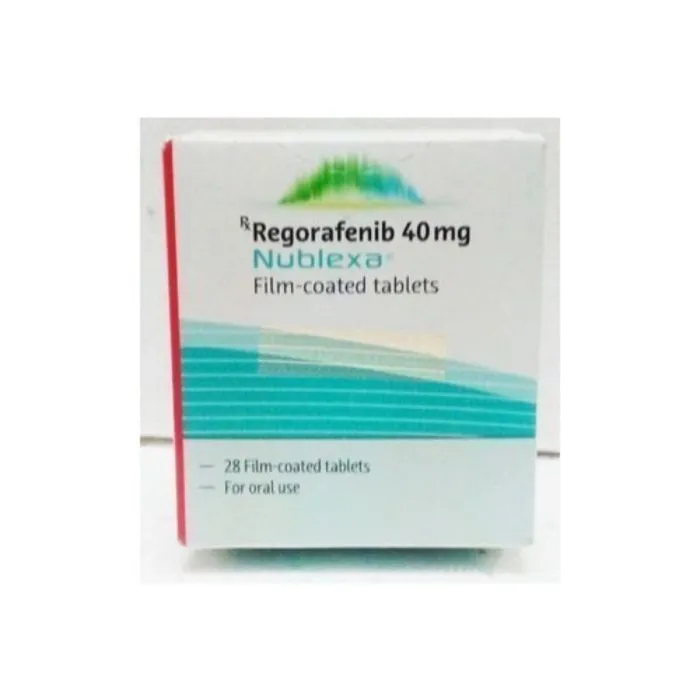
Nublexa 40mg (Regorafenib): An Overview
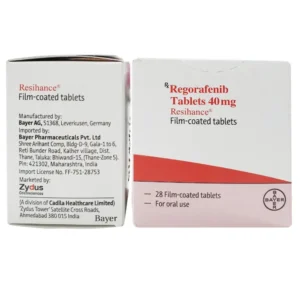
Nublexa 40mg is a prescription medication that contains Regorafenib, an oral multi-kinase inhibitor used in the treatment of certain advanced cancers. It works by targeting multiple pathways involved in cancer cell growth, tumor progression, and the formation of new blood vessels (angiogenesis). By blocking these pathways, Nublexa helps slow down or stop the spread of cancer.
This medication has been approved by major regulatory authorities such as the U.S. Food and Drug Administration (FDA) and the European Medicines Agency (EMA). It is typically prescribed for patients with advanced-stage cancers that have not responded to standard treatments. Nublexa is commonly used in colorectal cancer, liver cancer, and gastrointestinal stromal tumors when other therapies are no longer effective.
This guide provides a clear and comprehensive understanding of Nublexa 40mg, including its mechanism of action, uses, dosage, side effects, precautions, and frequently asked questions.
Mechanism of Action
Regorafenib is a multi-kinase inhibitor, meaning it blocks several protein kinases that are essential for tumor growth and survival. Kinases are enzymes that regulate important cellular processes such as cell division, growth, and blood vessel formation.
Regorafenib works by targeting multiple signaling pathways involved in cancer development, including:
- VEGFR (Vascular Endothelial Growth Factor Receptor): Inhibition reduces the formation of new blood vessels that tumors need to grow
- KIT: A receptor involved in cell growth and survival
- PDGFR (Platelet-Derived Growth Factor Receptor): Plays a role in tumor growth and angiogenesis
- RAF pathway: Involved in cell division and tumor progression
By blocking these pathways, Nublexa reduces tumor growth, limits blood supply to cancer cells, and helps control disease progression.
Indications
Nublexa 40mg is used to treat several types of advanced cancers:
Metastatic Colorectal Cancer (mCRC)
It is prescribed for patients whose colorectal cancer has spread and who have already received standard treatments such as chemotherapy (including fluoropyrimidine, oxaliplatin, and irinotecan).
Hepatocellular Carcinoma (HCC)
Nublexa is used in liver cancer patients who have previously been treated with sorafenib. It helps slow disease progression in advanced stages.
Gastrointestinal Stromal Tumors (GIST)
It is effective in patients with GIST who have not responded to treatments like imatinib or sunitinib.
Other Potential Uses
Regorafenib is also being studied for other cancers such as kidney cancer and soft tissue sarcomas, although these uses may not yet be widely approved.
Dosage and Administration
Nublexa (Regorafenib) is taken orally in tablet form. The standard dosing schedule is:
- Starting Dose: 160 mg once daily (four 40mg tablets)
- Treatment Cycle: Taken for 3 weeks, followed by a 1-week break (4-week cycle)
Administration Guidelines
- Take the tablets with food and a glass of water
- Swallow tablets whole; do not crush or chew
- Take the medication at the same time each day
Missed Dose
If you miss a dose, skip it and take the next dose at the regular time. Do not take a double dose to make up for the missed one.
Dose Adjustments
Doctors may reduce the dose if side effects occur. The exact dose depends on the patient’s tolerance and overall health condition.
Special Considerations
- Liver Function: Since the drug is processed in the liver, patients with liver disease require close monitoring
- Kidney Function: Use cautiously in patients with severe kidney problems
Side Effects
Like all cancer medications, Nublexa may cause side effects. Some are mild, while others can be serious.
Common Side Effects
- Fatigue or weakness
- Nausea, vomiting, or diarrhea
- Loss of appetite
- Skin reactions (especially hand-foot syndrome causing redness, pain, or peeling)
- High blood pressure
- Mouth sores
Serious Side Effects
- Liver Toxicity: Symptoms include yellowing of skin/eyes, dark urine, and abdominal pain
- Severe Bleeding: Increased risk of internal bleeding
- Heart Problems: Reduced blood flow or heart complications
- Delayed Wound Healing: May affect recovery after surgery
If any severe symptoms occur, immediate medical attention is necessary.
Precautions
Before starting Nublexa, discuss your medical history with your doctor. Important precautions include:
- Pregnancy: Not safe during pregnancy; may harm the unborn baby
- Liver Disease: Avoid or use with caution in severe liver impairment
- Blood Pressure: Regular monitoring is required due to risk of hypertension
- Surgery: Inform your doctor if you have upcoming surgery, as healing may be affected
Drug Interactions
Regorafenib can interact with other medications, potentially increasing side effects or reducing effectiveness. Important interactions include:
- Anticoagulants (e.g., warfarin): Increased risk of bleeding
- Diuretics: May worsen kidney function or dehydration
- Corticosteroids: Increased risk of gastrointestinal complications
- Blood pressure medications: Effectiveness may be reduced
Always inform your healthcare provider about all medicines, supplements, or herbal products you are taking.
Frequently Asked Questions (FAQs)
1. What is Nublexa used for?
Nublexa is used to treat advanced cancers such as metastatic colorectal cancer, liver cancer, and gastrointestinal stromal tumors.
2. How should I take Nublexa?
Take it once daily with food, following the 3-weeks-on, 1-week-off cycle as prescribed.
3. Can Nublexa be taken with other medications?
Yes, but only under medical supervision, as it may interact with several drugs.
4. What are the common side effects?
Common effects include fatigue, diarrhea, skin reactions, and mouth sores.
5. Is Nublexa safe during pregnancy?
No, it is not safe and should be avoided during pregnancy.
6. How long will treatment continue?
Treatment duration depends on how well the patient responds and tolerates the medication.
Conclusion
Nublexa 40mg (Regorafenib) is an advanced cancer treatment that works by blocking multiple pathways involved in tumor growth and spread. It is particularly useful in patients who have not responded to standard therapies. While it offers significant benefits in controlling cancer progression, it also carries the risk of serious side effects.
Careful monitoring, proper dosage, and regular consultation with a healthcare provider are essential for safe and effective treatment. Patients should strictly follow medical advice and report any unusual symptoms promptly to ensure the best possible outcomes.


 Australia









Reviews
There are no reviews yet.