

Oxitan 100mg/25ml (Oxaliplatin)
Previous product
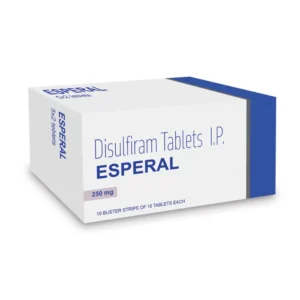
Esperal 250mg (Disulfiram)
A$46.21 A$103.97Price range: A$46.21 through A$103.97
Next product
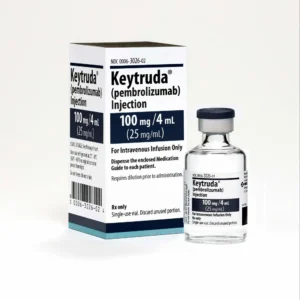
Keytruda 100mg/4ml (Pembrolizumab)
A$5,776.00 A$16,606.00Price range: A$5,776.00 through A$16,606.00
A$67.87 A$395.66Price range: A$67.87 through A$395.66
In Stock
| Manufacturer | Fresenius Kabi |
In Stock
Oxitan 100mg/25ml (Oxaliplatin)
| Pack Size | Price | Quantity | Add To Cart | |
|---|---|---|---|---|
| 1 Injection/s | A$67.87 | |||
| 3 Injection/s | A$200.72 | |||
| 6 Injection/s | A$395.66 | |||
| Want to order in bulk / B2B price? Send Inquiry | ||||
×
Sorry!! Out of Stock
Sorry! Oxitan 100mg/25ml (Oxaliplatin) is out of stock
Please click below to view other similar medications.
View All Oxaliplatin Products

Offer You Can't Resist
Free Shipping
Enjoy Free Shipping on Orders above AUD304 (USD199)
Estimate Shipping :
10 September - 17 September
42
Trusted Service
Good experience overall. The team was responsive, the ordering process was simple, and I received clear information about my shipment. Professional service and good customer support.
 Australia
August 16, 2026
Last Updated on May 05, 2026

Description
Introduction
Colorectal Cancer is one of the most commonly diagnosed cancers worldwide. It affects the colon or rectum and can spread to other parts of the body if not treated effectively. Advances in chemotherapy have significantly improved survival rates, and one of the key drugs used in modern cancer treatment is Oxaliplatin, marketed under brand names like Oxitan 100mg/25ml.
Oxitan 100mg/25ml is a chemotherapy injection widely used in combination with other anticancer medicines to treat colorectal cancer. This detailed guide explains everything about Oxitan—its uses, mechanism, benefits, dosage, side effects, and precautions.
What is Oxitan 100mg/25ml?
Oxitan 100mg/25ml is a sterile injectable chemotherapy medication that contains:
- Oxaliplatin 100mg in 25ml solution
It belongs to a class of drugs known as platinum-based antineoplastic agents, which are designed to destroy cancer cells and prevent their growth and spread.
This medication is typically administered in a hospital or oncology clinic under the supervision of a trained healthcare professional.
How Does Oxitan (Oxaliplatin) Work?
Oxaliplatin works by interfering with the DNA of cancer cells.
Mechanism of Action:
- Forms cross-links within DNA strands
- Prevents DNA replication and transcription
- Disrupts cell division
- Leads to cancer cell death (apoptosis)
Unlike normal cells, cancer cells divide rapidly, making them more vulnerable to this type of treatment.
Medical Uses of Oxitan 100mg/25ml
1. Colorectal Cancer
The primary use of Oxitan is in treating advanced or metastatic colorectal cancer.
2. Adjuvant Therapy
It is used after surgery to eliminate remaining cancer cells and reduce recurrence risk.
3. Combination Chemotherapy
Often used with:
- Fluorouracil (5-FU)
- Leucovorin
This combination is commonly known as the FOLFOX regimen.
Benefits of Oxitan 100mg/25ml
1. Effective Tumor Reduction
Oxaliplatin helps shrink tumors and slow cancer progression.
2. Improved Survival Rates
Combination therapy has shown improved survival outcomes in colorectal cancer patients.
3. Prevents Recurrence
Used after surgery to reduce the risk of cancer returning.
4. Works in Resistant Cases
Effective even in patients who do not respond to other chemotherapy drugs.
Dosage and Administration
Administration:
- Given as an intravenous (IV) infusion
- Administered in a clinical setting
Typical Dosage:
- Based on body surface area (BSA)
- Usually given every 2 weeks as part of combination therapy
Duration:
- Treatment cycles depend on cancer stage and patient response
Important Notes:
- Must be administered by trained professionals
- Dose adjustments may be required based on side effects
Possible Side Effects
Like all chemotherapy drugs, Oxitan may cause side effects.
Common Side Effects:
- Nausea and vomiting
- Diarrhea
- Fatigue
- Loss of appetite
- Mouth sores
Neurological Side Effects:
- Peripheral neuropathy (tingling, numbness in hands and feet)
- Sensitivity to cold (a unique side effect of oxaliplatin)
Blood-Related Effects:
- Low white blood cell count (infection risk)
- Low platelet count (bleeding risk)
- Anemia
Serious Side Effects:
- Severe allergic reactions
- Breathing difficulties
- Severe neuropathy
- Liver toxicity
Immediate medical attention is required for serious symptoms.
Unique Side Effect: Cold Sensitivity
Oxaliplatin is known for causing acute cold-induced neuropathy.
Symptoms:
- Tingling in throat when drinking cold liquids
- Sensitivity to cold air
- Difficulty swallowing
Prevention:
- Avoid cold drinks and foods
- Keep warm during treatment
Precautions and Warnings
1. Kidney and Liver Function
Regular monitoring is necessary.
2. Pregnancy
Not safe during pregnancy—may harm the fetus.
3. Breastfeeding
Avoid during treatment.
4. Infection Risk
Due to low white blood cells, avoid crowded places and infections.
5. Driving and Activities
Avoid if experiencing dizziness or neuropathy.
Who Should Avoid Oxitan?
Do not use if:
- Allergic to platinum-based drugs
- Severe kidney impairment
- Pregnant or planning pregnancy
Drug Interactions
Oxitan may interact with:
- Other chemotherapy agents
- Blood thinners
- Immunosuppressants
Always inform your oncologist about all medications.
Monitoring During Treatment
Patients receiving Oxitan require:
- Regular blood tests
- Kidney and liver function tests
- Neurological assessments
- Cancer progression monitoring
Lifestyle and Supportive Care
Nutrition:
- Eat a balanced, protein-rich diet
- Stay hydrated
Infection Prevention:
- Maintain hygiene
- Avoid sick contacts
Managing Side Effects:
- Use anti-nausea medications
- Report symptoms early
FAQs
1. What is Oxitan used for?
Primarily for colorectal cancer treatment.
2. Is Oxitan painful?
It is given via IV; some discomfort may occur.
3. Can side effects be reversed?
Some, like neuropathy, may improve after stopping treatment.
4. How long does treatment last?
Depends on cancer stage and response.
5. Can I work during treatment?
Depends on your health and side effects.
Advantages of Oxitan
- Proven effectiveness in colorectal cancer
- Works in combination therapies
- Improves survival rates
- Reduces recurrence risk
Limitations
- Requires hospital administration
- Can cause significant side effects
- Needs close monitoring
Conclusion
Oxitan 100mg/25ml (Oxaliplatin) is a cornerstone chemotherapy drug in the treatment of colorectal cancer. Its ability to interfere with cancer cell DNA makes it highly effective in slowing disease progression and improving survival rates.
While it comes with potential side effects, careful monitoring and supportive care can help manage them effectively. When used as part of a comprehensive cancer treatment plan, Oxitan plays a vital role in improving patient outcomes.
Additional Information
| Pack Size | 1 Injection/s, 3 Injection/s, 6 Injection/s |
|---|
Related products

Recently Viewed

Reviews
There are no reviews yet.