
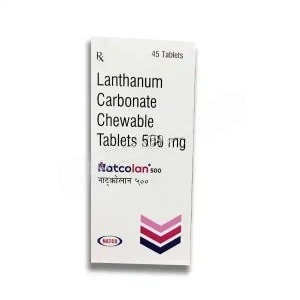
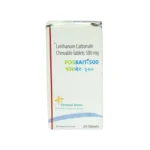
Natcolan 500mg (Lanthanum Carbonate)
Previous product
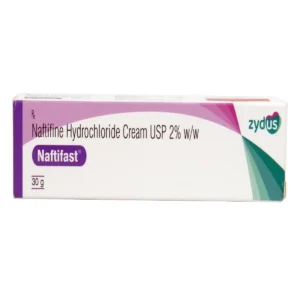
Naftifast 2% Cream (Naftifine Hydrochloride)
A$18.00 A$70.00Price range: A$18.00 through A$70.00
Next product
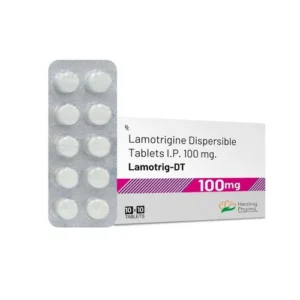
Lamotrig 100mg DT (Lamotrigine)
A$35.00 A$83.70Price range: A$35.00 through A$83.70
A$38.00 A$124.56Price range: A$38.00 through A$124.56
In Stock
In Stock
Natcolan 500mg (Lanthanum Carbonate)
| Pack Size | Price | Quantity | Add To Cart | |
|---|---|---|---|---|
| 45 Tablet/s | A$38.00 | |||
| 90 Tablet/s | A$69.20 | |||
| 180 Tablet/s | A$124.56 | |||
| Want to order in bulk / B2B price? Send Inquiry | ||||
×
Sorry!! Out of Stock
Sorry! Natcolan 500mg (Lanthanum Carbonate) is out of stock
Please click below to view other similar medications.
View All Lanthanum Carbonate Products
Offer You Can't Resist
Free Shipping
Enjoy Free Shipping on Orders above AUD304 (USD199)
Estimate Delivery :
19 October - 26 October
45
Great customer service
Great customer service and a straightforward ordering process. I’m very satisfied
 Australia
September 28, 2026
Last Updated on April 30, 2026

Description
Natcolan 500mg (Lanthanum Carbonate)
Natcolan is an anti-inflammatory medication that contains Lanthanum Carbonate as the active component. It is used for the treatment of hyperphosphatemia (elevated levels of phosphate) in people suffering from chronic kidney disease (CKD), particularly patients who are undergoing dialysis. Lanthanum Carbonate works as a phosphate binder that prevents the absorption of phosphate by the digestive tract into the bloodstream. This assists in reducing the increased phosphate levels, which can be seen in kidney disease patients, and reduces the risk of developing complications such as bone disease or vascular calcification.
Overview of Lanthanum Carbonate:
Lanthanum Carbonate is a binder for phosphate, which binds with dietary acid in the digestive tract in order to block it from absorption. This is crucially important in those suffering from kidney disease, as kidneys can’t be as capable of excreting phosphate if they’re not working properly.
Mechanism of Action:
Lanthanum Carbonate works by binding the phosphate within the gut and forming an insoluble compound. The resulting complex gets eliminated through the feces, which prevents the phosphate from reaching the bloodstream. Reducing the absorption of phosphates, this helps to maintain regular levels of serum phosphate, which are vital in the prevention of complications from hyperphosphatemia.
Indications for Natcolan (Lanthanum Carbonate):
Hyperphosphatemia in Chronic Kidney Disease (CKD): Patients suffering from CKD, especially those who are on dialysis are more susceptible to high levels of phosphate because their kidneys aren’t able to adequately remove and eliminate the phosphate. A rise in phosphate levels could cause blood vessel calcification, bone mineral problems, and various cardiovascular problems. Lanthanum Carbonate helps control this through binding the phosphate.
Dialysis Patients: Lanthanum Carbonate is typically recommended for patients suffering from end-stage kidney disease that is end-stage (ESKD) who are taking dialysis, hemodialysis, or even peritoneal dialysis. The dialysis process alone might not be enough for controlling the levels of phosphate; binding agents for phosphate, such as Lanthanum Carbonate, are often used together with dialysis.
Dosing and Administration:
Dosage:
The recommended starting dose of Natcolan 500 mg (Lanthanum Carbonate) is 500mg up to 1,500 mg daily, dependent upon the phosphate level of the patient and their reaction to the treatment. The dose is typically given in divided doses in conjunction with meals, to increase the interaction of the food metal phosphate.
Initial Dosing: The treatment usually begins at 500 mg/meal and gradually increases, but adjustments are to be made according to the levels of serum phosphate.
Maintenance Dose: The average dose is 1500 mg to 3,000 mg daily according to the needs of each patient, as well as the control of phosphate.
Administration:
Formulation: Natcolan is usually available in chewable tablets. It is recommended to chew the tablets well before swallowing, as they’re made to work inside the stomach to bond to the phosphate.
With Meals: It is crucial to take Natcolan during meals. Since it is a binding agent that binds the phosphate in food and food, consuming it without eating would decrease its efficiency.
Monitoring: Regular monitoring of the phosphate levels in serum is vital for determining the proper dosage and then making changes as necessary.
Side Effects and Safety:
Natcolan (Lanthanum Carbonate) is usually well tolerated; however, as with all medications, there is a possibility of adverse effects for some people. The majority of side effects relate to the digestive system.
- Common Side Effects:
- Gastrointestinal Disturbances: These could be symptoms such as nausea, vomiting, constipation, and diarrhea. These effects can be minor and get better with the duration or dosage modifications.
- Abdominal Pain: Patients may feel discomfort in the abdomen.
- Serious Side Effects (Rare):
- Hypercalcemia (Elevated Calcium Levels): Lanthanum Carbonate may result in hypercalcemia, particularly when calcium-based supplements are taken in conjunction. Hypercalcemia symptoms can include muscle weakness, confusion, and abnormal heartbeats.
- Bone Pain: Like other phosphate-binding agents Long-term usage of Lanthanum Carbonate could result in problems with bone or minerals when phosphate levels aren’t appropriately managed.
- Rare but Serious Complications:
- GI Obstruction: Though it’s not extremely common, there are reports of intestinal obstruction or perforation of the gastrointestinal tract, especially in those suffering from underlying intestinal conditions.
- Lanthanum Deposits in Tissues: Lanthanum, the active component that is present in the medicine, can be found in tissues, particularly in bones. The effect is usually not hazardous, but the long-term usage of large doses must be closely monitored.
Precautions and Contraindications:
- Allergic Reactions: Individuals who are sensitive to Lanthanum Carbonate or any other ingredient of Natcolan should not use this drug. An allergic reaction could be rash, itching, inflammation, or difficulty breathing. If any of these signs manifest, you should stop the use of the medication and consult a physician.
- Calcium Supplements and Other Phosphate Binders:
- Be cautious when taking Lanthanum Carbonate when used in conjunction with other phosphate-binding agents or calcium supplements. Because Lanthanum Carbonate can affect calcium levels, mixing it with calcium-based binders and supplements can increase the risk of hypercalcemia.
- Magnesium-Based Antacids: Because magnesium may also impact the metabolism of phosphates. Patients are advised to avoid combining Natcolan with magnesium-based antacids without a prescription from a physician.
- Pregnancy and Breastfeeding:
- Pregnancy: Natcolan can be prescribed during pregnancy only if the possible benefits outweigh the risk to the developing fetus. There aren’t any well-controlled studies on pregnant women; the medication should be used with caution.
- Breastfeeding: It’s unclear if Lanthanum Carbonate is excreted in the breast milk of a mother. If a mom requires the medication during breastfeeding, the doctor will evaluate whether the benefits of this medication are worth the risk.
- Children and Elderly:
- Pediatric Use: Natcolan is not typically recommended for infants, since it is mostly prescribed to people suffering from chronic kidney diseases. The efficacy and safety of it for pediatric patients have not been proven.
- Geriatric Use: The elderly, in particular those with co-existing medical issues, could need more frequent surveillance of levels of calcium and phosphate.
Drug Interactions:
While Natcolan (Lanthanum Carbonate) isn’t known for having significant systemic interaction with other drugs, caution must be taken when taking the drug in conjunction with other drugs that could affect the balance of minerals or digestive function.
- Antacids and Proton Pump Inhibitors (PPIs): Certain medications that can alter the stomach acid levels (like Antacids or PPIs) can affect the effectiveness of Lanthanum Carbonate because the drug is dependent on the acidic atmosphere to function effectively within the stomach. It’s recommended to limit your use of these medicines.
- Calcium or Iron Supplements: Supplements with iron or calcium in conjunction with Natcolan can increase the risk of hypercalcemia. It may also affect the binding of phosphate. Make sure you inform your doctor of the other supplements you’re taking.
Effectiveness and Benefits:
Lanthanum Carbonate is a powerful and vital medication to aid in treating hyperphosphatemia among people suffering from chronic kidney diseases, particularly those on dialysis. Its capacity to trap phosphate in the gut and stop absorption aids in maintaining regular phosphate levels and reduces the possibility of complications that come with high levels of phosphate.
- Phosphate Control: To keep phosphate in the normal range, Lanthanum Carbonate helps prevent ailments like renal osteodystrophy (bone disease caused by kidney dysfunction), vascular calcification, and cardiovascular disease.
- Dialysis Support: For patients on dialysis, the control of phosphate is crucial since dialysis is not able to remove the excessive load of phosphate. Lanthanum Carbonate assists in this process by blocking the absorption of dietary Phosphate.
- Non-Caustic Alternative: In contrast to phosphate-binding agents based on calcium, Lanthanum Carbonate does not pose the same risk of calcium overload. This could be advantageous for some individuals.
Conclusion:
Natcolan 500mg (Lanthanum Carbonate) is a vital medicine for managing hyperphosphatemia in patients with chronic kidney disease, specifically dialysis patients. Through binding phosphate to the digestive tract, it prevents the absorption of excessive phosphate. This reduces the possibility of complications, such as vascular calcification of bones and bone disease.
While generally well tolerated, Natcolan requires careful monitoring of calcium, phosphate, and the other mineral levels in order to maintain proper dosage and prevent any potential adverse consequences. Monitoring regularly with health professionals is essential to alter dosage according to the reaction of the patient to treatment, and to ensure that there are no complications resulting from long-term use.
Additional Information
| Active Ingredient: | Lanthanum Carbonate |
|---|---|
| Indication: | Hyperphosphatemia |
| Manufacturer: | Natco Pharma Ltd. |
| Strength: | 500mg |
| Packaging: | 45 Tablets in Bottle |
| Delivery Time: | 7 To 15 days |
Related products
Recently Viewed

Reviews
There are no reviews yet.