
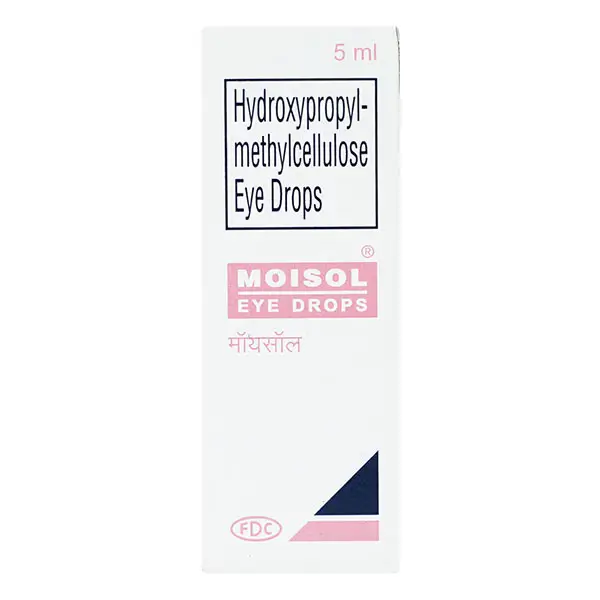
Moisol (Hydroxypropylmethylcellulose)
Previous product
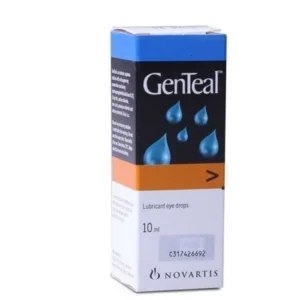
Genteal Gel (Hydroxypropylmethylcellulose)
A$33.00 A$85.00Price range: A$33.00 through A$85.00
Next product
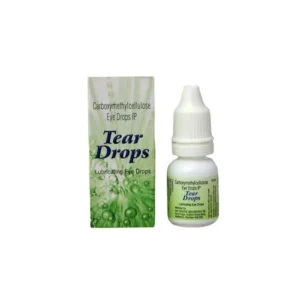
Tear Drops (Carboxymethylcellulose sodium)
A$5.95 A$29.07Price range: A$5.95 through A$29.07
A$22.00 A$36.00Price range: A$22.00 through A$36.00
In Stock
In Stock
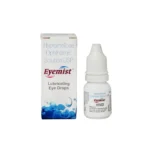
Moisol (Hydroxypropylmethylcellulose)
| Pack Size | Price | Quantity | Add To Cart | |
|---|---|---|---|---|
| 6 Bottle/s | A$22.00 | |||
| 9 Bottle/s | A$30.00 | |||
| 12 Bottle/s | A$36.00 | |||
| Want to order in bulk / B2B price? Send Inquiry | ||||
×
Sorry!! Out of Stock
Sorry! Moisol (Hydroxypropylmethylcellulose) is out of stock
Please click below to view other similar medications.
View All Hydroxypropylmethylcellulose Products
Offer You Can't Resist
Free Shipping
Enjoy Free Shipping on Orders above AUD304 (USD199)
Estimate Delivery :
29 September - 06 October
38
Last Updated on April 25, 2026

Description
Hydroxypropylmethylcellulose (HPMC), often sold under the commercial name Moisol, is a widely used polymer in various industries such as pharmaceuticals, food, cosmetics, and construction. It is renowned for its flexibility and versatility; it’s become an essential component in a variety of uses due to its distinctive mix of characteristics. When you’re creating the formulation of a medication, food item, or cosmetics, HPMC can bring significant benefits. In this post, we’ll explore the production process, structure, and key characteristics, along with the numerous applications that can be made with HPMC.
What is Hydroxypropylmethylcellulose (HPMC)?
HPMC can be described as a chemically altered cellulose derivative in which the hydroxypropyl and the methyl groups are added to the cellulose molecules. Cellulose is a natural polymer that is derived from plants, which are mainly made from wood and cotton. It is a structural component of plant cells. By a chemical procedure that alters the cellulose structure, we create HPMC that has improved flexibility, solubility, and the ability to be used in a variety of ways.
HPMC is usually found in unscented, white powder, which, in combination with water, creates a gel-like texture. It is a water-soluble polymer with unique characteristics that allow it to be used for a variety of applications within sectors ranging from pharmaceuticals, food processing, and cosmetics.
The Production Process of HPMC
The production of Hydroxypropylmethylcellulose begins with cellulose, which is extracted from natural plant sources such as cotton, wood pulp, or hemp. It is subjected to a chemical process of treatment called etherification. It is where it is reacted with propylene and methyl chloride oxide. This procedure replaces the hydroxyl groupings of cellulose with hydroxypropyl and methyl groups.
Etherification Process
- Methylation: The addition of the methyl group (-CH3) improves the ability of polymers to form films.
- Hydroxypropylation: The addition of hydroxypropyl groups (–CH₂CHOHCH₃) makes the polymer more water-soluble. It also improves its ability to gel at temperatures.
The amount in substitution (DS), also known as the quantity of cellulose molecules that have been modified through hydroxypropyl or methyl groups, can differ and offer a variety of HPMC kinds with various viscosities and solubilities, as well as characteristics of gelling. This is the key factor in its ability to be used in a variety of industries.
Properties of HPMC
Hydroxypropylmethylcellulose boasts a range of beneficial properties that make it a crucial ingredient in many applications:
- Water Solubility: In accordance with the amount of substitution, HPMC may be a part or completely water-soluble. It is able to function effectively in water-based environments, in which it functions as an emulsifier or thickener.
- Viscosity Control: HPMC is well-known for its capability to regulate viscosity. It is able to form viscous solutions. This makes HPMC a great ingredient for products such as suspensions, emulsions, and gel formulations.
- Film Formation: One of the best characteristics of HPMC is its capacity to produce transparent, flexible, and durable films. They are employed to coat pharmaceutical products, food products, and cosmetics.
- Thermal Gelation: HPMC solutions go through an irreversible gelation process once heated. This means that they are able to form gels at higher temperatures that melt when they cool. This is a feature that’s widely utilized for controlled release formulations.
- Non-toxic and Biocompatible: Since it is derived from cellulose, a natural substance, HPMC is generally regarded as being safe for use in a variety of items, such as cosmetics, pharmaceuticals, and food. HPMC is biocompatible, which means it works with human tissues and will not trigger negative reactions.
- Environmental Impact: HPMC is biodegradable and has little environmental impact when compared with synthetic polymers. This makes it the most sustainable choice for many applications.
Applications of HPMC
- Pharmaceuticals
Within the pharmaceutical industry, HPMC serves multiple roles:
- Binder: HPMC is commonly employed as a binder for tablet formulations. This assists in holding the active ingredients. This helps ensure that the tablet stays in its form throughout handling and use.
- Controlled-Release Drug Delivery: In light of its capacity to create gels, HPMC can be found for controlled-release and sustained-release pharmaceutical formulations. Through controlling the rate of release of active ingredients, HPMC aids in sustaining healthy levels of drugs within the body over a long time.
- Ophthalmic Solutions: HPMC is one of the main ingredients in the eye drop, and it helps in lubrication as well as moisture retention. Its ability to form a film helps provide a protective layer to the surface of the eye, which reduces inflammation and dryness.
- Topical Formulations: Lotions, creams, gels, and creams are benefited by HPMC as a stabilizer and a thickener. Making sure that formulations keep their consistency and texture.
- Food Industry
Within the food industry, HPMC has a range of services that influence the shelf-life and texture of the products:
- Gluten-Free Baking: HPMC is especially useful for baked goods that do not contain gluten, because it can mimic the texture and shape normally provided by gluten. HPMC can help conserve moisture and provide a greater mouthfeel.
- Fat Replacer: In reduced-calorie or low-fat food products, HPMC serves as a substitute for fat. It holds moisture and increases the flavor without adding huge calories.
- Emulsification and Stabilization: HPMC can be found in beverages as salad dressings and sauces, as a stabilizer and emulsifier. It assists in suspending particles, like pulp, in juices from fruits, and also prevents the separation of mixed emulsified substances.
- Cosmetics and Personal Care
The cosmetics industry is dependent on HPMC for a variety of reasons:
- Thickening Agent: HPMC aids in the adjustment of viscosity and consistency of various formulations. It makes lotions, shampoos, conditioners, and creams more durable and simpler to use.
- Film-Forming Agent: It creates seamless, uniform films over the skin. This helps in providing moisture as well as enhancing the enjoyment of the products used for personal care.
- Stabilizing Emulsions: HPMC guarantees the durability of emulsions found in cosmetics like sunscreens, creams, and hair styling gels. HPMC ensures the stability of emulsions, making sure that ingredients are not separated and ensuring a uniform consistency.
- Construction and Industrial Applications
HPMC is also extensively used in the construction industry, as it enhances the efficiency of cement, mortar, and other construction products:
- Cement and Mortar: HPMC can be used to improve the retention of water, workability, and adhesion properties of both mortar and cement. HPMC makes it simpler to spread tile and mortar adhesives and ensures a smooth and uniform spread.
- Tile Adhesives: When it comes to tile adhesives, HPMC assists in improving bonds, which makes the adhesive stronger and easier to use.
- Paints and Coatings: HPMC is used as a stabilizer and thickener for paints. This helps ensure consistency in texture while increasing the consistency of the application.
Conclusion
Hydroxypropylmethylcellulose (HPMC) is a versatile and valuable polymer used across a wide array of industries, from pharmaceuticals and food to cosmetics and construction. Its excellent properties–such as water solubility, viscosity control, film formation, and biodegradability–make it indispensable in modern product formulations. Their adaptability and sustainability have established their position as an essential ingredient in many sectors, and ensure that they will remain useful and relevant over the next few years.
It doesn’t matter if you’re trying to design the controlled release of a medication, as well as a gluten-free food product, or even a premium cosmetic product; HPMC is an ideal polymer to consider due to its distinctive mixture of properties and potential applications.
Additional Information
| Manufacturer | FDC Ltd. |
|---|---|
| Pharmaceutical | Eye Drop/s |
| Strength | 0.007 |
| Pack Size | 12 Bottle/s, 6 Bottle/s, 9 Bottle/s |
Related products



Reviews
There are no reviews yet.