

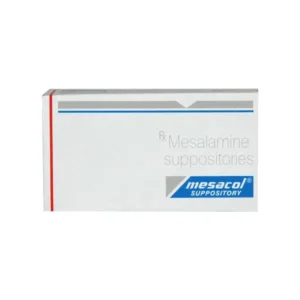
Mesacol (Mesalazine)
Previous product
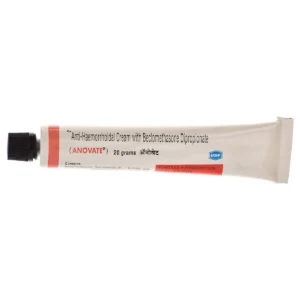
Anovate Cream
$17.50 $66.25Price range: $17.50 through $66.25
Next product

Oxuba (Oxaceprol)
$20.00 $53.00Price range: $20.00 through $53.00
$47.00 $72.00Price range: $47.00 through $72.00
In Stock
In Stock
Mesacol (Mesalazine)
| Pack Size | Price | Quantity | Add To Cart | |
|---|---|---|---|---|
| 90 Tablet/s | $47.00 | |||
| 120 Tablet/s | $60.00 | |||
| 150 Tablet/s | $72.00 | |||
| Want to order in bulk / B2B price? Send Inquiry | ||||
×
Sorry!! Out of Stock
Sorry! Mesacol (Mesalazine) is out of stock
Please click below to view other similar medications.
View All Mesalazine Products

Offer You Can't Resist
Free Shipping
Enjoy Free Shipping on Orders above AUD304 (USD199)
Estimate Shipping :
18 June - 25 June
33
Last Updated on April 21, 2026

Description
Mesacol (Mesalazine): A Comprehensive Guide to Uses, Benefits, and Precautions
Inflammatory bowel disorders (IBD), including Crohn’s disease and ulcerative colitis, are chronic diseases that cause intestinal tract inflammation. The ability to manage these illnesses effectively is essential to managing symptoms, lessening flare-ups, and improve the quality of your life. One of the most commonly prescribed medicines for this condition includes Mesacol that has an active ingredient called Mesalazine (also called mesalamine). This blog is designed to give an extensive comprehension of Mesacol and its applications, how it functions, dosage, adverse effects, and the most important warnings.
What is Mesacol?
Mesacol is a medicine that contains Mesalazine, the anti-inflammatory drug that is specifically designed to combat inflammation in the colon as well as the rectum. It’s part of a category of medications known as aminosalicylates that act local to the lining of the gut to lessen inflammation and speed up healing.
Mesalazine can be found in a variety of types, including capsules, tablets, suppositories, and enemas. Mesacol is typically used to refer to oral formulas like tablets, or tablets with extended release that are designed to release the medication into the intestinal tract.
How Does Mesacol Work?
Mesalazine is a direct action upon the tissue that is inflamed of the digestive tract, helping to decrease inflammation. It blocks the release of inflammation-causing chemical compounds called prostaglandins as well as leukotrienes that line the intestine. These chemicals can be responsible for creating swelling, redness, inflammation, and pain in the bowel wall.
Through targeting these pathways of inflammation, Mesacol helps:
- Reducing intestinal inflammation
- Help in healing ulcers
- Reduce symptoms like abdominal pain, diarrhea, and rectal bleeding
- Keep remission in check and prevent flare-ups with chronic diseases like ulcerative colitis.
In contrast to corticosteroids, Mesalazine is a local agent with very little absorption into the system, which lowers the chance of acquiring systemic adverse reactions.
Primary Uses of Mesacol (Mesalazine)
Mesacol is typically prescribed for:
- Ulcerative Colitis
Inflammatory bowel disease results in chronic inflammation and ulceration of the rectum and colon. Mesacol assists in the development and maintenance of improvement in moderate to mild instances. - Crohn’s Disease (Limited Use)
Though it’s less effective in Crohn’s disease than ulcerative colitis, Mesacol can be utilized in cases of inflammation that are restricted to the colon. - Proctitis
The rectum is the most affected area for inflammation, or the rectum region, which is where Mesacol Enemas or suppositories can be particularly advantageous. - Maintenance Therapy
In the aftermath of achieving remission, Mesacol is usually used again to stop relapses and keep longer-term Remission.
Dosage and Administration
Mesacol dosage varies depending on the disease being treated, the severity of the disease, and the patient’s age.
- For active ulcerative colitis:
Adult doses typically range between 2.4 grams and 4.8 grams per day. This is split into multiple dosages. - For maintenance therapy:
The lower dosages (e.g., 1.2 grams to 2.4 grams per day) are usually utilized. - For proctitis:
The rectal formulations, like suppositories or enemas, are commonly used at doses and frequencies dependent on the instructions of the product.
It is essential to use Mesacol on a regular basis and follow the entire course according to instructions, even when symptoms start to improve, for you to have a more effective treatment of inflammation.
Potential Side Effects
Mesacol is usually well-tolerated. However, certain patients could have side effects. These include:
Common side effects:
Rare but serious side effects:
- Allergic reactions (rash, itching, swelling)
- Severe abdominal pain or bloody diarrhea (signs of worsening disease)
- Kidney problems (rare)
- Pancreatitis (inflammation of the pancreas)
- Blood disorders (rare)
If you notice extreme side effects or symptoms of allergies, you should consult your physician immediately.
Precautions and Contraindications
Before beginning Mesacol inform your doctor of any medical conditions:
- Allergies to salicylates (aspirin or related drugs)
- Kidney or liver problems
- Blood disorders
- Pregnancy or breastfeeding status
Mesacol should be handled with caution for patients who have pre-existing kidney disease. Regular surveillance of the function of your kidney is advised when undergoing prolonged therapy.
Drug Interactions
Mesacol could be a drug that interacts with other medicines. It is important to inform your physician about all medications you’re taking, such as over-the-counter medications and supplements. Possible interactions are:
- Azathioprine or 6-mercaptopurine: An increase in the risk of blood disorders.
- Other NSAIDs: Risk of irritation to the gastrointestinal tract or bleeding.
- Antacids: Can affect the absorption of Mesalazine.
Monitoring and Follow-Up
Patients who are taking Mesacol are advised to keep regular follow-up appointments with:
- Check for symptom control and illness activity
- Examine kidney function using regular blood tests
- Be aware of any negative effects or complications
Who Should Avoid Mesacol?
Mesacol is not recommended to be used or employed with care in:
- Patients whose hypersensitivity has been confirmed to Mesalazine or similar chemicals
- Patients suffering from kidney disease
- People who have a history of allergies to aminosalicylates
Patient Tips for Using Mesacol
- Use Mesacol as prescribed and do not skip doses.
- Take tablets as a whole and drink plenty of water. Do not chew or crush extended-release versions.
- If rectal forms are used, be sure to follow the instructions for the proper use.
- Make sure you attend regular follow-up appointments and lab tests according to the recommendations.
- Be aware of any strange symptoms, including signs of an allergy or worsening of the disease. It is important to report any unusual symptoms promptly.
- Beware of NSAIDs, unless they are prescribed by a doctor, since they can cause a worsening of intestinal inflammation.
Summary
Mesacol (Mesalazine) is an essential treatment for intestinal inflammation such as ulcerative colitis. In addressing intestinal inflammation in a localized manner, it can help control symptoms, promote remission, and ensure long-term stability of the disease and a good health profile.
The proper use of Mesacol with medical supervision is a great way to improve the quality of people suffering from chronic inflammation. If you or a family member is suffering from ulcerative colitis and related disorders, consult your medical doctor to determine if Mesacol could be right for your needs.
Additional Information
| Manufacturer | Sun Pharmaceutical Industries Ltd |
|---|---|
| Pharmaceutical | Tablet/s |
| Strength | 400 mg |
| Pack Size | 120 Tablet/s, 150 Tablet/s, 90 Tablet/s |
Related products









Recently Viewed

Reviews
There are no reviews yet.