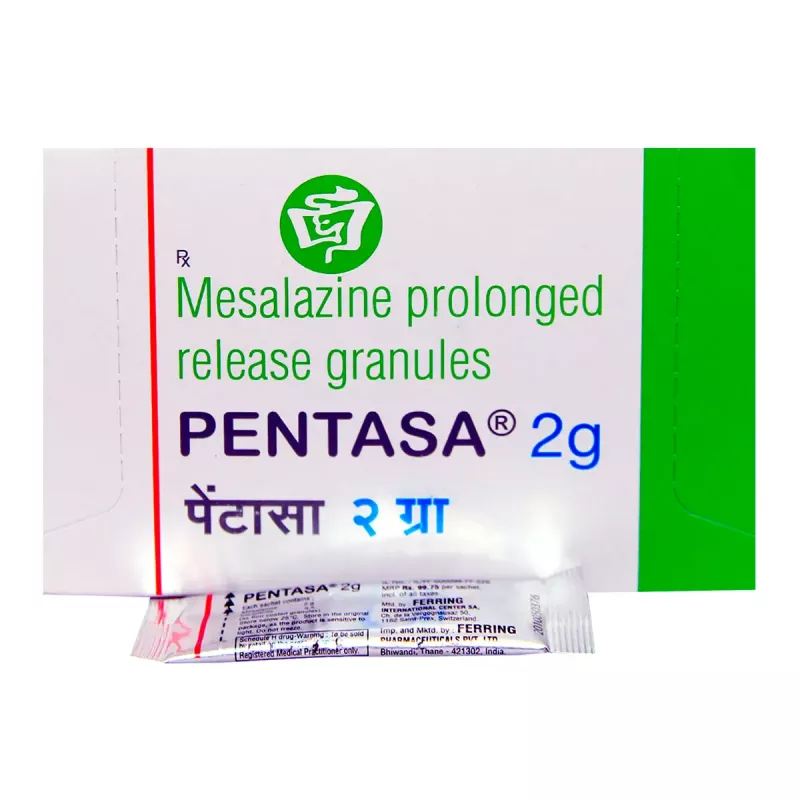
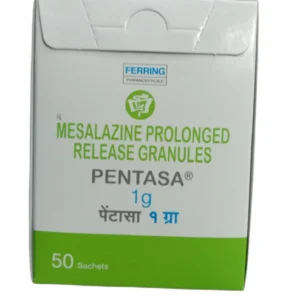
Inflammatory Bowel Disease (IBD) is a chronic condition that affects millions of people worldwide. The two main forms of IBD are ulcerative colitis and Crohn’s disease, both of which cause inflammation in the digestive tract and can lead to pain, diarrhea, bleeding, fatigue, and long-term complications. One of the commonly prescribed medicines for managing these conditions is Pentasa Granules 2g, which contains the active ingredient mesalamine (5-aminosalicylic acid).
Pentasa is widely used to reduce inflammation inside the bowel, relieve symptoms, and help maintain long-term remission. This article explains what Pentasa Granules 2g is, how it works, its medical uses, dosage, benefits, precautions, possible side effects, and important safety information.
What is Pentasa Granules 2g?
Pentasa Granules 2g is a prescription medicine used mainly for the treatment and maintenance of remission in patients with:
- Ulcerative colitis
- Crohn’s disease
The active ingredient, Mesalamine, is an anti-inflammatory medicine that acts directly on the lining of the intestine to reduce inflammation.
Unlike standard tablets, Pentasa comes in granule sachets, making it easier for patients who have difficulty swallowing pills. The granules can be taken directly or mixed with a small amount of soft food or liquid.
How Does Pentasa Work?
Mesalamine works locally inside the intestines to reduce inflammation.
Mechanism of Action
Pentasa blocks inflammatory chemicals produced in the intestinal lining by inhibiting:
- Cyclooxygenase (COX) enzymes
- Lipoxygenase enzymes
These enzymes are responsible for producing inflammatory substances such as:
- Prostaglandins
- Leukotrienes
By reducing these inflammatory mediators, Pentasa helps:
- Decrease swelling and irritation
- Reduce bowel inflammation
- Prevent ulcer formation
- Relieve symptoms like abdominal pain, diarrhea, and rectal bleeding
Over time, controlling inflammation helps protect the intestinal lining and maintain remission.
Medical Uses of Pentasa Granules 2g
Pentasa Granules 2g is prescribed for several inflammatory bowel conditions.
Ulcerative Colitis
- Induction of remission in mild to moderate disease
- Maintenance therapy to prevent flare-ups
Crohn’s Disease
Pentasa may help reduce inflammation in Crohn’s disease affecting the small intestine and colon.
Long-Term Inflammatory Bowel Disease Management
It is commonly used for long-term symptom control and maintaining bowel health.
Benefits of Pentasa Granules 2g
Pentasa offers several important advantages for IBD patients.
Effective Inflammation Control
The medicine directly targets bowel inflammation, helping reduce disease activity.
Maintains Remission
Regular treatment can lower the frequency of disease flare-ups.
Improves Quality of Life
By reducing abdominal pain, diarrhea, and bleeding, Pentasa helps patients maintain daily activities more comfortably.
Convenient Granule Formulation
Granules are easier to swallow compared to large tablets.
Targeted Action
The medicine acts mainly in the bowel, which helps reduce widespread systemic side effects.
Dosage and Administration
The dosage depends on the severity of disease, age, and medical condition.
Adult Dosage
Active Disease
- Usually up to 4 grams daily
- Taken as a single dose or divided doses
Maintenance Therapy
Children (6–18 Years)
Dosage is usually based on body weight:
- 30–50 mg/kg/day for active disease
- Maximum: 4 grams daily
- Lower doses for maintenance therapy
Pentasa is generally not recommended for children below 6 years unless specifically advised by a doctor.
How to Take Pentasa Granules
- Open the sachet carefully.
- Granules can be placed directly on the tongue and swallowed with water.
- They may also be mixed with soft food like yogurt.
- Do not crush or chew the granules.
- Take exactly as prescribed by your healthcare provider.
Possible Side Effects
Like all medicines, Pentasa may cause side effects in some patients.
Common Side Effects
- Headache
- Nausea
- Diarrhea
- Abdominal discomfort
- Gas or bloating
- Skin rash or itching
These side effects are often mild and temporary.
Serious Side Effects
Although uncommon, serious reactions may occur.
Kidney Problems
Mesalamine may affect kidney function in rare cases.
Allergic Reactions
Symptoms may include:
- Swelling
- Rash
- Difficulty breathing
- Fever
Blood Disorders
Rarely, Pentasa may affect blood cell counts.
Heart Inflammation
Rare cases of myocarditis or pericarditis have been reported.
Severe Skin Reactions
Very rare but serious skin reactions such as Stevens-Johnson Syndrome may occur.
Seek immediate medical help if severe symptoms appear.
Precautions and Warnings
Before starting Pentasa, inform your doctor if you have:
- Kidney disease
- Liver problems
- Asthma
- Allergies to salicylates or aspirin
- Previous reactions to mesalamine medicines
Pregnancy and Breastfeeding
Pentasa should only be used during pregnancy or breastfeeding under medical supervision.
Kidney Monitoring
Regular kidney function tests are recommended during treatment.
Drug Interactions
Pentasa may interact with other medicines, including:
- Blood thinners
- Anti-inflammatory medicines
- Kidney-toxic drugs
- Certain immunosuppressants
Always inform your healthcare provider about all medications and supplements you are taking.
Monitoring During Treatment
Regular follow-up is important while using Pentasa.
Your doctor may recommend:
Monitoring helps ensure treatment safety and effectiveness.
Who Should Avoid Pentasa?
Pentasa may not be suitable for:
- Patients allergic to mesalamine or salicylates
- Individuals with severe kidney disease
- Patients with severe liver impairment
- Those with previous serious hypersensitivity reactions
Medical supervision is essential in such cases.
Lifestyle Tips for Managing IBD
Alongside medication, lifestyle changes can support better bowel health.
Dietary Care
- Avoid trigger foods
- Eat smaller meals
- Stay hydrated
Stress Management
Stress may worsen IBD symptoms in some individuals.
Regular Follow-Up
Keep all scheduled appointments with your gastroenterologist.
Medication Adherence
Take Pentasa regularly even during remission unless advised otherwise.
When to Contact a Doctor
Seek medical attention if you experience:
- Severe abdominal pain
- Bloody diarrhea
- Fever
- Swelling
- Breathing difficulty
- Persistent vomiting
- Reduced urination
- Severe skin rash
These may indicate serious complications or adverse reactions.
Conclusion
Pentasa Granules 2g (Mesalamine) is an important medicine used in the management of inflammatory bowel diseases such as ulcerative colitis and Crohn’s disease. By reducing inflammation directly inside the intestines, it helps relieve symptoms, maintain remission, and improve quality of life.
The convenient granule formulation makes administration easier for many patients, while its targeted anti-inflammatory action provides effective disease control. However, regular monitoring and medical supervision remain essential to ensure safe and effective treatment.
If you or someone you know is living with inflammatory bowel disease, consult a healthcare professional to determine whether Pentasa Granules 2g may be an appropriate treatment option.
Frequently Asked Questions (FAQs)
1. What is Pentasa Granules 2g used for?
It is used to treat and maintain remission in ulcerative colitis and Crohn’s disease.
2. Can Pentasa cure inflammatory bowel disease?
No, Pentasa does not cure IBD, but it helps control inflammation and manage symptoms.
3. How long does Pentasa take to work?
Some patients notice improvement within a few weeks, though full benefits may take longer.
4. Can I stop taking Pentasa once I feel better?
No. Continue treatment exactly as prescribed to help prevent disease flare-ups.
5. Is Pentasa safe for long-term use?
Many patients use Pentasa long term safely under regular medical supervision and monitoring.



 Australia





Reviews
There are no reviews yet.