
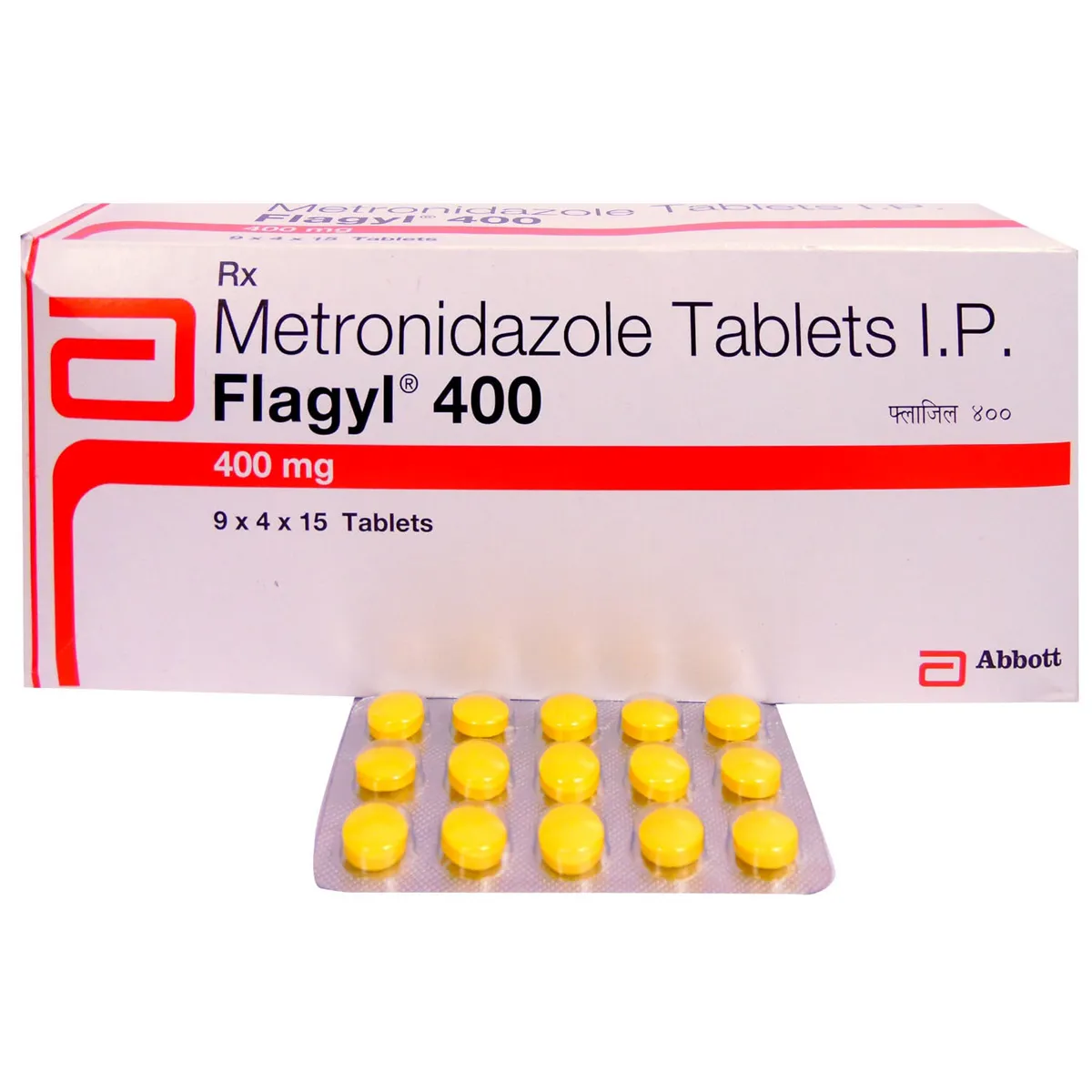
Flagyl 400mg (Metronidazole)
Previous product
Flagyl 200mg (Metronidazole)
A$8.66 A$30.32Price range: A$8.66 through A$30.32
Next product

Fosirol Powder (Fosfomycin)
A$47.65 A$137.18Price range: A$47.65 through A$137.18
A$30.32 A$56.32Price range: A$30.32 through A$56.32
In Stock
In Stock
Flagyl 400mg (Metronidazole)
| Pack Size | Price | Quantity | Add To Cart | |
|---|---|---|---|---|
| 180 Tablet/s | A$30.32 | |||
| 270 Tablet/s | A$43.32 | |||
| 360 Tablet/s | A$56.32 | |||
| Want to order in bulk / B2B price? Send Inquiry | ||||
×
Sorry!! Out of Stock
Sorry! Flagyl 400mg (Metronidazole) is out of stock
Please click below to view other similar medications.
View All Metronidazole Products

Offer You Can't Resist
Free Shipping
Enjoy Free Shipping on Orders above AUD304 (USD199)
Estimate Shipping :
21 July - 28 July
32
Customer support was responsive
Customer support was responsive and the ordering process was straightforward
 Australia
June 21, 2026
Last Updated on March 23, 2026

Description
Flagyl is a drug that contains its active component, Metronidazole is among the most prescribed antibiotics all over the world. The 400 mg dosage is the standard dose utilized to treat a wide range of protozoal and bacterial ailments. If you’re suffering from an infection caused by bacteria, a parasite illness, or perhaps dental issues, Flagyl might be the medication your physician recommends.
This blog will offer an extensive knowledge of Flagyl 400 mg, how it functions, along with its risks, side effects, as well as frequently sought-after concerns.
What is Flagyl 400 mg?
Flagyl is a name brand to refer to the drug Metronidazole. It’s part of a category of drugs known as Nitroimidazole antibiotics. Flagyl functions by primarily blocking or killing the development of specific bacteria as well as protozoa (single-celled parasites).
It’s beneficial against anaerobic bacteria (those that don’t need oxygen for their existence) as well as specific protozoan parasites. This means that Flagyl is the ideal treatment for a variety of infections that cannot be readily controlled by other antibiotics.
How Does Flagyl Work?
Its action involves gaining entry into the microorganisms’ cells and altering their DNA. Particularly, Metronidazole transforms within the microorganism’s cell to reactive substances that break DNA strands, hindering the synthesis of nucleic acids and, ultimately, killing microorganisms.
This specific action lets Flagyl fight diseases caused by:
- Anaerobic bacteria (e.g., Bacteroides, Clostridium species)
- Protozoa such as Giardia lamblia, Entamoeba histolytica, and Trichomonas vaginalis
Common Uses of Flagyl 400 mg
Flagyl 400mg is used to treat different infections, which include:
-
Bacterial Vaginosis
A sporadic growth of anaerobic bacteria in the vagina can cause an odor, discharge, as well as discomfort.
-
Trichomoniasis
An infection that is transmitted sexually by the protozoan Trichomonas vaginalis.
-
Giardiasis
A gastrointestinal infection is caused by Giardia Lamblia, which causes diarrhea as well as abdominal cramps.
-
Amebiasis
An infection caused due to Entamoeba histolytica that can lead to liver abscess and dysentery.
-
Anaerobic Bacterial Infections
In addition, there are pelvic inflammatory diseases, abdominal infection, as well as infections of the skin as well as soft tissues.
-
Prevention and Treatment of Post-surgical Infections
In particular, in surgery involving the abdomen or reproductive organs.
How to Take Flagyl 400 mg
- Dosage: Typically, it’s taken 3 times a day per day, depending on the condition being taken care of.
- Administration: It can be taken orally and with or without food. Combining it with food could lessen stomach discomfort.
- Duration: Most often, you will be prescribed between 5 to 10 days. Be sure to follow your physician’s prescriptions.
- Missed Dose: Do it as quickly as you can remember, unless it’s just before the date for your next dose.
Side Effects of Flagyl
The majority of people can tolerate Flagyl quite well. However, a few adverse effects can occur:
- Common Side Effects:
Nausea, vomiting, diarrhea, metallic taste in the mouth, loss of appetite. - Less Common Side Effects:
Headache, dizziness, dry mouth, dark urine (harmless in most cases). - Serious Side Effects (Seek Medical Help Immediately):
- Allergic reactions (rash, itching, swelling, difficulty breathing)
- Seizures or convulsions
- Peripheral neuropathy (tingling or numbness in hands or feet)
- Signs of liver problems (yellowing of skin/eyes, severe abdominal pain)
Important Precautions
- Alcohol: Beware of alcohol consumption while using Flagyl and for at minimum at least 48 hours following treatment. Mixing alcohol and Flagyl may cause extreme cramps, nausea, vomiting, flushing, and headache (disulfiram-like reactions).
- Pregnancy and Breastfeeding: Flagyl is typically avoided in the initial trimester of pregnancy. It could be absorbed through breast milk; therefore, make sure to consult with your physician prior to using.
- Drug Interactions: They can be in contact in a way with blood thinners (warfarin) as well as lithium, the phenytoin compound, and many others.
- Medical Conditions: Contact your doctor if you suffer from kidney disease, liver disease, or a family history of neurological problems.
FAQ: Flagyl 400 mg (Metronidazole)
Can I drink alcohol while taking Flagyl?
No. Consuming alcohol while you are taking Flagyl treatment or within 24 hours of the treatment can trigger extreme reactions, including nausea, flushing, and a rapid heart rate.
How long does it take for Flagyl to work?
The improvement in symptoms usually occurs after a couple of days; however, the treatment must be done to stop the recurrence of symptoms or to prevent resistance.
Can Flagyl treat viral infections?
No. Flagyl is effective only against specific protozoa and bacteria and protozoa, but not against viruses.
What should I do if I miss a dose?
Use it as soon as you remember or if you’re nearing the time to take your next dose. Don’t double-dose.
Can Flagyl cause a metallic taste?
Yes, the bitter or metallic taste is the most common side effect. However, it typically goes away following treatment.
Is Flagyl safe during pregnancy?
This is usually avoided in the initial trimester. Always check with your physician before using any medications while pregnant.
Can Flagyl be used for dental infections?
Yes, It is recommended for anaerobic bacterial gum abscesses and gum disease.
Can Flagyl cause nerve damage?
Infrequent use, or excessive doses, are not likely to result in peripheral neuropathy (nerve damage). If you notice any symptoms of numbness or tingling as soon as you notice them.
Does Flagyl interact with other medications?
Yes, It can interfere with lithium, blood thinners, and some antiseizure drugs. Discuss with your physician all medicines you use.
How should I store Flagyl?
Keep at room temperature and far from heat and humidity.
Conclusion
Flagyl 400 mg (Metronidazole) is a multi-faceted and efficient antibiotic that can treat various protozoal and bacterial diseases. When used as directed, it will speedily reduce symptoms as well as clear up infections. But, it’s important to adhere to your doctor’s guidelines, refrain from drinking alcohol while you are in the treatment process, and inform your healthcare provider of any adverse reactions immediately.
Additional Information
| Manufacturer | Abbott India Pvt. Ltd. |
|---|---|
| Pharmaceutical | Tablet/s |
| Strength | 400mg |
| Pack Size | 180 Tablet/s 270 Tablet/s 360 Tablet/s |
Related products







Recently Viewed





Reviews
There are no reviews yet.