

Enapril 5mg (Enalapril)
Previous product

Dytor 5mg (Torasemide)
$19.00 $36.00Price range: $19.00 through $36.00
Next product
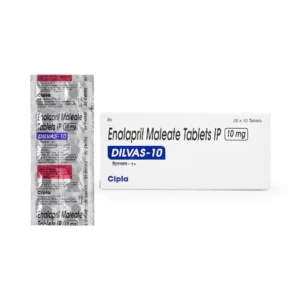
Dilvas 10mg (Enalapril)
$16.25 $31.25Price range: $16.25 through $31.25
$13.00 $25.00Price range: $13.00 through $25.00
In Stock
In Stock
Enapril 5mg (Enalapril)
| Pack Size | Price | Quantity | Add To Cart | |
|---|---|---|---|---|
| 60 Tablet/s | $13.00 | |||
| 90 Tablet/s | $19.00 | |||
| 120 Tablet/s | $25.00 | |||
| Want to order in bulk / B2B price? Send Inquiry | ||||
×
Sorry!! Out of Stock
Sorry! Enapril 5mg (Enalapril) is out of stock
Please click below to view other similar medications.
View All Enalapril Products
Offer You Can't Resist
Free Shipping
Enjoy Free Shipping on Orders above AUD304 (USD199)
Estimate Shipping :
20 June - 27 June
21
Last Updated on December 05, 2025

Description
The condition of high blood pressure (hypertension) is among the least known but deadliest diseases that affects millions of people around the world. If not treated, the condition can cause grave cardiovascular issues, like heart failure, stroke, as well as kidney disease. One of the most commonly prescribed and effective medications in this category is Enapril 5mg, containing Enalapril, an ACE (Angiotensin-Converting Enzyme) inhibitor.
In this comprehensive guide, we’ll discuss the details of Enapril 5mg and how it functions, as well as its uses, dosage, and precautions, adverse consequences, as well as the most important information the patient should be aware of.
What is Enapril 5mg?
Enapril 5mg is a prescribed medication that is used to combat hypertension (hypertension) and heart failure, as well as to prevent any future heart attacks in patients at risk. The active ingredient in the drug, Enalapril, is part of the group known as the ACE inhibitors that function by relaxing blood vessels, which helps lower blood pressure and reduce the workload of the heart.
- Brand Name: Enapril
- Generic Name: Enalapril Maleate
- Drug Class: ACE (Angiotensin-Converting Enzyme) Inhibitor
- Strength: 5 mg
- Form: Oral tablet
How Does Enalapril Work?
Enalapril is effective by inhibiting the function that an enzyme (ACE) that converts angiotensin to angiotensin II. This is a vasoconstrictor that is powerful vasoconstrictor. Inhibiting this conversion:
- The blood vessels are relaxed, dilate and increasing blood flow.
- The blood pressure drops and reduces tension on the heart.
- Additionally, it leads to decreased sodium and water retention as well as reduced blood volume.
- The heart’s workload is reduced, which is particularly helpful for people with heart disease.
The dual effect on the vascular tone as well as the balance of fluids is a key element in treating heart illnesses.
Therapeutic Uses of Enapril 5mg
Enapril 5mg can be taken alone or in combination with other medicines for the treatment of:
-
Hypertension (High Blood Pressure)
- Lowers elevated blood pressure.
- Reduces risk of strokes, heart attacks, and kidney damage.
-
Heart Failure
- Helps alleviate symptoms such as breathing problems, fatigue, and swelling.
- Increases longevity and lowers hospitalizations.
-
Left Ventricular Dysfunction
- Helps prevent the development of asymptomatic cardiac dysfunction into symptomatic dysfunction.
-
Chronic Kidney Disease (especially in diabetics)
- Protects kidneys by lowering pressure in the glomeruli.
- Slows progression of nephropathy.
-
Post-Heart Attack Recovery
- Lowers the risk of death and enhances cardiac remodelling when it is initiated in the early stages.
Dosage and Administration
The dose of Enapril 5 mg is determined by the illness being treated, as well as specific factors for the patient, like kidney function, age, and the patient’s response to therapy.
Typical Dosage Guidelines:
| Condition | Initial Dose | Maintenance Dose |
| Hypertension | 5 mg once daily | 10–20 mg daily in 1–2 divided doses |
| Heart Failure | 2.5 mg once daily | Up to 20 mg daily in divided doses |
| Kidney Protection (diabetics) | 2.5–5 mg daily | Adjust based on renal function |
- Tablets can be taken by mouth, either with or without food.
- Consistency in timing (e.g., every morning) is important.
- Adjustments to dosages may be required in patients suffering from impaired kidney function or older patients.
Precautions Before Use
Prior to starting Enapril, your doctor will evaluate your general health and different medications, as well as other lifestyle aspects. Take note of the following important aspects:
Do Not Use If You:
- Are allergic to Enalapril or other ACE inhibitors
- Are you afflicted with angioedema (swelling of the throat and face)
- Are pregnant or planning pregnancy
- Have bilateral renal artery stenosis
- Are you using the aliskiren in conjunction with the condition of diabetes
Use with Caution If You:
- Have kidney disease or liver impairment
- Are on potassium supplements or diuretics
- Have low blood pressure (hypotension)
- Are on other medications that affect renal function
Drug Interactions
Be sure to inform your physician of the medicines you’re taking. It can interact with:
- Diuretics (e.g., furosemide): may cause excessive blood pressure drop
- Potassium supplements or potassium-sparing diuretics (e.g., spironolactone): risk of hyperkalemia
- NSAIDs (e.g., ibuprofen): could reduce the efficacy of Enapril
- Lithium: the risk of toxic lithium
- Other antihypertensives: could increase the blood pressure-lowering effects
Side Effects of Enapril 5mg
A majority of people take Enapril very well. As with every medication, side effects are possible.
Common Side Effects:
- Dry, persistent cough
- Dizziness or light-headedness (especially after first dose)
- Fatigue or weakness
- Headache
- Skin rash
Serious (Rare) Side Effects:
- Angioedema (swelling of lips, face, tongue, or throat)
- Hyperkalemia (high potassium levels)
- Kidney dysfunction
- Low blood pressure (hypotension)
- Liver toxicity
If extreme reactions are observed, like an increase in facial swelling or breathing difficulties, you should seek medical emergency assistance immediately.
Monitoring and Follow-Up
A regular monitoring program helps guarantee security and efficiency:
- Blood pressure checks
- Kidney function tests (creatinine, BUN)
- Serum potassium levels
- Signs of side effects or complications
Use in Special Populations
Pregnancy and Breastfeeding
- The drug is not recommended during pregnancy–it can affect the growth of the fetus, particularly during the second and third trimesters.
- It is best to avoid nursing unless recommended by a physician.
Elderly
- Dose might require adjustment in light of decreased renal function.
Children
- It is possible to prescribe it in the case of pediatric hypertension with close supervision, however, only in certain instances.
Lifestyle Tips While Using Enapril
- Beware of salt alternatives with potassium.
- Limit alcohol intake (may enhance blood pressure-lowering effects).
- Keep hydrated, but don’t take in too much fluid unless recommended by your doctor.
- Continue low-sodium, heart-healthy diet.
- Regularly exercise, as recommended by your physician.
Frequently Asked Questions (FAQs)
-
How long does Enapril take to work?
Blood pressure may begin to decrease in just an hour, and the full impact can be evident after a couple of months. The benefits of heart failure could not be evident for a long time.
-
Can I stop Enapril if my blood pressure is normal?
No. High blood pressure can often have little or no signs. Take Enapril according to the directions without consulting your doctor.
-
What if I miss a dose?
You should take it as soon as you remember. If it’s getting close to your next dosage, skip the missed one. Don’t double-dose.
-
Will Enapril cure my hypertension or heart failure?
No, it is not, but it can help to manage and control the conditions. The long-term usage is typically required.
-
Can Enapril cause weight gain?
It isn’t known if it causes weight increase. But, in heart-failing patients, fluid retention could be a problem if it is not controlled.
Conclusion
Enapril 5mg (Enalapril) is a very well-known and effective treatment to treat hypertension, heart failure, and preserve kidney function. Through lowering blood pressure and decreasing the stress on the heart, this medication plays a crucial role in preventing the occurrence of serious complications like heart attack and stroke.
Related products




Recently Viewed



Reviews
There are no reviews yet.