
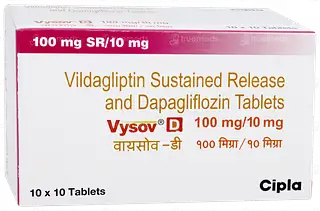
Vysov D (Vildagliptin/Dapagliflozin)
Previous product

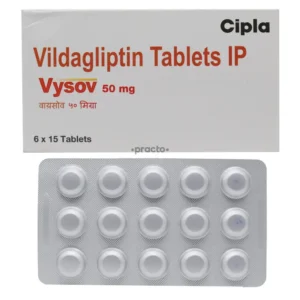
Vysov 50mg (Vildagliptin)
A$61.77 A$196.53Price range: A$61.77 through A$196.53
Next product


Vysov XR 100mg (Vildagliptin)
A$73.00 A$248.47Price range: A$73.00 through A$248.47
A$84.23 A$279.36Price range: A$84.23 through A$279.36
In Stock
In Stock
Vysov D (Vildagliptin/Dapagliflozin)
| Pack Size | Price | Quantity | Add To Cart | |
|---|---|---|---|---|
| 60 Tablet/s | A$84.23 | |||
| 120 Tablet/s | A$154.42 | |||
| 240 Tablet/s | A$279.36 | |||
| Want to order in bulk / B2B price? Send Inquiry | ||||
×
Sorry!! Out of Stock
Sorry! Vysov D (Vildagliptin/Dapagliflozin) is out of stock
Please click below to view other similar medications.
View All Vildagliptin/Dapagliflozin Products

Offer You Can't Resist
Free Shipping
Enjoy Free Shipping on Orders above AUD304 (USD199)
Estimate Delivery :
12 October - 19 October
49
Excellent service overall
Smooth checkout, quick dispatch, and secure delivery. Excellent service overall
 Australia
October 1, 2026
Last Updated on June 27, 2026

Description
Introduction
Vysov D is a fixed-dose combination (FDC) oral antidiabetic medicine that combines two complementary drugs: Vildagliptin and Dapagliflozin. The drug was designed for the treatment of the condition known as Type 2 Diabetes Mellitus (T2DM). This combination targets two distinct but synergistic ways to enhance glycemic management and decrease the effects of hyperglycemia among adults.
Combining Vildagliptin, an inhibitor of DPP-4, together with Dapagliflozin, an SGLT2 inhibitor, offers an effective and well-tolerated solution to patients who are not adequately controlled by the monotherapy approach or dual treatment.
Composition
Each film-coated tablet of Vysov D contains:
- Vildagliptin – 100 mg
- Dapagliflozin – 5 mg
Other dosage combinations might be offered based on the regulations and the market.
Pharmacological Class
- Vildagliptin: Dipeptidyl Peptidase-4 (DPP-4) Inhibitor
- Dapagliflozin: Sodium-Glucose Cotransporter-2 (SGLT2) Inhibitor
The two classes operate through distinct mechanisms and work in tandem with respect to their respective actions. They provide additional benefits to glycemic management.
Mechanism of Action
Vildagliptin
Vildagliptin acts by blocking the enzyme DPP-4that is the one responsible for the degradation of hormones incretin like GLP-1 (glucagon-like peptide-1) as well as GIP (glucose-dependent insulinotropic polypeptide). These hormones play a vital part in the control of the glucose homeostasis process by:
- The stimulation of insulin secretion is done through a glucose-dependent way
- Inhibiting glucagon release during hyperglycemia
Through enhancing the action of the hormone incretin, Vildagliptin improves the production of insulin, as well as suppressing glucagon, which results in improved postprandial and fasting blood sugar management.
Dapagliflozin
Dapagliflozin is a selective inhibitor of SGLT2 within the renal proximal tubules, which reduces the absorption of glucose in the glomerular filtration system and increases the excretion of glucose through the urine (glucosuria). This is an insulin-dependent mechanism and causes:
- Reduction in plasma glucose levels
- Caloric loss resulting in moderate weight loss
- The reduction in blood pressure is because of the diuretic osmotic process
Indications
Vysov D is recommended for treating Type 2 Diabetes Mellitus in adults to enhance the control of glycemic levels:
- If metformin, or any other oral medications (such as monotherapies or sulfonylureas) do not provide sufficient control of glycemic levels
- Patients who need treatment in combination with drugs that are complementary to each other,
- In the triple therapy with metformin or any other OADs when appropriate.
Benefits of Vysov D
Dual Mechanism of Action
Combining two inhibitors of DPP-4 and the SGLT2 inhibitor Vysov D offers comprehensive effects on lowering blood sugar levels by:
Insulin-dependent and non-insulin-dependent pathways
The postprandial as well as fasting levels of glucose are under control
Cardiovascular and Renal Benefits
Dapagliflozin can be shown to have beneficial effects on renal and cardiovascular health in numerous landmark trials (e.g., DECLARE TIMI 38, DAPA-CKD), which makes it an excellent addition to diabetes regimens, specifically for those who suffer from cardiovascular disease or are who are at risk.
Vildagliptin has demonstrated a positive cardiovascular safety profile during clinical tests.
Weight and BP Reduction
Dapagliflozin aids in weight loss and decreases systolic blood pressure through loss of glucose in the urine and diuretic effects that are mild, offering metabolic benefits in addition to the control of glycemic levels.
Low Risk of Hypoglycemia
Because of the glucose-dependent effect of Vildagliptin and the insulin-independent actions of Dapagliflozin, this means that the chance of developing hypoglycemia is low, particularly when it is not coupled with insulin or other sulfonylureas.
Dosage and Administration
- Recommended Dose: A tablet every day, in a tablet form, either with or without food.
- The dosage may differ based on the current treatment regimen of the patient as well as the renal function.
- It is possible to adjust the dosage for co-administration with other antidiabetic drugs, specifically ones that can result in hypoglycemia.
Renal function must be analyzed before initiating the treatment as well as periodically afterward, specifically in the case of Dapagliflozin, because its effectiveness reduces as renal function declines.
Contraindications
- Hypersensitivity to Vildagliptin, Dapagliflozin, or any excipients
- Severe renal impairment (eGFR < 30 mL/min/1.73 m²)
- Patients on dialysis
- Type 1 diabetes or for the treatment of diabetic ketoacidosis
Warnings and Precautions
- Renal Monitoring: Dapagliflozin needs regular kidney function testing. Be cautious in patients who have serious renal impairment.
- Hepatic Function: Take care when treating patients who have impairment in the liver, specifically in the case of Vildagliptin.
- Genital Infections: Dapagliflozin is associated with an increased possibility of having genital mycotic infections because of glucosuria.
- Pancreatitis: While it’s not common, you should be aware of the signs of pancreatitis when using Vildagliptin.
- Ketoacidosis: While not common, euglycemic diabetic ketoacidosis (euDKA) has been associated with SGLT2 inhibitors. Check for patients suffering from poor carbohydrate intake, high alcohol intake, or with an acute illness.
Adverse Effects
Common Side Effects
- Urinary tract infections
- Genital mycotic infections
- Nasopharyngitis
- Headache
- Dizziness
- Gastrointestinal discomfort
Rare but Serious
- Pancreatitis
- Hepatic dysfunction
- Diabetic ketoacidosis (especially with Dapagliflozin)
- Hypersensitivity reactions
Drug Interactions
- Diuretics: Increased risk of dehydration and hypotension with Dapagliflozin.
- Insulin or Sulfonylureas: The risk of hyperglycemia increases when taken together.
- Rifampin, phenytoin, carbamazepine: Could reduce plasma concentrations of Dapagliflozin.
Always read the entire medicine profile prior to beginning Vysov D.
Clinical Evidence
Studies have demonstrated how the mixture of Vildagliptin as well as Dapagliflozin substantially increases HbA1c levels, compared to single therapy, and has better tolerability as well as a lower possibility of hypoglycemia.
Patients treated with Vysov D demonstrated:
- Reduction in HbA1c by ~1.0% to 1.5%
- Weight loss averaging 2–3 kg over 6 months
- Sustained glucose control over 24–52 weeks
The results are especially valuable for patients who have known cardiovascular risk factors or early indications of kidney involvement.
Storage and Packaging
- Keep the room that is dry and cool at a temperature of 30°C or less, far from bright sunlight.
- Be sure to keep away from young children.
- In blister packs, typically in boxes of 10 tablets.
Patient Counseling Points
- Encourage patients to remain hydrated in order to prevent suffering from dehydration.
- Be aware of the symptoms associated with the urinary tract and genital infection.
- Make sure you monitor your blood sugar regularly.
- Consider the importance of diet control and exercise.
- Be aware of any possible side effects and the appropriate time you should seek medical attention.
Conclusion
Vysov D is a highly effective dual-acting treatment for managing Type 2 Diabetes Mellitus, dealing with the most pressing issues like low glycemic control and heart risk, and metabolic issues. Through its numerous mechanisms of action, its favorable safety profiles, and additional advantages like weight loss or the risk of hypoglycemia being reduced, Vysov D represents a revolutionary and patient-focused solution for the treatment of diabetes.
Additional Information
| Active Ingredient: | Vildagliptin/Dapagliflozin |
|---|---|
| Indication: | Type 2 Diabetes |
| Manufacturer: | Cipla Limited |
| Packaging: | 10 Tablets in 1 Strip |
| Strength: | 100mg/5mg |
| Delivery Time: | 7 To 15 days |
Related products



Reviews
There are no reviews yet.