
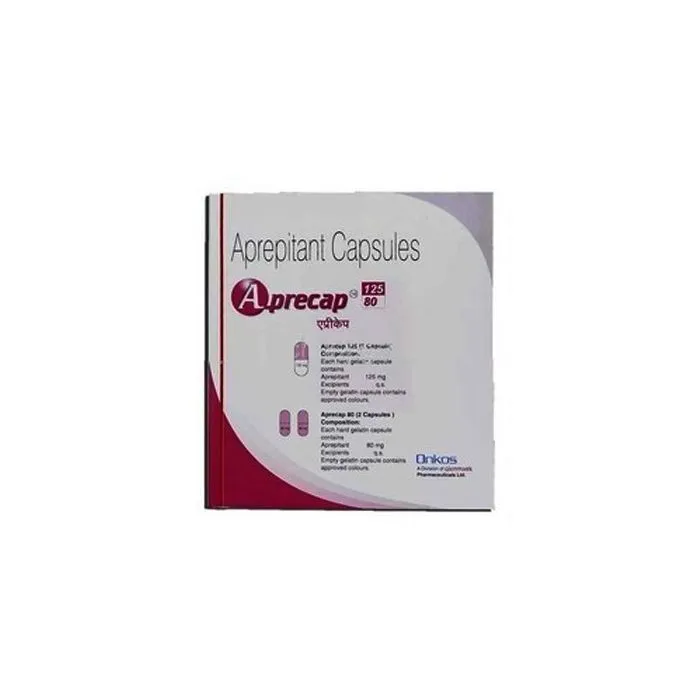
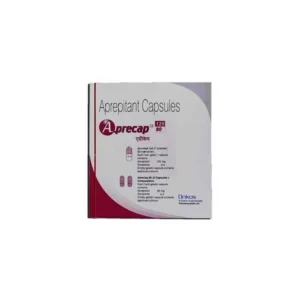
Aprecap (Aprepitant)
Previous product
Apnat 60mg (Apalutamide)
A$776.87 A$1,678.43Price range: A$776.87 through A$1,678.43
Next product

Aprezo 10mg (Apremilast)
A$62.09 A$151.62Price range: A$62.09 through A$151.62
A$24.55 A$69.31Price range: A$24.55 through A$69.31
In Stock
In Stock
Aprecap (Aprepitant)
| Pack Size | Price | Quantity | Add To Cart | |
|---|---|---|---|---|
| 1 Pack | A$24.55 | |||
| 2 Pack/s | A$47.65 | |||
| 3 Pack/s | A$69.31 | |||
| Want to order in bulk / B2B price? Send Inquiry | ||||
×
Sorry!! Out of Stock
Sorry! Aprecap (Aprepitant) is out of stock
Please click below to view other similar medications.
View All Aprepitant Products
Offer You Can't Resist
Free Shipping
Enjoy Free Shipping on Orders above AUD304 (USD199)
Estimate Shipping :
06 September - 13 September
48
Trusted Service
Good experience overall. The team was responsive, the ordering process was simple, and I received clear information about my shipment. Professional service and good customer support.
 Australia
August 16, 2026
Last Updated on October 12, 2025

Description
What is Aprecap (Aprepitant)?
Aprecap is a source of its active ingredient, Aprepitant, which is an anti-inflammatory medication that is used to treat nausea and vomiting triggered by surgery or chemotherapy. It’s part of a category of medications known as “NK1 receptor antagonists” and works by blocking the actions of substance P. It is a naturally occurring substance found in the brain that triggers nausea and vomiting.
How Does Aprecap Work?
Aprepitant blocks the neurokinin-1 (NK1) receptors that are located in the brain’s vomiting center. It assists in reducing nausea and vomiting, which are often associated with chemotherapy treatment as well as postoperative healing. It’s usually prescribed along with other medications to treat nausea for greater efficacy.
Who Should Use Aprecap?
Aprecap is used to treat:
- Chemotherapy patients who have a moderate or high chance of vomiting and nausea
- People who have surgery may be at risk of suffering postoperative nausea
- The patients are advised by their healthcare doctor to be part of an antiemetic treatment
It’s suitable for kids and adults; however, the dose varies based on the weight and age of the patient, as well as treatment plans.
How to Take Aprecap
Dosage
The usual dose for nausea caused by chemotherapy is 125mg taken in a single dose on day 1. Followed by 80mg for days 2 and 3. Postoperative nausea is treated with a single dose, which is usually given before surgery.
Administration
It is recommended to take Aprecap according to the instructions of your physician, usually in conjunction with water, and also in combination with or without food. Following the prescribed schedule increases the effectiveness of Aprecap.
Missed Dose
If you are unable to take the dose, get the dose as soon as you can remember, unless it’s close to the time for the next dose. Avoid double doses.
Side Effects of Aprecap
Common Side Effects
- Fatigue
- Loss of appetite
- Diarrhea or constipation
- Headache
- Dizziness
Serious Side Effects
Seek medical help immediately if you experience:
- Severe allergic reactions (rash, swelling, difficulty breathing)
- Chest pain or irregular heartbeat
- Persistent vomiting
Managing Side Effects
Most adverse effects are minimal and short-lived. Take plenty of fluids and take a break as required. Talk to your physician if symptoms persist or become worse.
Precautions and Safety Information
- Tell your doctor about any additional medications, supplements, or herbal supplements you are taking to ensure that there is no interaction.
- Take care if you are suffering from liver problems, since dose adjustments could be needed.
- Aprecap is not recommended for people who are allergic to Aprepitant or any of its constituents.
- Women who are pregnant or nursing should talk to their doctor before using.
Storage Instructions
Keep Aprecap tablets in a dry, cool area far from the sun’s rays and humidity. Be sure to keep them out of the kids’ reach.
Frequently Asked Questions (FAQs) About Aprecap
-
What conditions does Aprecap treat?
Aprecap helps to reduce vomiting and nausea that are caused by surgery and chemotherapy.
-
How soon before chemotherapy should I take Aprecap?
In general, the initial dose is administered approximately an hour before the start of chemotherapy.
-
Can I take Aprecap with food?
Yes, It can be consumed in combination with or without food.
-
Are there any drug interactions with Aprecap?
Yes, Absolutely, Aprecap is a drug that interacts with specific medications such as hormone contraceptives and blood thinners. Always inform your doctor.
-
Is Aprecap safe for children?
Aprecap is a medication that can be prescribed to kids, but the dosage and safety are contingent on the age of the child and treatment method.
-
What should I do if I vomit after taking Aprecap?
Consult your physician to seek advice. They may advise you to modify your treatment.
-
Can Aprecap cause dizziness?
Yes, Dizziness is a reported side effect. Do not drive or operate machines if you are in this condition.
-
How long does Aprecap stay in the body?
Aprecap’s effects last up to several days. That’s why it’s usually taken in a series of days as part of chemotherapy protocols.
-
Can I drink alcohol while taking Aprecap?
Avoid drinking alcohol since it can cause dizziness as well as tiredness.
-
What should I do if I experience an allergic reaction?
Seek medical attention immediately if you experience itching, swelling, or breathing difficulties.
Aprecap Compared to Other Antiemetics
| Feature | Aprecap (Aprepitant) | Ondansetron | Metoclopramide |
| Drug Class | NK1 receptor antagonist | 5-HT3 receptor antagonist | Dopamine antagonist |
| Use | Prevents chemo/post-op nausea | Prevents nausea/vomiting | Treats nausea/vomiting |
| Dosage Frequency | Once daily (multiple days for chemo) | Multiple doses daily | Multiple doses daily |
| Common Side Effects | Fatigue, headache | Headache, constipation | Drowsiness, fatigue |
Why Choose Aprecap?
Aprecap provides effective treatment for nausea and vomiting that is difficult to manage during chemotherapy and surgical procedures. It’s a vital component of the latest antiemetic regimens that improves the patient’s well-being throughout treatments.
Additional Information
| Active Ingredient: | Aprepitant |
|---|---|
| Indication: | Nausea and Vomiting due to Chemotherapy |
| Manufacturer: | Glenmark Pharmaceuticals Ltd. |
| Packaging: | 3 Capsules in 1 Strip |
| Strength: | 125mg/80mg |
| Delivery Time: | 7 To 15 days |
Related products



Recently Viewed
Reviews
There are no reviews yet.