

Acivir Eye Ointment (Acyclovir)
Previous product

VesiBeta ER 50mg (Mirabegron)
$37.00 $102.00Price range: $37.00 through $102.00
Next product
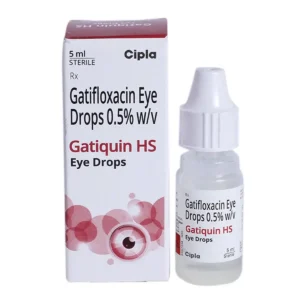
Gatiquin HS Eye Drop (Gatifloxacin)
$5.00 $27.00Price range: $5.00 through $27.00
$3.00 $15.00Price range: $3.00 through $15.00
In Stock
In Stock
Acivir Eye Ointment (Acyclovir)
| Pack Size | Price | Quantity | Add To Cart | |
|---|---|---|---|---|
| 1 Cream | $3.00 | |||
| 3 Cream/s | $8.00 | |||
| 6 Cream/s | $15.00 | |||
| Want to order in bulk / B2B price? Send Inquiry | ||||
×
Sorry!! Out of Stock
Sorry! Acivir Eye Ointment (Acyclovir) is out of stock
Please click below to view other similar medications.
View All Acyclovir Products

Offer You Can't Resist
Free Shipping
Enjoy Free Shipping on Orders above AUD304 (USD199)
Estimate Shipping :
07 June - 14 June
21
Last Updated on October 02, 2025

Description
Eye inflammations caused by herpes simplex virus (HSV) are often uncomfortable and can be eye-threatening, and need prompt care. One of the most well-known treatment options for these eye infections is Acivir Eye Ointment, which includes Acyclovir as its principal ingredient.
In this comprehensive guide, we’ll go over what Acivir Eye Ointment does and how it functions with its applications and dosage guidelines, potential adverse effects, warnings as well as tips to ensure the safest and most effective usage.
What is Acivir Eye Ointment?
Acivir Eye Ointment contains Acyclovir, which is an antiviral medication specially designed for use in the eye. It’s designed to treat eye infections caused by the herpes virus that affects the eyes specifically, herpes simplex Keratitis — an inflammation in the cornea.
Acyclovir is a drug that blocks the replication of viruses, which aids in managing the inflammation, decreasing symptoms, and encouraging the healing of tissue affected.
How Does Acivir Eye Ointment Work?
Acyclovir, which is the active component found in Acivir, is a nucleoside derivative that fights herpesviruses via:
- Infiltrating infected cells and then transforming into the active triphosphate acyclovir.
- Blocking the viral DNA polymerase, an enzyme essential to the synthesis of viral DNA.
- The virus is prevented from growing and spreading throughout the eye tissue.
In reducing the replication of viruses, Acivir assists in reducing the symptoms of the appearance of redness, pain, blurred vision, and inflammation.
Uses of Acivir Eye Ointment
Acivir Eye Ointment can be employed to treat:
- Herpes simplex keratitis: The cornea is infected with HSV.
- Herpes simplex epithelial keratitis: It affects the outer layer of the cornea.
- Recurrent HSV eye infections: To prevent or treat recurring instances.
Quick treatment with Acivir will reduce the chance of problems such as scarring, loss of vision, or even more severe injury to the eyes.
Dosage and Administration
- How to apply: Make sure you wash your hands well prior to applying the ointment. Carefully pull the lower part of the eyelid, creating an opening, then apply a tiny strip (usually approximately 1 centimeter) of the ointment. Keep your eyes closed gently, and try not to blink too much.
- Frequency: Typically, it is applied five times per day (every 3- 4 hours in the waking time) or according to the instructions given by your eye doctor.
- Duration: The course of treatment typically lasts for 7 to 10 days, based on the degree of infection and medical response.
- Avoid contact lenses: Don’t wear contact lenses while you are undergoing treatment, or until your doctor has advised that the lenses are appropriate and safe.
Possible Side Effects
Although Acivir Eye Cream is generally well-tolerated, some adverse effects could occur:
- The sensation of stinging or burning may be mild shortly after the application
- Eye redness or irritation
- Temporary blurred vision
- Allergy reactions (rare), Itching or swelling in the area of the eye
If the side effects continue or worsen, contact your physician immediately.
Precautions and Warnings
- Consult your doctor: Before use, inform your doctor if you have any eye conditions, allergies, or are using other eye medications.
- Avoid contamination: Avoid touching the edge of the tube with your eyes or any other surfaces to avoid the spread of infection.
- Pregnancy and breastfeeding: Only use if necessary and authorised by your healthcare doctor.
- Avoid driving: The temporary blurred vision that occurs after applying could affect your ability to control machinery and drive.
- Complete the course: In the event that symptoms get better, take the complete regimen of treatment to ensure your infection is under control.
Tips for Effective Use
- The ointment should be stored according to directions, generally at a temperature of cool and dry location away from direct sunlight.
- Make sure the tube is tightly shut during times of non-use.
- Cleanse your hands prior to and after applying the ointment to stop spreading the infection.
- Beware of sharing the ointment with other people.
- Make sure to attend follow-up appointments so that you can monitor progress and avoid any problems.
When to Contact Your Doctor
Seek medical attention if you experience:
- Acute eye pain, or worsening irritation
- Vision loss, or vision changes vision
- The signs of an allergic reaction, like swelling or trouble breathing
- The symptoms are not improving or getting worse following several days of treatment
Conclusion
Acivir Eye Ointment (Acyclovir) can be described as an effective and trusted treatment for eye herpes simplex infection. Inhibiting viral replication can reduce the signs, speed healing, and decrease the likelihood of serious issues affecting the vision.
If you suspect that you are suffering from an eye infection caused by herpes, contact your doctor promptly. Early treatment with Acivir Eye Ointment could make an enormous difference in the preservation of the health of your eyes and vision.
Additional Information
| Manufacturer | Cipla Limited |
|---|---|
| Pharmaceutical | Cream |
| Strength | 3% |
| Pack Size | 1 Cream , 3 Cream/s , 6 Cream/s |
Related products




Recently Viewed

Reviews
There are no reviews yet.