Is Insomnia Genetic?
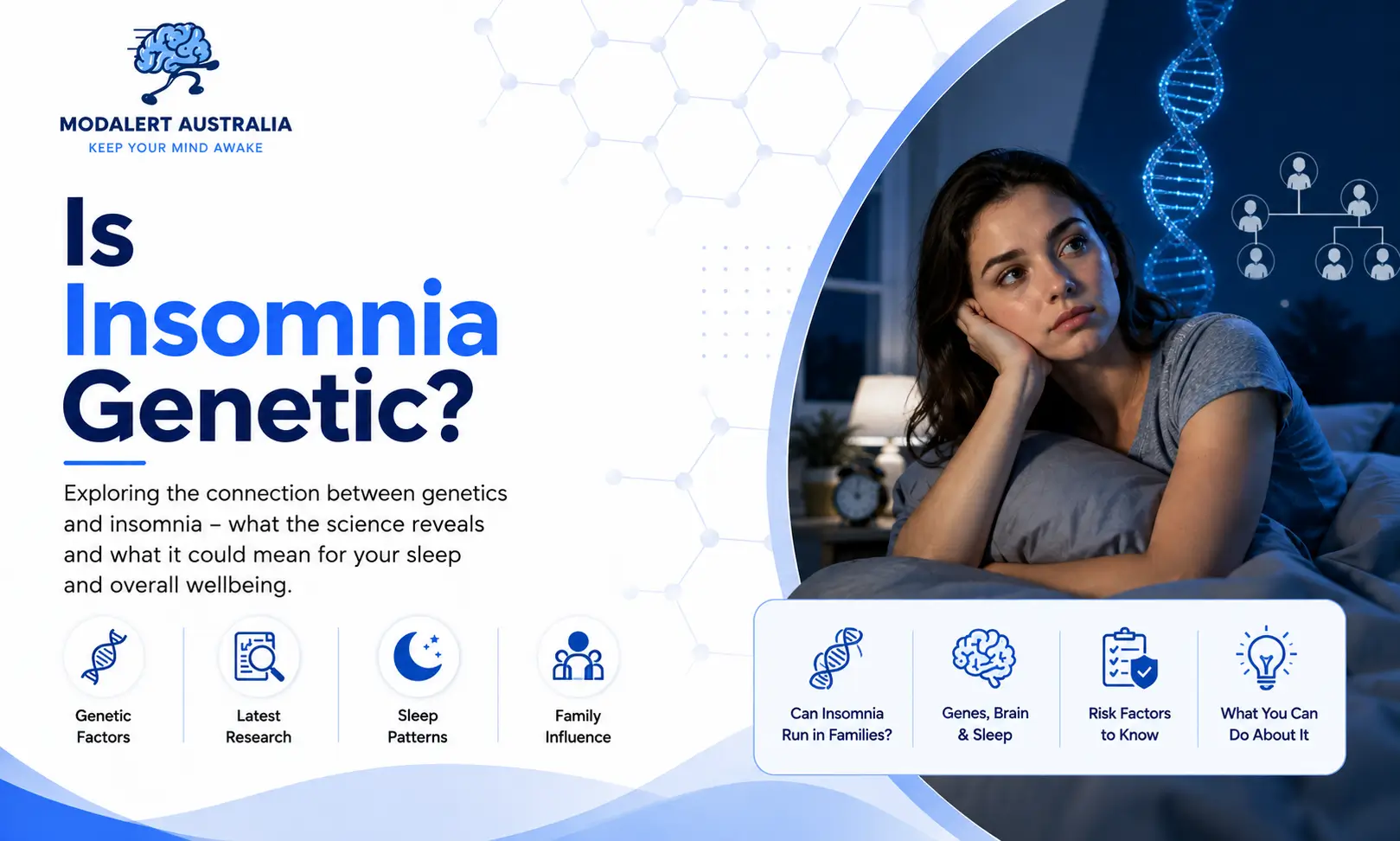
Is Insomnia Genetic? Understanding the Causes, Sleep Patterns, and Treatment Options
If you have ever spent hours awake at night wondering why sleep feels so difficult, you are not alone. Insomnia is one of the most common sleep problems, and for some people, it can continue for months or even years. When several members of the same family experience sleep difficulties, it is natural to wonder whether genetics could be involved.
The answer is that genetics can contribute to a person’s vulnerability to insomnia, but genes are rarely the only explanation. Family habits, stress, mental health, medical conditions, lifestyle, work schedules, and the sleep environment can all influence how well someone sleeps.
Understanding these different factors is important because having a family history does not mean that poor sleep is unavoidable. There are practical and evidence-based approaches that can improve sleep and help break persistent patterns of nighttime wakefulness.
What Is Insomnia?
What is insomnia? It is a sleep disorder involving ongoing difficulty falling asleep, staying asleep, waking too early, or being unable to return to sleep after waking. For chronic insomnia, these problems generally occur repeatedly and can interfere with daytime functioning.
Someone with insomnia may experience tiredness, difficulty concentrating, irritability, low motivation, or anxiety about sleeping. Acute insomnia may last for a short period after stress or a major life event, while chronic insomnia continues for a longer period.
Because insomnia can have multiple causes, identifying the factors contributing to an individual’s sleep problem is an important first step.
Is Insomnia Genetic?
Research suggests that insomnia has a genetic component. Studies involving families and twins indicate that inherited differences can influence a person’s susceptibility to persistent sleep difficulties.
However, genetics should not be viewed as destiny. A person may inherit a tendency toward insomnia without ever developing chronic symptoms. Environmental factors and everyday behaviours can influence whether that vulnerability becomes noticeable.
Researchers have identified multiple genetic regions associated with sleep traits rather than one single “insomnia gene.” Genes involved in circadian rhythm, brain activity, stress responses, and sleep regulation may all contribute to individual differences in sleep.
This helps explain why insomnia can sometimes appear repeatedly within a family while still affecting relatives differently.
Family History and Sleep Patterns
Families share more than DNA. They often share routines, attitudes, environments, and responses to stress.
For example, children may grow up with irregular bedtimes, late-night screen use, caffeine consumption, or a household environment where worrying about sleep is common. These learned behaviours can influence sleep independently of genetics.
Therefore, a family pattern of insomnia may reflect a combination of inherited susceptibility and shared lifestyle factors.
What Are The Most Common Causes Of Sleep Problems?
Sleep difficulties can result from many different factors. Common contributors include:
- Stress and persistent worry
- Anxiety and depression
- Irregular sleep schedules
- Excessive caffeine
- Nicotine use
- Alcohol consumption
- Shift work
- Jet lag
- Chronic pain
- Acid reflux
- Thyroid problems
- Sleep apnoea
- Restless legs syndrome
- Hormonal changes
- Poor sleep environment
- Certain medications
This is why it is important not to assume that genetics alone explains persistent insomnia.
What Causes You Not To Sleep?
The answer can vary considerably from one person to another. Racing thoughts, anxiety, physical discomfort, an inconsistent body clock, excessive stimulation before bed, or an unsuitable sleeping environment can all interfere with the normal transition into sleep.
Sometimes the initial trigger disappears but the sleeping problem continues. A person may begin worrying about whether they will sleep, watch the clock repeatedly, or spend long periods awake in bed. These reactions can create a cycle in which the bed itself becomes associated with frustration and alertness.
What Causes A Person Not To Sleep?
A person may struggle to sleep because of physical, psychological, behavioural, or environmental factors. Medical conditions and medications can sometimes contribute, while stress and anxiety are particularly common triggers.
Lifestyle also matters. Consuming caffeine later in the day, using bright screens immediately before bed, working irregular shifts, or changing bedtime substantially from one day to another can disrupt the body’s sleep-wake rhythm.
Identifying the underlying cause is usually more useful than simply trying to force sleep.
How To Relieve Insomnia?
Improving sleep often starts with establishing consistent habits. Going to bed and waking up at approximately the same times each day can help strengthen the body’s internal clock.



Other useful strategies include keeping the bedroom dark and comfortable, reducing stimulating activities before bed, exercising regularly, and limiting caffeine later in the day.
If insomnia has become persistent, cognitive behavioural therapy for insomnia (CBT-I) is widely recognised as an effective treatment approach. It addresses behaviours and thoughts that can maintain chronic insomnia.
How To Relieve Insomnia Naturally?
For people looking for non-medication strategies, several habits may support healthier sleep.
Maintain a consistent sleep schedule, expose yourself to natural daylight during the day, exercise regularly, and create a relaxing wind-down routine before bedtime. Keeping electronic devices away from the bed may also reduce stimulation.
Relaxation techniques such as controlled breathing, mindfulness, and progressive muscle relaxation can be useful for reducing physical and mental arousal.
Natural approaches are most effective when they are part of a consistent routine rather than used as a quick solution for one difficult night.
How To Cure Insomnia In 12 Minutes Naturally?
There is no scientifically guaranteed method that can permanently cure insomnia within 12 minutes. Claims promising an exact time frame should therefore be treated cautiously.
However, a short relaxation routine can sometimes make it easier to settle. Slow breathing, relaxing the muscles from the feet upward, dimming the lights, and removing stimulating thoughts from the immediate environment may help the body transition toward sleep.
Persistent insomnia requires a broader approach rather than relying on a timed sleep trick.
Will My Insomnia Ever Go Away?
For many people, insomnia can improve substantially or resolve when the factors maintaining it are addressed.
Even when someone has a genetic susceptibility, this does not mean they will experience lifelong insomnia. Changes in sleep habits, treatment of underlying conditions, stress management, and structured therapies can all make a meaningful difference.
If poor sleep has continued for several months, professional assessment can help identify what is maintaining the problem.
How Do I Beat Insomnia?
Beating persistent insomnia usually requires changing the cycle rather than simply spending more time in bed.
A consistent wake time is particularly important. It can help stabilise the body’s sleep drive and circadian rhythm. It is also useful to avoid using the bed for prolonged periods of worrying, working, or scrolling on a phone.
CBT-I can help people identify unhelpful beliefs about sleep and develop behaviours that strengthen the association between bed and sleep.
How much deep sleep do I need?
The amount of deep sleep a person needs varies according to age and individual circumstances. Deep sleep is one component of normal sleep architecture and is particularly important for physical restoration.
Rather than focusing exclusively on a particular number, it is generally more useful to consider total sleep duration, sleep continuity, daytime functioning, and overall sleep quality.
How To Cure Insomnia Quickly?
There is no universal instant cure for chronic insomnia. Quick fixes may occasionally help someone through a difficult night, but persistent sleep problems usually require consistent changes.
A regular wake time, reduced evening stimulation, appropriate daytime activity, and evidence-based treatment can be more useful than repeatedly searching for an overnight solution.
If insomnia is caused by another health condition, treating that condition may also improve sleep.
How much deep sleep do you need by age?
Deep sleep patterns change throughout life. Children generally spend a greater proportion of their sleep in deep stages than adults, while older adults tend to experience less deep sleep.
This natural change does not necessarily mean that an older person has a sleep disorder. Sleep quality should be considered alongside age, daytime symptoms, nighttime awakenings, and total sleep time.
Treatment Of Insomnia In Females
Women may experience sleep difficulties during periods of hormonal change, including pregnancy, perimenopause, and menopause. Hot flushes, night sweats, mood changes, and other symptoms can interfere with continuous sleep.
Treatment should therefore consider both sleep-specific factors and possible underlying hormonal or medical contributors.
CBT-I, healthy sleep routines, treatment of contributing symptoms, and professional assessment may all be appropriate depending on the individual’s circumstances.
Best Treatment For Insomnia In Adults
For chronic insomnia, CBT-I is generally considered one of the most effective evidence-based approaches. It focuses on sleep-related thoughts and behaviours rather than simply attempting to sedate the person.
Medication may sometimes have a role, particularly in specific circumstances, but prescription sleeping medicines should be used under appropriate medical supervision because some can cause tolerance, dependence, or next-day impairment.
The right treatment depends on the cause, duration, severity, age, health status, and other medications a person may be taking.
What Helps With Insomnia In The Middle Of The Night
If you wake during the night, try not to repeatedly check the clock. Keep the environment dark and quiet and focus on remaining calm rather than forcing yourself to sleep.
If you remain awake for a prolonged period and become increasingly frustrated, getting out of bed briefly and doing a quiet activity in dim light may be preferable to lying awake while becoming more alert.
Return to bed when you feel sleepy again.
Why Do I Wake Up In The Middle Of The Night And Can’t Go Back To Sleep?
Nighttime awakenings can occur for many reasons, including stress, anxiety, an uncomfortable bedroom, pain, needing to use the bathroom, alcohol, sleep apnoea, or changes in the body’s sleep architecture.
Sometimes the original reason for waking is minor, but worrying about being awake makes it harder to fall asleep again.
Learning to respond calmly to nighttime awakenings can help prevent occasional waking from developing into a persistent sleep problem.
How To Break The Cycle Of Waking Up In The Middle Of The Night
Breaking this cycle often involves reducing the anxiety associated with waking.
Keep a stable wake-up time every morning, avoid excessive daytime sleeping, and maintain a predictable evening routine. If you wake up, avoid immediately reaching for your phone or turning on bright lights.
Over time, consistent habits can help reinforce the connection between your bedroom and sleep.
6 Tricks To Fall Back To Sleep Fast
Six practical strategies that may help include:
- Avoid checking the clock repeatedly.
- Keep lights low.
- Practise slow, controlled breathing.
- Relax each muscle group gradually.
- Avoid checking your phone.
- Leave the bed briefly if you become frustrated and return when sleepy.
These techniques may help with occasional awakenings, but persistent insomnia deserves a more comprehensive approach.
Why Do I Wake Up In The Middle Of the Night and Can’t Go Back to Sleep
Repeated nighttime wakefulness may become self-reinforcing. After several difficult nights, a person may begin anticipating another bad night before going to bed.
This creates increased mental alertness at precisely the time the brain should be preparing for sleep. Addressing this pattern is one reason CBT-I can be useful for chronic insomnia.
Is Waking Up In The Middle Of The Night A Sign Of Depression
Waking during the night can occur with depression, but it does not automatically mean that someone is depressed.
Depression may involve changes in sleep, mood, energy, concentration, appetite, and interest in everyday activities. If nighttime waking occurs alongside persistent low mood or other concerning symptoms, speaking with a healthcare professional is appropriate.
How To Fall Asleep In 10 Seconds
There is no reliable scientific technique that guarantees falling asleep within 10 seconds. Sleep is a biological process that cannot always be switched on instantly.
Relaxation exercises may help reduce arousal, but it is better to focus on creating the conditions for sleep rather than trying to force a particular result within a specific number of seconds.
Why Do I Wake Up At 2AM And Can’t Go Back To Sleep
Waking at approximately 2 a.m. does not necessarily indicate one specific disorder. Sleep naturally moves through different stages throughout the night, and brief awakenings can occur normally.
If you consistently wake at the same time and cannot return to sleep, factors such as stress, alcohol, anxiety, environmental disturbances, irregular schedules, or other sleep disorders may need to be considered.
Constant Waking Up During The Night
Frequent awakenings can significantly reduce sleep continuity and leave someone feeling tired despite spending many hours in bed.
Possible contributors include sleep apnoea, restless legs, pain, reflux, medication effects, anxiety, environmental disturbances, or an irregular sleep schedule.
Persistent or worsening symptoms should be assessed by a qualified healthcare professional.
Is It Normal To Wake Up Multiple Times At Night
Brief awakenings can be part of normal sleep. Many people do not remember every short awakening because they return to sleep quickly.
The concern is more significant when awakenings are frequent, prolonged, or associated with daytime fatigue, impaired concentration, mood changes, loud snoring, gasping, or other symptoms.
How Can I Stop Waking Up Multiple Times At Night
Start by identifying possible triggers. Keep your bedroom comfortable, maintain a consistent sleep schedule, limit caffeine later in the day, and avoid excessive alcohol.
If you snore loudly, wake gasping, experience restless legs, or have persistent daytime fatigue, consider speaking with a doctor because another sleep disorder may be contributing.
I Want To Sleep But My Body Won’t Let Me
Sometimes the body feels tired while the brain remains highly alert. This can happen when stress, anxiety, irregular sleep timing, or conditioned arousal interferes with the normal sleep process.
Trying harder to sleep can paradoxically increase frustration. Instead, a consistent routine and techniques that reduce arousal can help restore a healthier sleep response.
Is Zopiclone A Strong Sleeping Pill
Zopiclone is a prescription hypnotic medicine used for short-term treatment of insomnia in some circumstances. Its effects can be significant, and it can cause drowsiness and other adverse effects.
It should only be used according to medical advice. Because hypnotic medicines can carry risks such as dependence and next-day impairment, they are not generally considered a simple long-term solution for chronic insomnia.
What Is The New Sleeping Tablet In Australia
There is no single “new sleeping tablet” that is appropriate for everyone with insomnia. Medicines available in Australia can change over time, and suitability depends on the individual’s symptoms, medical history, age, and other medications.



Anyone considering a prescription sleep medicine should discuss the options with a doctor or pharmacist rather than selecting a medicine based solely on online claims.
What Happens If You Take Zopiclone And Stay Awake
Taking zopiclone without going to sleep can still cause drowsiness, impaired coordination, reduced alertness, and other effects. Remaining awake does not make the medicine harmless.
It is important to follow the prescribing instructions and avoid activities such as driving or operating machinery if you are affected by the medication.
What Can You Not Take With Zopiclone
Zopiclone can interact with substances that increase central nervous system depression. Alcohol is particularly concerning because combining it with sedating medicines can increase impairment.
Other medicines, including certain sedatives and central nervous system depressants, may also interact. Always tell your doctor or pharmacist about all medicines, supplements, and substances you use before taking zopiclone.
How To Stay Asleep For 8 Hours
The ability to sleep continuously for eight hours depends on age, health, sleep schedule, environment, and individual sleep requirements.
Rather than trying to force eight uninterrupted hours, focus on a stable routine. Wake at a consistent time, maintain daytime activity, manage caffeine intake, create a comfortable bedroom, and address medical or psychological issues that interfere with sleep.
How To Sleep Longer Without Waking Up Naturally
If you want to improve sleep naturally, start with consistency.
Wake at roughly the same time each day, obtain daylight exposure during the morning, exercise regularly, and avoid excessive caffeine later in the day. Keep the bedroom cool, dark, and quiet and develop a relaxing pre-bed routine.
Avoid using alcohol as a sleep aid. Although alcohol can make someone feel sleepy initially, it can disrupt sleep later in the night.
If you repeatedly wake and cannot return to sleep, consider keeping a sleep diary for one to two weeks. Record bedtime, estimated sleep time, awakenings, wake time, caffeine, alcohol, medications, and daytime symptoms. This information can be useful when discussing your sleep with a healthcare professional.
How Genetics Fits Into Insomnia
Genetics is best understood as one part of a larger system. Research suggests that inherited differences can influence sleep regulation, circadian rhythm, stress responses, and susceptibility to insomnia.
Genes such as MEIS1, CLOCK, and PER3 have been investigated in relation to sleep-related traits. However, no single gene determines whether someone will develop chronic insomnia.
This distinction is important. Someone with a strong family history can still develop healthy sleep habits and benefit from treatment.
Can Lifestyle Overcome Genetic Susceptibility?
In many cases, lifestyle and treatment can significantly reduce the impact of inherited vulnerability.
A regular sleep schedule, appropriate exercise, stress management, a healthy sleep environment, and evidence-based treatment can all help. CBT-I is particularly useful because it addresses behavioural and cognitive patterns that maintain chronic insomnia.
The goal is not to change someone’s DNA. The goal is to modify the factors that influence how that vulnerability is expressed.
How Is Insomnia Diagnosed?
Diagnosis usually begins with a detailed discussion about sleep patterns and daytime symptoms. A doctor may ask about bedtime, waking times, nighttime awakenings, medications, caffeine, alcohol, mental health, medical conditions, and work schedules.
A sleep diary can provide useful information. In some situations, further testing may be recommended, particularly when another sleep disorder such as obstructive sleep apnoea is suspected.
Genetic testing is not a routine method for diagnosing ordinary insomnia.
When Should You Seek Professional Help?
Occasional poor sleep is common, but persistent insomnia should not simply be ignored.
Consider speaking with a healthcare professional if sleep difficulties continue for months, interfere with work or daily activities, cause significant daytime fatigue, or lead to anxiety about going to bed.
Medical assessment is particularly important when insomnia occurs alongside loud snoring, gasping, abnormal breathing during sleep, severe daytime sleepiness, significant mood changes, or other concerning symptoms.
Common Myths About Genetic Insomnia
Myth: Insomnia is always inherited.
Genetics can influence risk, but environmental and behavioural factors are also important.
Myth: A family history means you will definitely develop insomnia.
A family history increases susceptibility but does not guarantee that someone will experience chronic insomnia.
Myth: Medication is the only treatment.
Evidence-based behavioural approaches, particularly CBT-I, can be highly effective.
Myth: Genetic insomnia cannot be treated.
Inherited vulnerability does not mean that treatment will be ineffective.
Myth: Waking during the night always indicates a serious condition.
Brief awakenings can be normal, although persistent or disruptive awakenings deserve attention.
Key Takeaways
- Insomnia can have a genetic component, but genetics is only one part of the picture.
- A family history may increase susceptibility without determining someone’s future.
- Multiple genes appear to influence sleep-related traits.
- Stress, anxiety, medical conditions, lifestyle, and the sleep environment can all contribute.
- Consistent sleep habits can help reduce the impact of many sleep-disrupting factors.
- CBT-I is an important evidence-based treatment for chronic insomnia.
- Sleeping medicines should be used carefully and under appropriate medical guidance.
- Persistent or concerning sleep symptoms should be discussed with a healthcare professional.
Conclusion
The question of whether insomnia is genetic has a more encouraging answer than many people expect. Genetics can influence susceptibility, but it does not determine a person’s destiny.
A family history of insomnia may mean that someone is more sensitive to stress, changes in sleep timing, or other sleep-disrupting factors. However, these vulnerabilities exist alongside lifestyle, environment, health, and behaviour.
For people experiencing ongoing sleep difficulties, the most useful approach is to identify the factors maintaining the problem and address them systematically. Improving sleep habits, managing stress, treating underlying health conditions, and considering evidence-based therapies can all contribute to better sleep.
If insomnia continues to interfere with daily life, speaking with a GP or qualified sleep professional is a sensible next step. Persistent sleep problems are treatable, and having a family history does not mean that restful sleep is out of reach.