
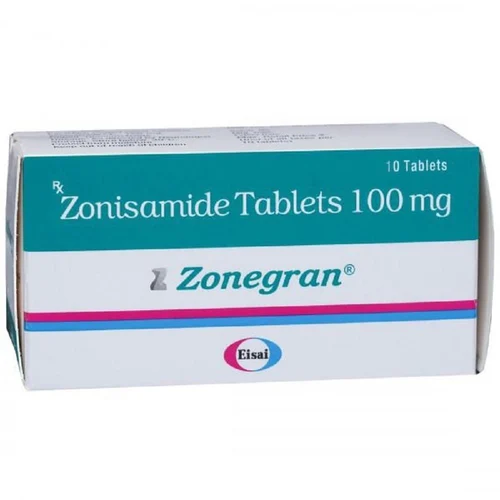
Zonegran 100mg (Zonisamide)
Previous product

Zocon-AS Kit
A$69.31 A$171.84Price range: A$69.31 through A$171.84
Next product

Zoviclovir 5% Cream 10g (Acyclovir)
A$25.99 A$79.42Price range: A$25.99 through A$79.42
A$38.99 A$99.64Price range: A$38.99 through A$99.64
In Stock
In Stock
Zonegran 100mg (Zonisamide)
| Pack Size | Price | Quantity | Add To Cart | |
|---|---|---|---|---|
| 30 Tablet/s | A$38.99 | |||
| 60 Tablet/s | A$70.76 | |||
| 90 Tablet/s | A$99.64 | |||
| Want to order in bulk / B2B price? Send Inquiry | ||||
×
Sorry!! Out of Stock
Sorry! Zonegran 100mg (Zonisamide) is out of stock
Please click below to view other similar medications.
View All Zonisamide Products

Offer You Can't Resist
Free Shipping
Enjoy Free Shipping on Orders above AUD304 (USD199)
Estimate Shipping :
22 July - 29 July
43
Excellent service
The website is easy to navigate, and my order arrived exactly as expected. Excellent service
 Australia
June 27, 2026
Last Updated on July 02, 2026

Description
Product Overview
Zonegran 100mg is a prescription drug containing Zonisamide as an antiepileptic drug (AED) that is used for treating seizures that are caused by epilepsy. Zonisamide is part of the sulfonamide family of anticonvulsants and is renowned for its broad-spectrum action against different kinds of seizures.
Made by trusted pharmaceutical firms, the Zonegran drug is used for the purpose of controlling partial (focal) seizures, as well as commonly used as an adjunctive therapy in the treatment of complex epilepsy issues.
What is Zonegran 100mg Used For?
Zonegran 100mg can be used to treat:
- Partial (focal) seizures: Seizures start in an area of the brain that can develop.
- Secondary generalized seizures: These seizures begin as partial seizures, but later spread to the whole brain.
- Adjunct therapy: Most often, they are prescribed with other antiepileptic medications when seizures can’t be completely controlled with one medication.
Why Is Seizure Control Important?
Epileptic seizures vary between brief interruptions of attention and massive convulsions, and can impact the quality of your life. Regularly controlling seizures can lower the chance of injuries, boost the quality of life, and boost overall health and well-being.
How Does Zonegran (Zonisamide) Work?
Zonisamide can exert its antiepileptic effects via a myriad of ways:
- Sodium channel blockade: Zonisamide blocks voltage-dependent sodium channels within neurons, decreasing the excitability of the neurons and stopping the propagation of electrical abnormalities.
- T-type calcium channel inhibition: It blocks calcium channels with low thresholds and reduces abnormal firing of the brain.
- Modulation of neurotransmitters: Zonegran can influence the activities of neurotransmitters, such as GABA and glutamate, assisting in maintaining neural activity.
This action is multi-targeted and makes Zonisamide efficient against different types of seizures.
Dosage and Administration
Recommended Dosage:
- Starting dose: Most commonly, 100mg is taken once a day.
- Maintenance dose: The typical dose is between 100mg and 400mg each day, split into two or more dosages.
- The adjustments to doses are done gradually by the healthcare professional, depending on the response of the patient and tolerance.
Administration Tips:
- Zonegran tablets are best taken whole, along with water.
- It is a good supplement to take with or without food. However, eating it along with food could lessen stomach upset.
- A consistent dose every day will help to maintain the stability of the dosage levels of drugs in the body.
- Don’t stop abruptly without consulting your doctor, since the medication could cause seizures.
Important Safety Information
Contraindications:
- There is a known hypersensitivity reaction to zonisamide and other Sulfonamides.
- The history of allergic reactions, including rash and swelling, triggered by sulfa-based drugs.
Warnings and Precautions:
- Kidney stones: Zonegran can increase the chance of kidney stones. Maintaining an adequate level of hydration is crucial.
- Metabolic acidosis: A few rare cases that are related to metabolic acidosis (acid-base imbalance) have been documented; symptoms are fatigue, rapid breathing, and confusion.
- Suicidal thoughts: As with many other AEDs, Zonisamide carries a slight risk of mood swings and depression as well as suicidal thoughts. The caregiver and patient should watch the patient’s behavior of the patient for changes.
- Allergic reactions: Be on the lookout for signs of rash, fever, or swelling that could indicate more serious skin reactions.
- Cognitive and psychiatric effects: It can cause dizziness, drowsiness, or trouble concentrating.
Side Effects
Although many people can tolerate Zonegran 100mg, some people might experience adverse reactions, for example:
Common Side Effects:
- Drowsiness or sedation
- Dizziness or loss of balance
- Nausea and gastrointestinal discomfort
- Headache
- Loss of appetite or weight loss
Less Common but Serious Side Effects:
- Kidney stones (nephrolithiasis)
- Severe allergic skin reactions (Stevens-Johnson syndrome)
- Mood changes, depression, or anxiety
- Metabolic acidosis
- Visual disturbances
Inform any persistent or severe negative side effects to your medical doctor immediately.
Drug Interactions
Zonegran 100mg may interfere with other medications and could alter the way it functions or even cause adverse consequences. The most important interactions are:
- Other antiepileptic drugs: Carbamazepine, phenobarbital, phenytoin, and valproate could influence blood zonisamide levels.
- Carbonic anhydrase inhibitors: Acetazolamide and other drugs can increase the chance of metabolic acidosis.
- CYP3A4 inducers: Drugs that stimulate liver enzymes may lower the levels of zonisamide.
- Alcohol: The effects of sedation may be increased and can impair coordination.
Be sure to inform your physician of the medications, supplements, and herbal remedies you’re using.
Use in Special Populations
Pregnancy and Breastfeeding:
- Pregnancy: Zonegran is classified as a pregnancy class C. Therefore, it is not a risk for the fetus to be eliminated. Only use if the benefits are greater than the risk.
- Breastfeeding: Zonisamide can be found in the milk of a mother; consult an experienced healthcare professional before starting giving birth.
Pediatric Use:
Zonegran is a prescription drug for youngsters aged between 16 and over. Pediatric dosing requires careful adjustment.
Elderly:
Begin with lower doses because of the possibility of a decrease in kidney function.
Precautions for Patients
- Avoid dehydration: Get plenty of fluids in your system daily to avoid kidney stones.
- Do not stop medication abruptly: Sudden discontinuation can cause seizures.
- Avoid driving or operating heavy machinery: It is not yet clear what effects Zonegran has on you since it could result in dizziness or sleepiness.
- Regular monitoring: Tests for kidney function and blood tests might be needed as part of the treatment.
Storage Instructions
- Keep Zonegran tablets at room temperature, ranging from 20°C to 25°C (68°F to 77°F).
- Store the medication in the original container securely sealed.
- Guard against light and moisture.
- Be sure to keep away from children.
Frequently Asked Questions (FAQs)
Q: How quickly does Zonegran start working?
A: It could take several weeks before you notice a decrease in seizures as adjustments to doses are made with care.
Q: Can I drink alcohol while taking Zonegran?
A: Alcohol may cause side effects, including dizziness and drowsiness, and can also aggravate the control of seizures. The best option is to stay clear of or limit your intake of alcohol.
Q: What should I do if I miss a dose?
A: Do it as quickly as you can remember, unless it’s just before your next dose. Avoid double doses.
Q: Can Zonegran cause weight loss?
A: Yes, Indeed, appetite loss as well as weight loss has been reported as adverse effects among some patients.
Summary
Zonegran 100mg (Zonisamide) is a powerful, broad-spectrum antiepileptic drug that is designed to control partial or secondary generalized seizures. Its distinct mechanisms of action, as well as once- or twice-a-day dosing, make it an excellent option for a lot of patients with epilepsy.
Patients must always take Zonegran in the presence of a licensed medical professional for the safety and effectiveness of treatment, dosage adjustments that are appropriate, and checking for any adverse effects.
Disclaimer: This information is intended for educational purposes only. It is not intended to be used to replace the advice of your healthcare doctor. Always consult with a physician or pharmacist before starting or altering any medications.
Additional Information
| Active Ingredient: | Ziprasidone |
|---|---|
| Indication: | Epilepsy |
| Manufacturer: | Eisai Pharmaceuticals India Pvt. Ltd. |
| Packaging: | 10 Tablets in 1 Strip |
| Strength: | 100mg |
| Delivery Time: | 7 To 15 days |
Reviews (1)
1 review for Zonegran 100mg (Zonisamide)
Related products










Recently Viewed
Ethan Wood –
Zonegran 100 Mg helps control my seizures without making me feel sluggish. Fantastic product!