

Zole Ointment (Miconazole)
Previous product
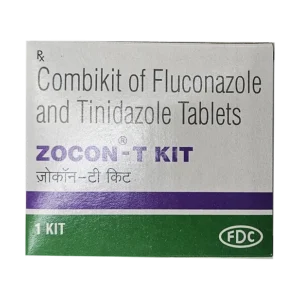
Zocon-T Kit (Fluconazole/Tinidazole)
A$22.46 A$63.17Price range: A$22.46 through A$63.17
Next product
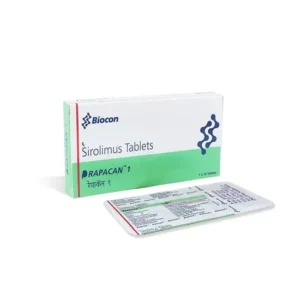
Rapacan 1mg (Sirolimus)
A$217.59 A$596.62Price range: A$217.59 through A$596.62
A$29.48 A$77.21Price range: A$29.48 through A$77.21
In Stock
In Stock
Zole Ointment (Miconazole)
| Pack Size | Price | Quantity | Add To Cart | |
|---|---|---|---|---|
| 3 Ointment/s | A$29.48 | |||
| 6 Ointment/s | A$42.11 | |||
| 12 Ointment/s | A$77.21 | |||
| Want to order in bulk / B2B price? Send Inquiry | ||||
×
Sorry!! Out of Stock
Sorry! Zole Ointment (Miconazole) is out of stock
Please click below to view other similar medications.
View All Miconazole Products

Offer You Can't Resist
Free Shipping
Enjoy Free Shipping on Orders above AUD304 (USD199)
Estimate Delivery :
24 October - 31 October
33
Excellent service overall
Smooth checkout, quick dispatch, and secure delivery. Excellent service overall
 Australia
October 1, 2026
Last Updated on July 02, 2026

Description
Zole Ointment (Miconazole) – Effective Antifungal Cream
Brand Name: Zole
Generic Name: Miconazole Nitrate
Dosage Form: Topical ointment
Strength: Typically 2% w/w (confirm based on packaging)
Manufacturer: (Insert Manufacturer Name)
Therapeutic Class: Antifungal agent
Prescription Required: Usually OTC, but consult healthcare provider
What is Zole Ointment?
Zole Ointment contains Miconazole nitrate, which is a powerful antifungal medicine that is applied on the skin to treat fungal infections. It’s part of the class of antifungals known as azoles that act by blocking the development of fungi on the skin’s surface.
This cream is particularly effective against the dermatophytes that cause infections (such as Trichophyton, Microsporum, Epidermophyton species) as well as yeasts such as Candida albicans and many other fungi that are susceptible. The ointment is extensively used to treat diseases such as foot and ankle ailments, ringworm, jock itch, and candidiasis of the cutaneous area.
Uses and Indications
Zole Ointment is intended for treating:
- Tinea infections (Dermatophytosis):
- Tinea pedis (athlete’s foot)
- Tinea cruris (jock itch)
- Tinea corporis (ringworm of the body)
- Tinea versicolor (skin discoloration due to fungal infection)
- Candidiasis:
- Cutaneous candidiasis that affects moist places like the breasts, groin, and skin folds.
- Other fungal skin infections:
- Fungal infections that are caused by organisms susceptible to.
How Does Zole Ointment Work?
Miconazole, which is the active ingredient, found in Zole, is a drug that works by stopping the synthesis of ergosterol, which is a vital part of the fungal cell membranes. Without ergosterol, the membrane of fungal cells becomes weak and leaky, which leads to the death of the fungal cell.
This mechanism of antifungal helps prevent the growth and spreading of fungi on the skin. This helps to relieve the redness, itching, and scaling that can be caused by fungal infections.
How to Use Zole Ointment
- Application Area: Dry and clean the affected region thoroughly before application.
- Amount: Spread a thin layer of Zole Ointment on the skin affected and around the region.
- Frequency: In general, you should apply it twice a day (morning and evening) or as instructed by your doctor.
- Duration: Utilize for a minimum of 2 to 4 weeks, even if symptoms start to improve sooner, in order to make sure you are completely free of infection.
- Avoid: Applying the lotion to damaged or open wounds unless directed by a physician. Do not apply to the eyes and mucous membranes.
Precautions and Warnings
- Allergy: Avoid using it if you suffer from an allergy to miconazole or other antifungals containing azole.
- Skin Sensitivity: Stop using if itching, red skin, or an increase in rash.
- Pregnancy & Breastfeeding: The majority of people consider it safe for application during lactation and pregnancy. However, consult with your physician before you use it.
- Children: Be cautious when using this product in children as well as babies. Dosing for children is recommended.
- Not for systemic infections: Zole Ointment is intended designed for use on the outside and is not a treatment for general fungal infections.
Possible Side Effects
Zole Ointment is usually very well-liked. Some users might have:
- Mild burning or stinging sensation after application
- Local irritation or redness
- Allergic contact dermatitis (rare)
- Skin peeling or dryness on the area being treated
If severe irritation or an allergic reaction develops (swelling or itching, swelling, or rash that spreads), stop using and consult your physician.
Storage Instructions
- Keep at room temperature, out of direct sunlight and moisture.
- Make sure the tube is tightly sealed following use.
- Stay out of the reach of pets and children.
- Do not use after the expiration date.
Why Choose Zole Ointment?
- Effective Broad-Spectrum Antifungal: Protects against various fungal organisms that are responsible for the most the most common skin diseases.
- Fast-Acting Relief: It helps reduce redness, itching, and irritation quickly.
- Easy to Use: Smooth ointment base suitable for application on affected skin.
- Affordable: It is a cost-effective method of fighting fungal infections.
- Trusted Quality: Produced in accordance with strict quality specifications.
Frequently Asked Questions (FAQs)
Q1: Can Zole Ointment be used on the face?
A: The cream can be applied to the face to treat fungal diseases, but use take care. Beware of applying it to the eye area. Ask your physician about skin inflammations.
Q2: How long does it take to see results?
A: The symptoms of itching and redness tend to improve after a couple of days. But it is important to continue the treatment throughout the prescribed time in order to stop the recurrence.
Q3: Can I use Zole Ointment with other creams?
A: Beware of using any other topical product in conjunction, unless they are prescribed by your doctor, in order to avoid the possibility of irritation or interactions.
Q4: Is Zole Ointment safe for children?
A: The majority of people are safe, but it should only be used under the supervision of a physician for the very young infants or children who are still in their early years.
Q5: What should I do if the infection worsens?
A: Do not use the ointment again and speak with a doctor promptly.
Conclusion
Zole Ointment (Miconazole) is an effective and reliable topical antifungal solution that can be used to treat different types of fungal skin conditions. The antifungal effect fights the fungal infections that cause common illnesses such as athlete’s foot, ringworm, and candidiasis. It provides rapid relief from symptoms and stops the spread of the infection.
If you want to get the most benefit, apply in accordance with the instructions, ensure excellent hygiene, and follow treatments for the entire period. If your symptoms do not improve or persist, contact your doctor immediately.
Additional Information
| Manufacturer | Sun Pharmaceutical Industries Ltd |
|---|---|
| Pharmaceutical | Ointment/s |
| Strength | 2% |
| Pack Size | 3 Ointment/s, 6 Ointment/s, 12 Ointment/s |
Related products
Recently Viewed
Reviews
There are no reviews yet.