

Zecyte 250mg (Abiraterone)
Previous product

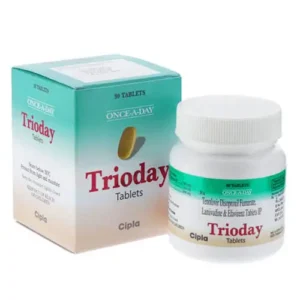
Trioday 300/300/600mg (Lamivudine/Tenofovir/Efavirenz)
$120.00 $268.75Price range: $120.00 through $268.75
Next product

Entehep 1mg (Entecavir)
$120.00 $281.00Price range: $120.00 through $281.00
$829.00 $2,056.00Price range: $829.00 through $2,056.00
In Stock
In Stock
Zecyte 250mg (Abiraterone)
| Pack Size | Price | Quantity | Add To Cart | |
|---|---|---|---|---|
| 120 Tablet/s | $829.00 | |||
| 240 Tablet/s | $1,375.00 | |||
| 360 Tablet/s | $2,056.00 | |||
| Want to order in bulk / B2B price? Send Inquiry | ||||
×
Sorry!! Out of Stock
Sorry! Zecyte 250mg (Abiraterone) is out of stock
Please click below to view other similar medications.
View All Abiraterone Products
Offer You Can't Resist
Free Shipping
Enjoy Free Shipping on Orders above AUD304 (USD199)
Estimate Delivery :
20 October - 27 October
20
Excellent service overall
Smooth checkout, quick dispatch, and secure delivery. Excellent service overall
 Australia
October 1, 2026
Last Updated on June 30, 2026

Description
Introduction
Zecyte 250mg contains Abiraterone acetate, a specific inhibitor that is a selective inhibitor of the CYP17 enzyme, which is crucial in the biosynthesis of androgen. It is used primarily in treating metastatic castration-resistant prostate cancer (mCRPC). Inhibiting androgen production, not just in the testes, but within the adrenal glands as well as cancerous tissue, Abiraterone effectively suppresses androgen-driven cancer growth.
Zecyte marks a breakthrough in the management of prostate cancer, aiding in prolonging survival and increasing the quality of life for those suffering from advanced cancer.
Composition
- Each tablet contains:
Abiraterone acetate – 250 mg (equivalent to abiraterone 215 mg) - Excipients include lactose monohydrate, microcrystalline cellulose, sodium starch glycolate, and others ensuring stability and bioavailability.
Pharmacological Class
- Therapeutic Class: Antineoplastic agent
- Pharmacological Class: CYP17 (17α-hydroxylase/C17,20-lyase) inhibitor
- ATC Code: L02BX03
Mechanism of Action
Abiraterone is a selective and irreversible inhibitor of CYP17A1, which is an important enzyme that plays a role in androgen biosynthesis within the adrenal glands, testes, and prostate tumor tissues. The inhibition causes a reduction in testosterone production and the release of other androgens, which promote the growth of prostate cancer.
Indications
- Treatment of metastatic castration-resistant prostate cancer (mCRPC) in combination with prednisone or prednisolone.
- Treatment of metastatic high-risk castration-sensitive prostate cancer (mCSPC) in combination with androgen deprivation therapy (ADT).
Dosage and Administration
- The dose recommended by Zecyte will be 1000 mg (four 250 mg tablets) each day consumed orally, on an empty stomach (at minimum 1 hour prior to or 2 hours post-food).
- The concurrent administration of prednisone and prednisolone at 5 mg two times every day is required to control the excess mineralocorticoid caused by CYP17 inhibition.
- Continue androgen deprivation therapy (e.g., LHRH agonists/antagonists) during treatment unless surgical castration has been performed.
Contraindications
- Hypersensitivity to Abiraterone and any other excipients.
- Severe hepatic impairment (Child-Pugh Class C).
- Breastfeeding and pregnancy (not relevant in the case of prostate cancer, but not recommended for women).
Warnings and Precautions
- Mineralocorticoid excess: Abiraterone may cause hypertension, hypokalemia, and fluid retention. Be sure to monitor your blood pressure, potassium levels in the serum, as well as signs of fluid overload, often.
- Liver function: Be sure to monitor liver enzymes prior to and regularly throughout treatment; take a break or stop treatment if Hepatotoxicity is observed.
- Cardiovascular risk: Be cautious when using this medication in patients who have a previous history of cardiovascular diseases or other risk factors.
- Adrenal insufficiency: The co-administration of corticosteroids reduces the risk. Look out for signs.
- Drug interactions: Beware of the use of strong CYP3A4 stimulants and inhibitors. Look for changes in effectiveness or toxic effects.
Adverse Effects
Common adverse reactions:
- Fatigue
- Joint swelling or pain (arthralgia)
- Edema
- Hypertension
- Hypokalemia
- Hot flashes
- Diarrhea
- Nausea
Serious adverse reactions:
- Hepatotoxicity
- Cardiac disorders including arrhythmias
- Adrenal insufficiency
- Severe fluid retention and heart failure (rare)
Drug Interactions
- CYP3A4 inhibitors (e.g., ketoconazole, clarithromycin) could boost Abiraterone plasma levels.
- CYP3A4 inducers (e.g., rifampicin, carbamazepine) can lower Abiraterone levels, which could reduce the effectiveness of.
- Avoid using drugs that alter the mineralocorticoid pathway or levels of potassium.
- Be sure to inform healthcare providers of all medicines that are taken in conjunction with each other.
Use in Special Populations
- Hepatic impairment: Adjustments to doses are not recommended. Avoid use in cases of the presence of severe liver impairment.
- Renal impairment: A dose adjustment is not required for moderate to mild impairment.
- Elderly: There are no specific dosage adjustments. Be aware of the negative side effects.
- Pregnancy and lactation: Contraindicated (women).
Storage
- Maintain below 30°C in a dry, dark place that is away from direct sunlight.
- Be sure to keep away from children.
- Tablets should be stored in their original containers until they are used.
Patient Counseling
- Use Zecyte tablets as directed on an empty stomach.
- Avoid eating at least 1 hour prior to and for 2 hours following the medicine.
- Use corticosteroids according to instructions, in order to limit adverse effects.
- Check your levels of potassium and blood pressure often.
- Inform the doctor about symptoms like swelling, sudden weight gain, chest pains, and shortness or slurred breath, immediately.
- Be sure to inform all health professionals about the usage of Zecyte.
Conclusion
Zecyte 250mg (Abiraterone acetate) is a breakthrough treatment for prostate cancers that are advanced, providing targeted androgen biosynthesis inhibition, which extends life and increases results in patients with metastatic disease resistant to castration. Ensuring that the patient is monitored and adheres to the drug provides a safe and effective option for the treatment of prostate cancer.
Related products

Reviews
There are no reviews yet.