

Xovoltib 50mg (Afatinib Dimaleate)
Previous product
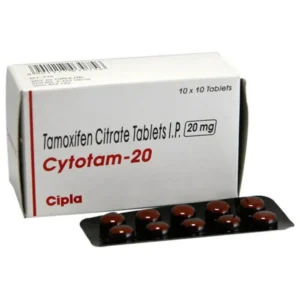
Cytotam 20mg (Tamoxifen)
A$13.00 A$34.66Price range: A$13.00 through A$34.66
Next product
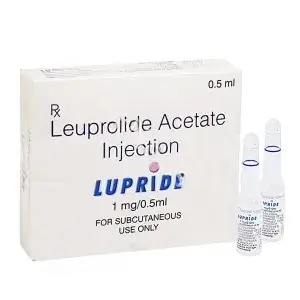
Lupride 1mg injection
A$50.54 A$142.96Price range: A$50.54 through A$142.96
A$142.96 A$4,028.76Price range: A$142.96 through A$4,028.76
In Stock
In Stock
Xovoltib 50mg (Afatinib Dimaleate)
| Pack Size | Price | Quantity | Add To Cart | |
|---|---|---|---|---|
| 28 Tablet/s | A$142.96 | |||
| 56 Tablet/s | A$2,599.20 | |||
| 84 Tablet/s | A$4,028.76 | |||
| Want to order in bulk / B2B price? Send Inquiry | ||||
×
Sorry!! Out of Stock
Sorry! Xovoltib 50mg (Afatinib Dimaleate) is out of stock
Please click below to view other similar medications.
View All Afatinib Dimaleate Products
Offer You Can't Resist
Free Shipping
Enjoy Free Shipping on Orders above AUD304 (USD199)
Estimate Shipping :
04 September - 11 September
29
Last Updated on June 29, 2026

Description
Product Overview
Xovoltib 50mg contains Afatinib Dimaleate, a potent and irreversible tyrosine kinase inhibitor (TKI) which targets specific receptors in the ErbB group of receptors comprising the epidermal growth factor receptor (EGFR) as well as the human epidermal growth factor receptor 2 (HER2). Afatinib is mainly used for the treatment of non-small cell lung cancer (NSCLC), which has a specific mutation within the EGFR gene.
Afatinib represents an innovative targeted therapy that blocks cancer growth and progression by blocking signals that are responsible for the growth and survival of cancer cells. It’s particularly beneficial for cancer patients with active mutations within the EGFR gene. It is the alternatives to conventional treatments that have improved efficacy as well as a safety profile.
Active Ingredient
- Afatinib Dimaleate — 50 mg per tablet
Indications
Xovoltib 50mg is indicated for:
- The first-line treatment for patients who have metastatic non-small cell lung cancer (NSCLC) which has activated EGFR mutations (exon 19 deletions or exon 21 L858R substitution mutations).
- Treatment for patients suffering from locally metastatic or adolescent NSCLC who have squamous histology, following unsuccessful platinum-based chemotherapy.
- Other cancers also express ErbB family receptors, as identified by clinical judgement or ongoing studies.
Mechanism of Action
Afatinib is an irreversible inhibitor of the ErbB group of tyrosine Kinases that includes EGFR (ErbB1), HER2 (ErbB2), and HER4 (ErbB4). The receptors are crucial in controlling the cell’s proliferation, survival, and the process of differentiation.
Covalently binding to protein kinase receptors, Afatinib inhibits the downstream signaling pathways, such as the PI3K/AKT and RAS/RAF/MEK/ERK pathways that are frequently abnormally activated during cancer. This inhibits cancer cell growth and increases the rate of apoptosis (programmed death of cells), which results in the shrinkage of tumors and reduction in disease.
Dosage and Administration
- Recommended dose: 40 mg once a day orally. However, based on the level of tolerance for each patient, increasing to 50 mg or decreasing to 30 mg could be needed.
- Tablets must be consumed in the same order each time throughout the day, preferably on an empty stomach. This can be done either an hour prior to or 2 hours after eating for a regular intake.
- The treatment continues until the disease progresses or unacceptable toxicity develops.
- The dosage adjustments are in response to adverse reactions, especially gastrointestinal and dermatologic toxicities.
Pharmacokinetics
- Absorption: Afatinib is absorbed after the administration of oral medication, with maximum plasma concentrations appearing within 2 to 5 hours. The absorption is impacted by food, so dosing guidelines favor the administration of Afatinib on an empty stomach.
- Bioavailability: Around 92% of people have fasting conditions.
- Distribution: Highly protein bound (>95%).
- Metabolism: Hepatic metabolism is minimal; it’s primarily excreted in a non-destructive manner.
- Elimination: Mostly via feces (~85%), with minor renal excretion (~4%).
- Half-life: About 37 hours of time, this supports the daily dose.
Efficacy
Clinical studies have proven that afatinib can improve progression-free survival and the overall rates of responses in patients with NSCLC that is EGFR-mutant in comparison to chemotherapy or second-generation EGFR TKIs. The drug has demonstrated long-lasting responses for patients, particularly those with commonly occurring EGFR mutations such as the exon 19 deletions and Exon 21 L858R.
For squamous NSCLC following chemotherapy failure, the drug afatinib provides a chance to live as well as improvement in symptom severity over conventional treatments.
Safety and Side Effects
Common adverse reactions:
- Diarrhea (most frequent, often grade 1-2)
- Rash/acneiform dermatitis
- Stomatitis (mouth sores)
- Paronychia (nail infections/inflammation)
- Fatigue
- Decreased appetite
- Nausea and vomiting
Serious adverse events:
- Severe diarrhea leading to dehydration
- Interstitial lung disease/pneumonitis (rare but potentially fatal)
- Hepatotoxicity
- Cardiac dysfunction (rare)
Monitoring closely and providing supportive care are essential to control adverse effects. Reduced doses or interruptions to dosing may improve tolerance.
Precautions and Contraindications
- Do not recommend it for patients with suspected hypersensitivity to afatinib and formulation excipients.
- Take care when using this medication in people with existing gastrointestinal conditions due to the danger of developing diarrhea.
- Regularly monitor liver function tests throughout the course of treatment.
- Patients suffering from pulmonary symptoms must be examined immediately for signs of interstitial lung disease.
- Utilize effective contraception up to 3 months following treatment to avoid the possibility of teratogenic side effects.
- Avoid during breastfeeding and pregnancy.
- Modification of dosage may be necessary in patients who have extreme renal impairment.
Drug Interactions
- Afatinib can be a substrate for P-glycoprotein (P-gp), and inhibitors of P-gp (e.g., ketoconazole, ritonavir) could increase afatinib plasma levels, thereby increasing the risk of toxicity.
- P-gp inducers (e.g., rifampin, St. John’s Wort) could lower afatinib levels, which could result in a decrease in effectiveness.
- Beware of concurrent use with any other EGFR-targeting drugs unless prescribed by an oncologist.
- Beware of drugs that could cause QT extension.
Use in Special Populations
- Elderly: In general, there are no differences in effectiveness or safety that have been observed. However, careful monitoring is advised.
- Hepatic impairment: Limitations of data. Use cautiously and be aware of the liver’s function.
- Renal impairment: Dose adjustments are recommended in cases of severe impairment.
- Pregnancy and lactation: Unrecommended due to risk of birth injury.
Storage
- Keep tablets in a controlled area at room temperatures, 20-25°C (68-77°F).
- Guard against light and moisture.
- Make sure that the area is safe for children.
Patient Counseling Information
- You should take Xovoltib simultaneously each day, on an empty stomach.
- Don’t chew or crush tablets. Instead, swallow them whole in water.
- Drink plenty of water, especially when diarrhea is a problem.
- Inform the authorities of any symptoms such as severe diarrhea, rash, difficulty breathing, or liver disorders immediately.
- Beware of grapefruit juice and grapefruit, as they can interact with the metabolism of drugs.
- Inform your healthcare provider about all medicines you are taking to prevent interactions.
- Make sure you are using a contraceptive method that is effective during treatment as well as for a specified duration following.
- Participate in all scheduled appointments to ensure surveillance, monitoring, and follow-up.
Summary Table
| Parameter | Details |
| Generic Name | Afatinib Dimaleate |
| Brand Name | Xovoltib |
| Drug Class | Tyrosine Kinase Inhibitor (EGFR/HER2 TKI) |
| Strength | 50 mg per tablet |
| Indications | EGFR-mutated metastatic NSCLC; squamous NSCLC post-chemotherapy |
| Dosage | Usually 40 mg once daily; may adjust 30-50 mg |
| Administration | Oral, once daily on empty stomach |
| Mechanism of Action | Irreversible inhibition of ErbB receptor family |
| Common Side Effects | Diarrhea, rash, stomatitis, paronychia |
| Serious Side Effects | Severe diarrhea, interstitial lung disease |
| Contraindications | Hypersensitivity, pregnancy |
| Storage | Room temperature, dry place |
Conclusion
Xovoltib 50mg (Afatinib Dimaleate) is an extremely beneficial targeted therapy for those who have EGFR mutations in their non-small-cell lung cancer. It provides important clinical benefits regarding survival rates that are not affected by progression and overall quality of living. The mechanism behind it, irreversible ErbB receptor inhibition, is an innovative therapeutic approach that goes beyond the traditional treatment options.
The effective control of adverse consequences and the adherence to dose instructions are essential for maximizing the benefits of the drug and reducing risk. If properly monitored, Xovoltib is a valuable part of the modern, customized cancer treatment.
Additional Information
| Manufacturer | Boehringer Ingelheim India Pvt.Ltd |
|---|---|
| Pharmaceutical | Tablet/s |
| Strength | 50 mg |
| Pack Size | 28 Tablet/s, 56 Tablet/s, 84 Tablet/s |
Related products
Recently Viewed

Reviews
There are no reviews yet.