
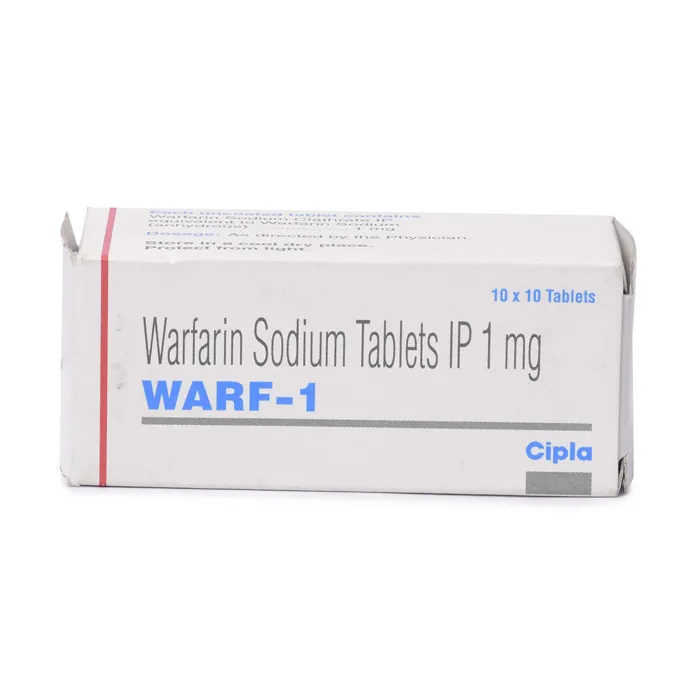
Warf 1mg (Warfarin)
Previous product
Cordarone 100mg (Amiodarone)
A$23.10 A$47.78Price range: A$23.10 through A$47.78
Next product
Enapril 2.5mg (Enalapril)
A$14.00 A$28.00Price range: A$14.00 through A$28.00
A$22.54 A$43.68Price range: A$22.54 through A$43.68
In Stock
In Stock
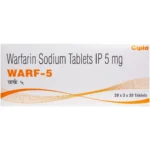
Warf 1mg (Warfarin)
| Pack Size | Price | Quantity | Add To Cart | |
|---|---|---|---|---|
| 60 Tablet/s | A$22.54 | |||
| 90 Tablet/s | A$33.04 | |||
| 120 Tablet/s | A$43.68 | |||
| Want to order in bulk / B2B price? Send Inquiry | ||||
×
Sorry!! Out of Stock
Sorry! Warf 1mg (Warfarin) is out of stock
Please click below to view other similar medications.
View All Warfarin Products
Offer You Can't Resist
Free Shipping
Enjoy Free Shipping on Orders above AUD304 (USD199)
Estimate Shipping :
02 July - 09 July
20
High quality product
ARMOD 50 MG is a high quality product. I have tried many nootropics before, but ARMOD stands out because of its efficacy and consistency.
 Australia
May 4, 2025
Response from Modalertaustralia
Thank you for your wonderful feedback! We’re thrilled to hear that ARMOD 50 MG stands out for you in terms of efficacy and consistency. Providing reliable, high-quality products our customers can depend on is exactly what we aim for. We truly appreciate you sharing your experience!
Last Updated on June 29, 2026

Description
Warf 1mg Tablet (Warfarin Sodium)
Category: Anticoagulant
Dosage Form: Oral tablet
Strength: 1 mg
Brand Name: Warf
Generic Name: Warfarin Sodium
Manufacturer: Various pharmaceutical companies
Overview
Warf 1mg is a prescribed medicine that is used to stop and treat dangerous blood clots within the body. It is part of a group of medicines that are known as oral anticoagulants or blood thinners. The primary function of this drug is to stop the growth of blood clots. These may cause problems like deep vein thrombosis (DVT) and pulmonary embolism (PE) as well as strokes, particularly in people who suffer from certain heart diseases or following certain kinds of surgeries.
The active ingredient, warfarin sodium, is a drug that blocks Vitamin K action, which is vital in the creation of clotting factors II, VII, IX, and X. In reducing the clotting factor, Warfarin decreases the blood’s capacity to make clots.
Indications
Warf 1mg is indicated for:
- Treatment and prevention of deep vein thrombosis (DVT)
- Treatment and prevention of pulmonary embolism (PE)
- Stroke prevention in patients suffering from atrial fibrillation
- The prevention of thromboembolic complications for patients who have Mechanical heart valves
- The prevention of systemic embolism after myocardial infarction (heart attack)
- Treatment of patients who are at an increased risk of blood clots
It is typically prescribed as a treatment for long-term use, under ongoing medical monitoring.
Dosage and Administration
- Initial Dose: It typically ranges from 2 to 5 mg daily. But your physician determines the most effective dose for you, based upon factors such as weight, age, liver function, and various other medicines.
- Maintenance Dose: The adjustment is based on the findings from the results of INR (International Normalized Ratio) blood tests. The aim is to have an INR that is typically between 2.0 and 3.0, though this can vary based on the illness that is being taken care of.
- Administration: Warf 1mg must be consumed at least once a day and preferably every day. Warf 1mg can be consumed in conjunction with or without food. Tablets must be taken whole, along with water.
Monitoring
Because of its limited therapeutic range, patients taking Warf require frequent INR checks to be sure that the blood loss is within the range of what is desired. A low INR can increase the chance of developing clots. A high INR could increase the risk of bleeding.
Missed Dose
If you miss a dose, the dose must be administered as quickly as possible so that it is remembered the next day. When it’s getting close to your next dosage, don’t take the dose that was missed- don’t take a double dose to cover the dose that was missed. Consult a physician if several doses have been missed.
Overdose
An overdose of Warf may cause severe or excessive bleeding. The symptoms could include bruising, which includes easy nasal bleeding, bleeding gums, bleeding in stool, and prolonged bleeding from a cut. If you suspect an overdose, prompt medical attention is necessary. Treatment options include Vitamin K, fresh frozen plasma, or concentrates of prothrombin.
Contraindications
Warf 1mg is not recommended in patients who suffer from:
- Conditions that increase the risk of bleeding
- Recent or planned surgery, especially involving the brain, spine, or eyes
- Severe liver disease
- Uncontrolled hypertension
- Known hypersensitivity to warfarin
- Pregnancy (especially in the first trimester) due to risk of fetal harm
- History of warfarin-induced skin necrosis
Precautions
- Regular Monitoring: Constant INR check-ups are required for ensuring safety and efficiency.
- Diet: An ongoing regular intake of high-quality vitamin K foods is essential. Unexpected changes to your diet, such as increases or decreases in leafy green vegetables, may influence the effects of warfarin.
- Alcohol Use: Alcohol can increase the chance of bleeding. It can also interfere with the warfarin metabolism. Infrequent or frequent use of alcohol is not recommended or discussed with your healthcare provider.
- Medical Procedures: Tell any health doctor, dentist, or surgeon of the fact that you’re taking warfarin before any surgery or procedure.
- Elderly Patients: Might be more sensitive to Warfarin’s effects and need lower doses.
Drug Interactions
Warf 1mg is a potent drug with a variety of interactions with other drugs. Certain drugs can enhance the effect of anticoagulants and increase the risk of bleeding. Other interactions could reduce the effectiveness of Warf. Important interactions include:
- Increased effect/bleeding risk with:
- Antibiotics (e.g., erythromycin, metronidazole)
- Antifungals (e.g., fluconazole)
- Antiplatelets (e.g., aspirin, clopidogrel)
- NSAIDs (e.g., ibuprofen, naproxen)
- Antidepressants (SSRIs, SNRIs)
- Decreased effect with:
- Barbiturates
- Rifampin
- Carbamazepine
- St. John’s Wort
- Food Interactions:
- Foods high in vitamin K such as kale, spinach, broccoli, cabbage, and Brussels sprouts
- Consistency is key— Be cautious about making major changes to your vitamin K intake when you are on warfarin treatment
Inform your doctor of the prescription and over-the counter medication, and other supplements you take.
Side Effects
Common Side Effects:
- Minor bleeding (gums, nosebleeds, bruising)
- Nausea
- Loss of appetite
- Abdominal discomfort
Serious Side Effects:
- Internal bleeding (evident from dark urine, tarry stools, prolonged bleeding)
- Skin necrosis (painful purple or blackened skin lesions)
- Calciphylaxis (rare, serious vascular condition)
- Purple toe syndrome (due to cholesterol embolism)
- Allergic reactions (rash, swelling, itching, difficulty breathing)
If any of these happen, stop using the product and immediately seek medical attention.
Use in Pregnancy and Breastfeeding
- Pregnancy: Warf is typically not advised because of the risk of birth defects or bleeding during fetal development, specifically at the beginning of the trimester and close to birth. However, in rare instances, the drug may be utilized at a moderate dose in patients who have mechanical heart valves, under strict surveillance.
- Breastfeeding: Warfarin is thought to be relatively safe during breastfeeding as very little of it gets through breast milk. But regular monitoring of both the mother and baby is suggested.
Storage
- Store at room temperature (15°C to 30°C)
- Be sure to shield yourself from heat and moisture
- Make sure that the items are out of the reach of young children
- Avoid using expired medications
Patient Counseling Information
Patients should be:
- The government was urged to implement regular INR monitoring
- To maintain a steady eating routine
- Be warned against using new medicines or stopping existing ones, unless advised by a medical professional
- Learned to spot signs of bleeding and when to seek medical attention
- It is recommended to carry medical identification to notify other people of the use of warfarin in the event of an emergency
Summary
| Parameter | Details |
| Drug Name | Warf 1mg (Warfarin Sodium) |
| Form | Oral Tablet |
| Class | Anticoagulant (Vitamin K Antagonist) |
| Indications | Prevention and treatment of blood clots |
| Administration | Once daily, orally |
| Monitoring | Regular INR blood tests |
| Main Risk | Bleeding |
| Contraindications | Pregnancy, active bleeding, surgery |
| Interactions | Many drugs and foods (esp. vitamin K rich) |
| Storage | Room temperature, dry place |
Warf 1mg can be a very beneficial medication if used under the strict supervision of a medical professional. It plays a crucial part in the prevention of life-threatening clot-related ailments; it requires dedication, consistency, and regular monitoring. Make sure you take it exactly as directed and don’t alter the dosage without consulting your physician.
Related products
Reviews
There are no reviews yet.