

Vymada 200mg (Sacubitril/Valsartan)
Previous product

Clocip B Cream 10gm (Clotrimazole/Beclometasone)
$13.50 $37.50Price range: $13.50 through $37.50
Next product
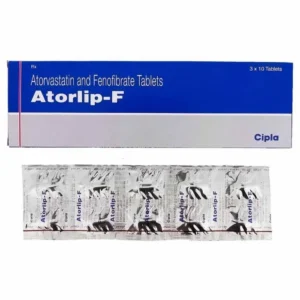
Atorlip F (Atorvastatin/Fenofibrate)
$29.00 $60.00Price range: $29.00 through $60.00
$187.50 $431.00Price range: $187.50 through $431.00
In Stock
In Stock
Vymada 200mg (Sacubitril/Valsartan)
| Pack Size | Price | Quantity | Add To Cart | |
|---|---|---|---|---|
| 28 Tablet/s | $187.50 | |||
| 56 Tablet/s | $300.00 | |||
| 84 Tablet/s | $431.00 | |||
| Want to order in bulk / B2B price? Send Inquiry | ||||
×
Sorry!! Out of Stock
Sorry! Vymada 200mg (Sacubitril/Valsartan) is out of stock
Please click below to view other similar medications.
View All Sacubitril/Valsartan Products
Offer You Can't Resist
Free Shipping
Enjoy Free Shipping on Orders above AUD304 (USD199)
Estimate Shipping :
24 July - 31 July
30
Last Updated on June 27, 2026

Description
Vymada 200 mg (Sacubitril/Valsartan) – Product Overview
Brand Name: Vymada
Generic Name: Sacubitril/Valsartan
Strength: 200 mg (usually a combination of 97 mg Sacubitril + 103 mg Valsartan)
Dosage Form: Oral Tablet
Therapeutic Class: Angiotensin Receptor-Neprilysin Inhibitor (ARNI)
Indication: Heart Failure with Reduced Ejection Fraction (HFrEF)
Product Description
Vymada 200 mg is a fixed-dose combination medicine that contains sacubitril as well as the drug valsartan. The combination of these two drugs is created to help treat heart problems by improving cardiac function, reducing the rate of hospitalization, and improving the chance of survival. It’s part of a brand new drug class known as Angiotensin Receptor-Neprilysin Inhibitors (ARNI). Sacubitril blocks neprilysin, an enzyme that is responsible for breaking down natriuretic proteins, which leads to an increase in the levels of these important peptides, which help to increase vasodilation, natriuresis, and diuresis. Valsartan can be described as an angiotensin II receptor blocker (ARB), which blocks angiotensin II, inducing vasoconstriction and the release of aldosterone, which reduces blood pressure as well as the stress of the cardiovascular system.
The combination offers a double method to address the common neurohormonal imbalances in patients with heart failure. It also provides more benefits than conventional treatments.
Mechanism of Action
- Sacubitril: Sacubitril is a neprilysin-related inhibitor. Neprilysin is a natriuretic peptide that breaks down, including atrial natriuretic peptide (ANP), brain natriuretic peptide (BNP), and several other vasoactive compounds. Through the inhibition of neprilysin and sacubitril, it boosts the amount of these peptides, which results in vasodilation and the process of natriuresis (sodium excretion), diuresis (fluid excretion), as well as suppression of hypertrophy and fibrosis of the heart muscle.
- Valsartan: Valsartan is a selective blocker of the angiotensin II type 1 (AT1) receptor, which blocks the actions of angiotensin II, an effective vasoconstrictor. The action decreases vasoconstriction and the secretion of aldosterone, as well as sodium retention. The result is lower blood pressure and a decrease in heart workload.
The combination improves cardiovascular protection by reducing postload and preload and promoting a favorable remodeling of the heart, as well as reducing the chance of progression to heart failure.
Indications
Vymada 200 mg Tablet is indicated for:
- Heart Failure with Reduced Ejection Fraction (HFrEF): Reduce the chance of hospitalization and death from heart failure.
- Management of Chronic Heart Failure: For patients who have symptomatic heart failure (NYHA Class II-IV) and a decreased ejection fraction.
- It could be utilized instead of ACE inhibitors or ARBs for patients who are suitable.
Dosage and Administration
- Starting Dose: The standard starting dose is 49 mg sacubitril/ 51 mg valsartan every two days (total 100 mg every day). The dosage is increased over the course of 2 to 4 months until you reach your goal dosage of maintenance, which is 100 mg sacubitril/103 mg valsartan daily (total 200 mg daily).
- Administration: Tablets must be consumed by mouth, two times a day, and without or with food. Suck the tablets whole, accompanied by water.
- Dose Adjustments: This may be necessary for patients who suffer from renal or hepatic impairment or are older.
- Washout Period: If you are changing from an ACE inhibitor to Vymada, the 36-hour washout duration is necessary to decrease the chance of developing angioedema.
- Monitoring: A regular check of renal function, blood pressure, and levels of potassium should be performed during treatment.
Contraindications
Vymada 200 mg should not be used in:
- Patients who’ve had previous angioedema that was related to prior ACE inhibitors or ARB treatment.
- The use of concurrently in conjunction with ACE inhibitors, or with aliskiren, in those suffering from diabetes or renal impairment.
- Patients suffering from severe liver deficiency (Child-Pugh Class C).
- A known hypersensitivity reaction to sacubitril the excipient valsartan.
- Pregnancy and breastfeeding (due to potential risk to fetus and infant).
Warnings and Precautions
- Angioedema: There is a risk of angioedema with sacubitril/valsartan. Patients need to be watched for any swelling in the lips, face, throat, or tongue, and the treatment must be stopped when there is angioedema.
- Hypotension: Hypotension can be asymptomatic, particularly for patients who are depleted in volume, older, those with a chronic condition, or using diuretics.
- Renal Impairment: The function of the kidney should be checked often, as medications could cause an increase in renal function.
- Hyperkalemia: Check your potassium levels, as hyperkalemia is a possibility, especially when patients are taking diuretics that have potassium-sparing properties and potassium supplementation.
- Pregnancy: Not recommended because of the danger of pregnancy-related toxicity. The most effective contraception is to be employed by pregnant women.
- Interactions: The use of ACE inhibitors and potassium supplements, NSAIDs, or lithium needs cautious surveillance.
Adverse Effects
Common side effects include:
- Hypotension
- Dizziness
- Hyperkalemia
- Cough (less frequent than ACE inhibitors)
- Renal impairment
- Fatigue
Less common but serious side effects:
- Angioedema
- Severe hypotension
- Worsening renal function
Patients must report any swelling on the throat or face, as well as breathing difficulties or even severe dizziness, immediately.
Drug Interactions
- ACE inhibitors: Angioedema risk increases; beware of concurrent treatment.
- Potassium-sparing diuretics, potassium supplements: Hyperkalemia is a risk factor that increases.
- NSAIDs: It may reduce kidney function and reduce the antihypertensive effects.
- Lithium: Possible lithium poisoning; check levels with care.
- Other antihypertensives: Increases the risk of developing hypotension.
Use in Special Populations
- Elderly: Do not require dose adjustments; keep an eye on hypotension and kidney function issues.
- Renal Impairment: Take care when using the medication; modifications may be required depending on the intensity.
- Hepatic Impairment: Avoid severe impairment. Be cautious in cases of moderate impairment.
- Pregnancy and Lactation: It is not recommended to use any alternative treatment.
Storage
- Place tablets in a cooler, dry area out of direct sunlight.
- Be sure to keep away from children.
- Store at room temperature (20°C to 25°C).
Patient Counseling Information
- Inform patients that they should consume Vymada precisely as directed, two times a day.
- Inform patients about the risk of hypotension or dizziness, particularly when standing quickly.
- Inform patients about any swelling in the lips, face, throat, or tongue immediately.
- Regularly monitor the kidney function, blood pressure, and electrolytes.
- Women who are pregnant should be warned to stay clear of pregnancy when taking the medication.
- Make sure to emphasize the importance of never discontinuing the medication suddenly without consulting with their doctor.
Conclusion
Vymada 200 mg (Sacubitril/Valsartan) offers an advanced therapeutic option for managing chronic heart failure with reduced ejection fraction by combining neprilysin inhibition with angiotensin receptor blockade. The dual mechanism of the drug addresses a variety of diseases that contribute to heart failure progression, which results in improved medical outcomes, fewer hospitalizations, and better health. A proper use under the supervision of a medical professional and patient education will ensure optimal results and decrease risk.
Additional Information
| Manufacturer | Novartis India Ltd |
|---|---|
| Pharmaceutical | Tablet/s |
| Strength | 200mg |
| Pack Size | 28 Tablet/s, 56 Tablet/s, 84 Tablet/s |
Related products



Recently Viewed






Reviews
There are no reviews yet.