
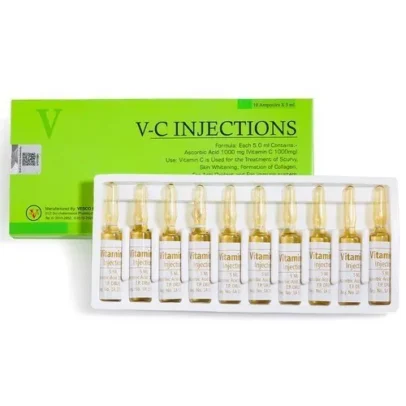
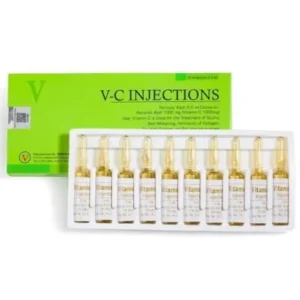
Vitamin C 1000mg Inj (Vitamin C/Ascorbic Acid)
Previous product
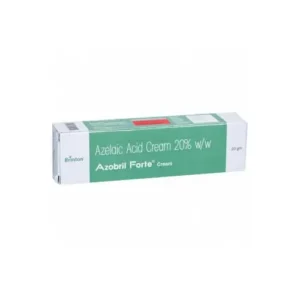
Azobril Forte Cream (Azelaic Acid)
$12.00 $105.00Price range: $12.00 through $105.00
Next product
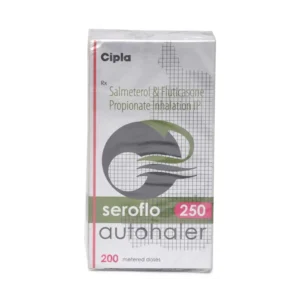
Seroflo synchrobreathe Inhaler (Salmeterol/Fluticasone)
$27.00 $61.50Price range: $27.00 through $61.50
$40.00 $180.00Price range: $40.00 through $180.00
In Stock
In Stock
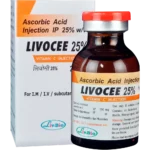
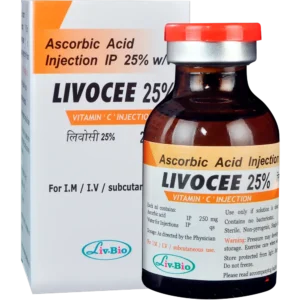
Vitamin C 1000mg Inj (Vitamin C/Ascorbic Acid)
| Pack Size | Price | Quantity | Add To Cart | |
|---|---|---|---|---|
| 10 Ampoule/s | $40.00 | |||
| 30 Ampoule/s | $100.00 | |||
| 60 Ampoule/s | $180.00 | |||
| Want to order in bulk / B2B price? Send Inquiry | ||||
×
Sorry!! Out of Stock
Sorry! Vitamin C 1000mg Inj (Vitamin C/Ascorbic Acid) is out of stock
Please click below to view other similar medications.
View All Vitamin C/Ascorbic Acid Products
Offer You Can't Resist
Free Shipping
Enjoy Free Shipping on Orders above AUD304 (USD199)
Estimate Shipping :
21 July - 28 July
32
Last Updated on June 27, 2026

Description
Introduction
Vitamin C 1000mg Injection, containing Ascorbic Acid, is an injectable formula with high potency created to give a fast and powerful dosage of Vitamin C directly into the bloodstream. Vitamin C is a crucial liquid vitamin that plays a vital part in many physiological functions like immune defense, antioxidant protection, collagen production, and overall health of cells. Injectable forms are particularly beneficial in situations where oral administration is not feasible or inadequate, in particular when patients are seriously ill or have malnutrition issues.
What is Vitamin C (Ascorbic Acid)?
Vitamin C is chemically referred to by its chemical name ascorbic acid, is an essential vitamin for human beings that cannot be made endogenously. It is obtained through diet or through supplementation. It is known for its antioxidant qualities as well as its immune-support properties. The crucial role it plays in the formation of collagen, which is the protein that forms the structure found in connective tissue and bones. It is also found in the skin, as well as the blood vessels.
Indications and Therapeutic Uses
Vitamin C 1000mg injection is utilized for a myriad of medical situations, for example:
- The treatment and the prevention of Vitamin C deficiency and Scurvy.
- Treatment for critically ill patients like sepsis, severe infections, or injuries, where Vitamin C demands are high.
- Improved the healing process and repair of tissue after surgery or trauma.
- Adjunctive therapy for cancer to enhance antioxidant protection and decrease treatment-related negative side effects.
- Support for chronic diseases that have oxidative stress, like chronic inflammation or cardiovascular disease.
- Patients suffering from malabsorption syndromes (e.g., Crohn’s disease, for instance) or who are unable to endure Vitamin C orally.
- Burns that are severe injuries, traumas, or post-operative healing, where an intravenous Vitamin C may aid in recovery.
Mechanism of Action
Vitamin C is able to exert its influence via a variety of mechanisms:
- Antioxidant Activity: Neutralizes free radicals as well as reactive oxygen species. This protects cells from damage caused by oxidation.
- Collagen Synthesis: Cofactor essential for enzymes like prolyl and lysyl-hydroxylase that help stabilize and cross-link collagen molecules, helping to heal wounds and maintain the integrity of tissues.
- Immune Modulation: Improves the functions of immune cells, such as T-cells and phagocytes, which boost the defence of the host.
- Iron Absorption: It helps reduce the conversion of ferrous iron to ferric and improves iron absorption in the intestines.
- Neurotransmitter Synthesis: Participates in the biosynthesis of serotonin and norepinephrine. They affect cognition and mood.
Dosage and Administration
- Dosage: In general, 1000 mg (1 gram) per dose. It is administered in the vein, according to the condition of the patient and on medical advice.
- Frequency: The schedule of dosing is based on the needs of the patient and may be given once daily or more than once daily in a critical care setting.
- Administration: Vitamin C injections should be mixed with a suitable intravenous fluid like 100ml of normal water or dextrose at 5%. Then, it should be infused slowly for 15 to 30 minutes.
- Route: Intravenous (IV) injection, also known as infusion, is the preferred method for quick and total bioavailability.
- Precautions: A proper dilution rate and correct infusion are crucial to prevent the risk of irritation to the vein.
Pharmacokinetics
- Absorption: The injection bypasses digestion to ensure full bioavailability.
- Distribution: It is rapidly distributed throughout the body’s tissues, particularly in leukocytes, adrenal glands, and the eyes.
- Metabolism: It is mostly metabolized by the liver.
- Excretion: The excess vitamin C is eliminated by the kidneys through the urine. This ensures that homeostasis is in good control.
Safety and Side Effects
Vitamin C 1000mg injection is typically innocuous when given correctly. But, possible side reactions could be:
- Local reactions: The pain, burning, or irritation at the site of injection.
- Allergic reactions: Rare cases of hypersensitivity or anaphylaxis.
- Gastrointestinal upset: Very rare, usually with large dosages.
- Renal concerns: A high dose of narcotics can increase the chance of developing kidney stones, particularly for those with kidney disease or an oxalate history stone.
- Hemolysis risk: For patients suffering from glucose-6-phosphate dehydrogenase (G6PD) deficit, large doses can cause hemolysis.
It is highly recommended to monitor closely, especially for those with already-existing kidney diseases or metabolic conditions.
Contraindications
- Hypersensitivity is a known complication to ascorbic acid or other components in the injector.
- Patients suffering from hemochromatosis or conditions of iron overload are at risk, as Vitamin C improves the absorption of iron.
- Patients who have had a previous history of kidney stones or kidney impairment must use Vitamin C injections with caution.
- Be cautious in patients with G6PD deficiencies unless they are under medical surveillance.
Drug Interactions
- Chemotherapy agents: Vitamin C can be a co-factor with certain chemotherapy drugs and reduce their effectiveness.
- Iron supplements: Enhances the absorption of iron, which can be advantageous or detrimental depending on the state of iron.
- Anticoagulants: Vitamin C could affect the efficacy of warfarin.
- Statins and other antioxidants: The simultaneous use of a drug can have negative or synergistic effects.
Make sure you inform your physician about any medication or supplement you take.
Benefits of Vitamin C 1000mg Injection
- Rapid bioavailability: The direct intravenous delivery ensures instant therapy levels.
- Effective in critical care: It is ideal for those who cannot be absorbed or to tolerate the oral Vitamin C.
- Supports immune function: Improves the natural defense mechanism, particularly in cases of infection and recuperation.
- Aids tissue repair: Vital for healing wounds and keeping skin health intact.
- Powerful antioxidant: It helps reduce oxidative stress and possibly improves the outcome of various acute and chronic diseases.
Storage and Handling
- The Vitamin C 1000mg Injection should be stored in a dry, cool area at a temperature of 2-8°C (refrigerated).
- Be safe from the sun and stay away from getting frozen.
- Check the vial for any particulate matter or discoloration before use. Do not use when the vial is damaged.
- Be sure to keep away from children.
Frequently Asked Questions (FAQs)
Q: Can Vitamin C 1000mg Injection be used as a vitamin booster?
A: Yes, It is, however, usually reserved for indications in clinical settings in which oral Vitamin C is insufficient or not recommended.
Q: How fast does the injection work?
A: Since it’s intravenously administered and is administered intravenously, the blood-level effects occur immediately, but the clinical results depend on the condition being treated.
Q: Are there any side effects?
A: The risk of side effects is low, but may include reactions to injection sites or allergic reactions. People with kidney problems should take care when taking the medication.
Q: Can it be given with other medications?
A: Yes, Sure, but it is recommended to always speak with a doctor regarding any interactions you might have.
Conclusion
Vitamin C 1000mg Injection (Ascorbic Acid) is a highly effective drug formulation that is designed to deliver an extremely high dose of Vitamin C directly to the bloodstream. It is essential to treat deficiencies, aiding the immune system; speeding wound healing, and fighting the effects of oxidative stress within a wide range of situations. Its quick action and superior bioavailability make it a must-have for use in emergency and hospital situations.
Patients with impaired absorption, severe deficiency, or a higher metabolic demand, Vitamin C 1000mg Injection is a reliable and effective method to help restore the optimal levels of vitamin C and help in recovery.
Related products



Recently Viewed


Reviews
There are no reviews yet.