

Viropil (Dolutegravir/Lamivudine/Tenofovir)
Previous product


Proctosedyl BD Cream (Beclometasone/Lidocaine/Phenylephrine)
$20.00 $69.00Price range: $20.00 through $69.00
Next product
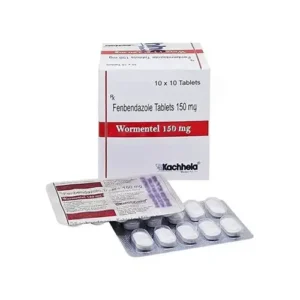
Wormentel 150mg (Fenbendazole)
$18.00 $70.00Price range: $18.00 through $70.00
$90.00 $245.00Price range: $90.00 through $245.00
In Stock
In Stock
Viropil (Dolutegravir/Lamivudine/Tenofovir)
| Pack Size | Price | Quantity | Add To Cart | |
|---|---|---|---|---|
| 30 Tablet/s | $90.00 | |||
| 60 Tablet/s | $170.00 | |||
| 90 Tablet/s | $245.00 | |||
| Want to order in bulk / B2B price? Send Inquiry | ||||
×
Sorry!! Out of Stock
Sorry! Viropil (Dolutegravir/Lamivudine/Tenofovir) is out of stock
Please click below to view other similar medications.
View All Dolutegravir/Lamivudine/Tenofovir Products
Offer You Can't Resist
Free Shipping
Enjoy Free Shipping on Orders above AUD304 (USD199)
Estimate Shipping :
10 September - 17 September
38
Secure Packaging
My order was packaged carefully and arrived in good condition. The whole process was handled professionally, and communication was excellent. Thank you for the great service
 Australia
August 18, 2026
Last Updated on June 27, 2026

Description
Viropil (Dolutegravir/Lamivudine/Tenofovir) – Comprehensive Product Information
Brand Name: Viropil
Generic Name: Dolutegravir + Lamivudine + Tenofovir Disoproxil Fumarate
Dosage Form: Film-coated tablets
Strength: Fixed-dose combination (varies, typically Dolutegravir 50 mg + Lamivudine 300 mg + Tenofovir DF 300 mg)
Therapeutic Class: Antiretroviral Therapy (ART) – Integrase Strand Transfer Inhibitor (INSTI) + Nucleoside Reverse Transcriptase Inhibitors (NRTIs)
Indication: Treatment of Human Immunodeficiency Virus Type 1 (HIV-1) infection
Overview
Viropil is a powerful fixed-dose combination antiretroviral medicine used for treating HIV-1 infections in adolescents and adults. It contains three important medications:
- Dolutegravir: An integrase-strand transfer inhibitor (INSTI), which prevents HIV DNA from integrating into the host genome
- Lamivudine: a nucleoside reverse transcriptase inhibitor (NRTI),
- Tenofovir Disoproxil Fumarate (TDF): A different NRTI that inhibits HIV reverse transcriptase.
Together, the two agents function in concert to lower viral burden and increase the number of CD4+ cells, and boost the function of the immune system. Viropil is extremely effective and well-tolerated and serves as the basis of a variety of antiretroviral first-line regimens across the globe.
Mechanism of Action
Dolutegravir:
Dolutegravir blocks the HIV Integrase enzyme that is essential to the integration of viral DNA into the host cell’s genome. In blocking this pathway, the drug prevents replication of viral DNA and the infection of cells.
Lamivudine and Tenofovir:
Both Lamivudine and Tenofovir both are Nucleoside reverse transcription inhibitors (NRTIs). They resemble natural nucleosides and incorporate into viral DNA when reverse transcription is taking place, leading to premature termination of the chain. It blocks the reverse transcriptase enzyme that is essential to making viral RNA.
This combination will ensure that HIV replication is stopped throughout the course of treatment, which reduces the chances of developing resistance while improving the success of treatment.
Indications
Viropil is indicated for:
- Treatment for the HIV-1 virus for adolescents and adults with a weight of at least 30kg.
- It is recommended for non-treated patients as well as those who switch treatment with suppression of viral load.
- It is used in conjunction with other antiretroviral medications in a comprehensive regimen of ART.
Dosage and Administration
Recommended Dose:
- A tablet every day in the morning, taken orally, either with or without food.
- Drink the entire bottle of water and swallow it whole. Do not chew or crush.
Special Populations:
- Renal impairment: Tenofovir can be cleared mostly by the kidneys; dosage modification or other therapy could be necessary in cases of moderate or extreme renal impairment.
- Pregnancy: Dolutegravir-based therapies are generally thought to be safe; however, consulting with a physician is vital.
- Pediatric use: Adjusting dosage is determined by the weight and age of the child; formulas for kids might be different.
Advantages of Viropil
- Once-daily single tablet regimen: Increases adherence through a simpler treatment.
- High barrier to resistance: Dolutegravir has a lower risk of becoming resistant compared to earlier integrase inhibitors.
- Well tolerated: A lower incidence of adverse reactions compared to earlier treatments for ART.
- Pan-genotypic: Effective across different HIV-1 subtypes.
- Improved immune function: Increases CD4+ T-cell counts.
- Reduces HIV viral load: Sometimes, to undetectable levels.
Contraindications
Viropil shouldn’t be used in the following situations:
- Are you allergic to Dolutegravir, Lamivudine, Tenofovir, or any other excipients.
- Are you taking any medications that react with Tenofovir or Dolutegravir (e.g., certain anticonvulsants, rifampicin, and dofetilide).
- Are suffering from severe renal impairment, with no dose adjustment or constant surveillance.
- You are breastfeeding or pregnant and do not require medical surveillance.
Warnings and Precautions
- Renal toxicity: Tenofovir could cause kidney impairment, so it is important to monitor renal function frequently.
- Lactic acidosis and severe hepatomegaly: A few, but severe negative side effects from NRTIs.
- Immune reconstitution inflammatory syndrome (IRIS): This may occur following the start of therapy.
- Hypersensitivity reactions: While it’s not common, you should be attentive to symptoms such as rash illness, fever.
- Bone mineral density reduction: Tenofovir may reduce bone density; monitor accordingly.
- Drug interactions: Look for possible interactions when you take anticonvulsants, such as rifampin, and other supplements, such as magnesium or calcium.
Side Effects
Common Side Effects:
Less Common/Serious Side Effects:
- Elevated liver enzymes
- Rash
- Renal impairment
- Mood changes or depression
- Muscle pain or weakness
Drug Interactions
- Antacids, calcium, magnesium supplements: Reduces the absorption of Dolutegravir. Take the pills at least 2 hours before or at least 6 hours following Viropil.
- Rifampicin and Rifabutin: Lower Dolutegravir levels. Dose adjustment or other therapy suggested.
- Metformin: Dolutegravir raises the levels of metformin; keep an eye on blood glucose levels.
- Other antiretrovirals: Some interactions may require dose modification.
- Always inform your healthcare provider of any medication or supplement.
Use During Pregnancy and Lactation
- Dolutegravir is usually considered to be safe for pregnant women; consult your physician.
- Lamivudine and Tenofovir are frequently used during pregnancy, with none of the teratogenic risks being significant.
- The practice of breastfeeding is typically not advised for HIV-positive mothers in a variety of areas due to the risk of HIV transmission. However, consulting with a healthcare professional is necessary.
Monitoring
- Baseline: HIV viral burdens as well as the CD4 count. And a kidney test for function.
- Periodic: A count of CD4 and viral load is conducted every 3 to 6 months to assess the effectiveness of treatment.
- Renal function: Check the clearance of creatinine and electrolytes frequently.
- Liver function: In particular, in patients with co-infections with hepatitis.
- Bone density: Be aware of the long-term effects of Tenofovir.
Patient Counseling
- It is recommended to take Viropil exactly as it is prescribed every day and ideally during the same time every day.
- Don’t skip doses. Keeping the same levels of medication is crucial.
- Do not miss doses or stop treatment abruptly to avoid resistance.
- Let your physician know of any possible side effects, including symptoms of alopecia, mood swings, or indications of kidney disease.
- Follow-ups are scheduled regularly, and lab surveillance is conducted.
- Utilize contraception to avoid pregnancy unless you are advised to do so by your physician.
- Be aware of all medications and supplements so that there are no interactions.
Storage
- Keep tablets in a cool, dry place in a dry, cool place away from moisture and direct light.
- Make sure that the area is safe for children.
- Don’t use the product after the expiration date.
Summary
Viropil (Dolutegravir/Lamivudine/Tenofovir) is a highly effective, well-tolerated, once-daily fixed-dose combination for treating HIV-1 infection. Through the combination of an integrase inhibitor and two nucleoside reverse transcriptionase inhibitors, it fights HIV replication across multiple sites by reducing the viral burden and increasing immune functioning.
Simple dosing, a robust resistance profile, and its broad effectiveness ensure that Viropil is the most important drug in modern HIV treatment, and contributes significantly to improving the outcomes of patients as well as the quality of life.
Make sure to take Viropil while under the direction of a licensed health professional. They will provide periodic monitoring for security and efficiency.
Additional Information
| Manufacturer | Emcure Pharmaceuticals Ltd. |
|---|---|
| Pharmaceutical | Tablet/s |
| Strength | 50mg/300mg/300mg |
Related products

Reviews
There are no reviews yet.