
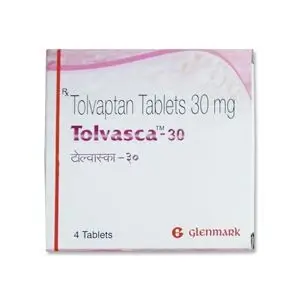
Tolvasca 30mg (Tolvaptan)
Previous product
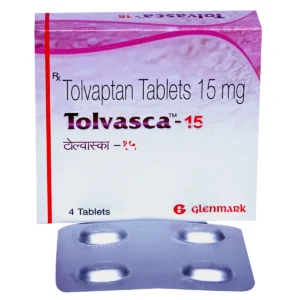
Tolvasca 15mg (Tolvaptan)
A$101.00 A$272.00Price range: A$101.00 through A$272.00
Next product

Fosbait 250mg (Lanthanum Carbonate)
A$40.00 A$115.00Price range: A$40.00 through A$115.00
A$170.00 A$480.00Price range: A$170.00 through A$480.00
In Stock
In Stock
Tolvasca 30mg (Tolvaptan)
| Pack Size | Price | Quantity | Add To Cart | |
|---|---|---|---|---|
| 28 Tablet/s | A$170.00 | |||
| 56 Tablet/s | A$330.00 | |||
| 84 Tablet/s | A$480.00 | |||
| Want to order in bulk / B2B price? Send Inquiry | ||||
×
Sorry!! Out of Stock
Sorry! Tolvasca 30mg (Tolvaptan) is out of stock
Please click below to view other similar medications.
View All Tolvaptan Products
Offer You Can't Resist
Free Shipping
Enjoy Free Shipping on Orders above AUD304 (USD199)
Estimate Delivery :
28 September - 05 October
32
Trusted Service
Good experience overall. The team was responsive, the ordering process was simple, and I received clear information about my shipment. Professional service and good customer support.
 Australia
August 16, 2026
Last Updated on June 15, 2026

Description
What is Tolvasca 30mg?
Tolvasca 30mg is a generic term for the drug Tolvaptan, which is mostly used for managing the retention of fluids and decreasing sodium levels in certain circumstances. Tolvaptan is a vasopressin-selective V2 receptor antagonist. It is a drug that promotes the expulsion of free fluids without affecting electrolytes, resulting in a reduction of sodium levels and also reducing the amount of fluid that is absorbed.
What conditions is Tolvasca 30mg used to treat?
Tolvasca (Tolvaptan) is prescribed for:
- Hyponatremia (low blood sodium levels) is a sign of conditions such as a disorder of inadequate diuretic hormone production (SIADH), congestive heart failure, or cirrhosis.
- Autosomal dominant polycystic kidney disease (ADPKD), that helps in slowing the progression of renal enlargement as well as decreases in the function of the kidney.
- Sometimes, it is utilized in other situations where the management of water balance is crucial under the supervision of a medical professional.
How does Tolvasca 30mg work?
Tolvasca blocks the effects of vasopressin (antidiuretic hormone) via V2 receptors within the kidney. Vasopressin is a hormone that normally stimulates water absorption; however, by abrogating this action, Tolvaptan causes the kidneys to expel the water that is free but retain sodium and electrolytes. The result is an increase in the output of urine (aquaresis) as well as a reduction of hyponatremia, as well as the decrease in excessive fluid.
How is Tolvasca 30mg administered?
- Tolvasca is administered orally as a tablet.
- The standard dosage for hyponatremia at the beginning is 15 mg once a day, but it can be increased to up to 60 mg daily, based on reaction and tolerance.
- In the case of polycystic kidney disease, doses start low and are gradual increase.
- The dosing adjustments are made by the physician based on the levels of sodium, kidney function, and tolerance of the patient.
What precautions should be taken before starting Tolvasca?
- Tolvasca is best taken at a hospital or under the close supervision of a medical professional to avoid fast sodium correction.
- The levels of blood sodium, kidney function, and liver function need to be monitored before and throughout the treatment.
- This medication should not be taken when sodium levels are extremely low (less than 120 mg/L) or when sodium levels are decreasing fast.
- People suffering from liver diseases and kidney dysfunction, as well as those with an electrolyte imbalance, require strict monitoring.
What are the common side effects of Tolvasca 30mg?
Common side effects include:
- Increased thirst and dry mouth.
- Frequent urination and increased urine volume.
- Fatigue or weakness.
- Lightheadedness or dizziness, particularly during standing (due to the loss of fluid).
- Nausea.
They are typically minor and are related to the nature of their action.
Are there any serious side effects?
The risk of serious adverse side effects is rare, but they can be a result of:
- Liver injury: Tolvaptan may cause damage to the liver, and regular tests for liver function must be conducted when you are receiving treatment.
- Rapid correction of sodium: This could lead to severe neurologic issues, like Osmotic Demyelination Syndrome (ODS), if sodium levels are increased too fast.
- Reactions to allergies include itching, rash, or swelling.
- Severe dehydration and low blood pressure.
Medical attention should be sought immediately for abdominal discomfort, jaundice (yellowing of eyes or skin), as well as confusion or extreme weakness.
Who should not take Tolvasca 30mg?
Tolvasca shouldn’t be utilized for:
- Individuals suffering from lower blood sodium levels may have factors other than water retention.
- Patients suffering from anuria (no urinary output).
- Patients suffering from liver failure or with serious liver impairment.
- People who are sensitive to Tolvaptan or one of its components.
- Patients who cannot maintain sufficient fluid intake.
- Infants and breastfeeding mothers should be monitored and prescribed by a doctor.
How should Tolvasca be taken?
- Use Tolvasca precisely as directed by your physician.
- It’s typically taken one time every day, either with or without food.
- Get plenty of fluids, according to the advice of your health physician, to avoid dehydration.
- Do not increase the dosage in case you missed a dose; you should take your next dose according to the normal time.
- The regular testing of blood is needed to keep track of levels of sodium in the kidneys, as well as the liver’s function.
Can Tolvasca cause dehydration?
Yes, Absolutely, Tolvasca promotes the loss of free water. This may lead to dehydration in the event that drinking water isn’t sufficient. Signs of dehydration can include nausea, dry mouth, dizziness, anxiety, and a rapid heartbeat. It is crucial to ensure regular hydration levels and also report signs of dehydration to your physician promptly.
How long does it take for Tolvasca to work?
The impact on urine output and levels of sodium is evident within some hours after the administration of the initial dose. But the complete healing effect and stabilization of sodium levels could take a few days. Close monitoring of sodium levels during this time is crucial to prevent issues.
Are there any dietary restrictions while taking Tolvasca?
There are no dietary restrictions; maintaining an appropriate intake of electrolytes and fluids is essential. Do not overdo your salt or drinking water without consulting your doctor. Be sure to limit your consumption of alcohol because of the potential risk to your liver.
Can Tolvasca be used with other medications?
Tolvasca is a drug that interacts with many different drugs, for example:
- Diuretics: Increases the chance of electrolyte imbalances as well as dehydration.
- Lithium: Might alter levels of lithium and raise the risk of toxicity.
- CYP3A inhibitors (such as ketoconazole or erythromycin): This can cause an increase in the levels of Tolvaptan in the blood, causing a negative effect.
- Other medications affecting liver enzymes.
Be sure to inform your doctor about any medication or supplement that you’re taking.
Is Tolvasca safe during pregnancy and breastfeeding?
Tolvasca is generally not recommended when breastfeeding and during pregnancy because its safety is not confirmed. Talk to your doctor when you’re pregnant and planning to get pregnant, or breastfeeding.
What monitoring is needed during Tolvasca treatment?
- Regular blood tests for monitoring the levels of sodium to make sure they don’t rise excessively.
- Tests for liver function are conducted every 2 – 4 weeks throughout the initial one-year period of therapy, due to the potential for liver injuries.
- Monitoring of electrolytes and kidney function.
- Monitor your clinical condition for any symptoms of dehydration, high blood pressure, or liver issues.
What should I do if I miss a dose of Tolvasca?
If you are unable to take a dose, get the dose as soon as you remember. If you are nearing the time to take your next dose, avoid the missed dose and proceed the same way. Never double your dose in order to cover the missed dose.
Can Tolvasca cause weight loss?
Since Tolvasca boosts urine output and lowers fluid retention, a loss of some weight could occur as a result of the reduction in excess water. It’s not identical to losing weight and is generally an indication that the drug is effective.
What should I avoid while taking Tolvasca?
- Do not engage in activities that require concentration, for example, driving when you are feeling dizzy or weak.
- Avoid excessive alcohol consumption.
- Make sure you are well-hydrated by maintaining an adequate liquid intake.
- Beware of self-medicating using other diuretics or medicines without consulting your physician.
How should Tolvasca be stored?
- Keep at room temperature and far from heat and moisture.
- Make sure the medicine is safe from the reach of kids.
- Use only until the date of expiration.
What should I do in case of overdose?
If you suspect that you have taken an overdose, seek medical assistance immediately. Signs of overdosing could be extreme thirst and confusion. It can also cause dizziness, dizziness or a rapid heart rate. Treatment is dependent on the signs.
Can Tolvasca be stopped suddenly?
Don’t stop taking Tolvasca without consulting your medical doctor. A sudden stop can cause dramatic fluctuations in the sodium and fluid balance, which could lead to an increase in the risk of complications.
Summary
Tolvasca 30mg (Tolvaptan) is a vital medicine for treating diseases characterized by high fluid levels and low levels of sodium, like SIADH and polycystic kidney diseases. It is a drug that stimulates the elimination of water that is free to balance electrolyte levels and to reduce the retention of fluid. Tolvasca needs close supervision by a physician because of the potential for risks such as the rapid correction of sodium levels and liver injuries. Patients must adhere to the prescribed dosages, keep periodic monitoring appointments, and keep hydrated.
Additional Information
| Manufacturer | Glenmark Pharmaceuticals Ltd |
|---|---|
| Pharmaceutical | Tablet/s |
| Strength | 30 mg |
| Pack Size | 28 Tablet/s, 56 Tablet/s, 84 Tablet/s |
Related products

Reviews
There are no reviews yet.