
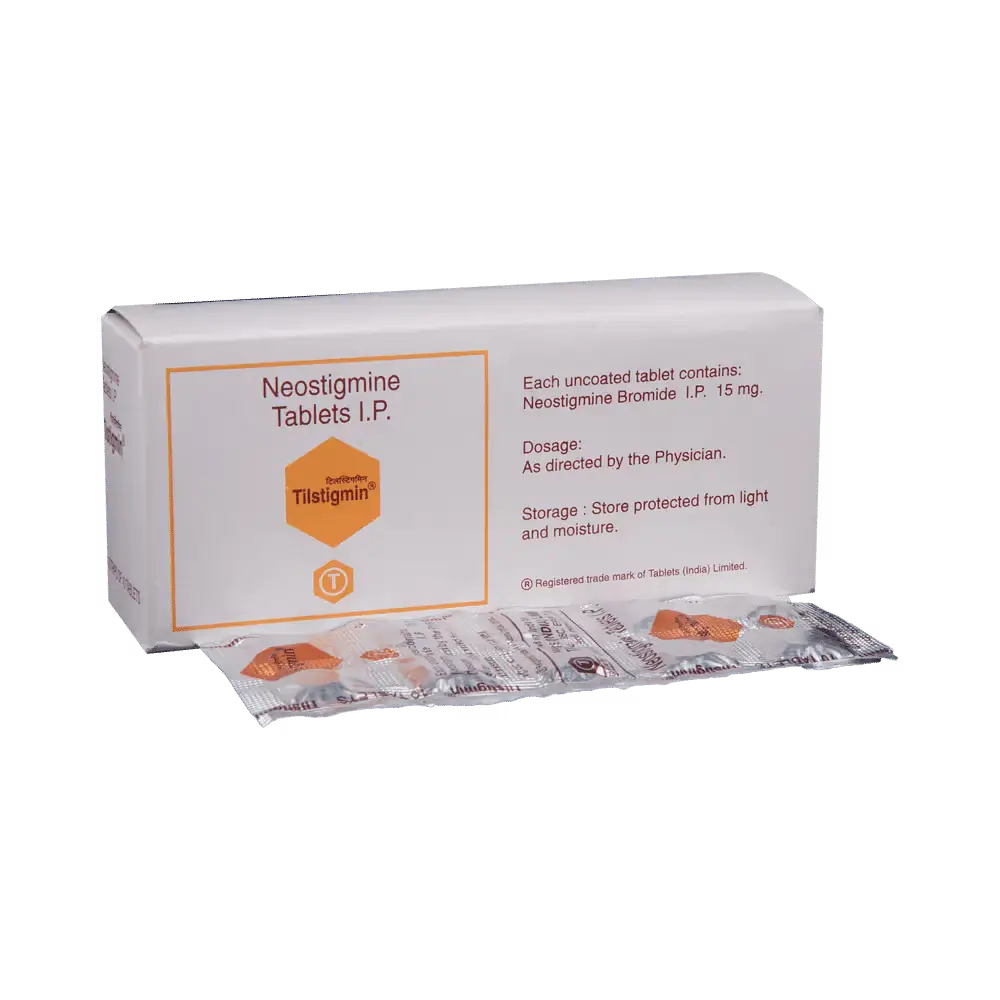
Tilstigmin 15mg (Neostigmine Bromide)
Previous product
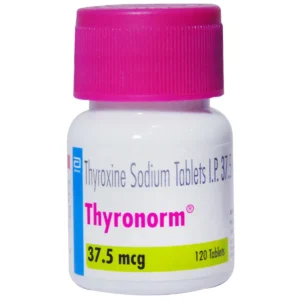
Thyronorm 37.5mcg (Thyroxine Sodium)
$15.00 $98.75Price range: $15.00 through $98.75
Next product
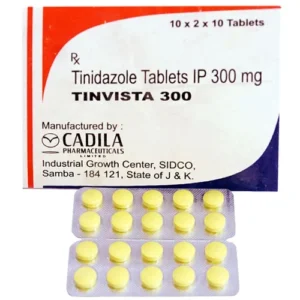
Tinvista 300mg (Tinidazole)
$22.00 $59.56Price range: $22.00 through $59.56
$13.00 $34.00Price range: $13.00 through $34.00
In Stock
In Stock
Tilstigmin 15mg (Neostigmine Bromide)
| Pack Size | Price | Quantity | Add To Cart | |
|---|---|---|---|---|
| 30 Tablet/s | $13.00 | |||
| 60 Tablet/s | $24.00 | |||
| 90 Tablet/s | $34.00 | |||
| Want to order in bulk / B2B price? Send Inquiry | ||||
×
Sorry!! Out of Stock
Sorry! Tilstigmin 15mg (Neostigmine Bromide) is out of stock
Please click below to view other similar medications.
View All Neostigmine Bromide Products
Offer You Can't Resist
Free Shipping
Enjoy Free Shipping on Orders above AUD304 (USD199)
Estimate Shipping :
23 June - 30 June
26
Last Updated on June 19, 2026

Description
What is Tilstigmin 15mg (Neostigmine Bromide)?
Tilstigmin is a brand name for neostigmine bromide, a medicine that is classified as a cholinesterase inhibitor. It functions by enhancing the amount of acetylcholine, the neurotransmitter responsible for facilitating communication between muscles and nerves. Tilstigmin is used primarily to treat conditions of muscle weakness, including myasthenia gravis, and also to reduce the effect of specific relaxation agents used to treat anesthesia.
How does Tilstigmin work?
Neostigmine bromide inhibits the enzyme acetylcholinesterase, which breaks down acetylcholine in the synaptic cleft (the space between nerve endings and muscles). Through blocking this enzyme, Neostigmine boosts the amount and duration of the acetylcholine-related activity on neuromuscular junctions. This improves the strength and contraction of muscles.
What conditions is Tilstigmin prescribed for?
Tilstigmin is typically prescribed for:
- Myasthenia gravis, which is a persistent autoimmune disorder that causes muscle weakness
- Reversal of muscle relaxants that are non-depolarizing following surgery, to help restore the normal function of the muscle
- Occasionally, they are used for the treatment of urinary retention or other intestinal problems by stimulating the smooth muscle
How is Tilstigmin administered?
Tilstigmin is available as oral tablets or intramuscular (IM) as well as intravenous (IV) injections based on the disease that is being treated, as well as the clinical context. For long-term conditions such as myasthenia graveis, oral administration is usual. For surgical procedures, IV and IM injections are the preferred method because of their speedy effect.
What is the typical dosage of Tilstigmin?
Dosage is determined by diagnosis, the age of the patient, weight, and the response to the treatment. Myasthenia Gravis patients receive a dosage for oral therapy that usually begins at a low level and gradually increases until it reaches the ideal level to limit adverse consequences. Common oral dosages are 15 mg up to 60 mg daily, divided into multiple dosages. To reverse the effects of relaxants following surgery, one dosage in the range of 0.5 or 2 mg is the norm. It is essential to have a dose that is individualized and monitored by a medical physician.
How quickly does Tilstigmin work?
If administered intravenously, the neostigmine effects are rapid, typically within 15 minutes. The oral administration is more time-consuming, and the effects usually begin in 30-60 minutes. The time between doses can last up to several hours. That’s why regular dosing could be essential for those suffering from chronic ailments.
What are the common side effects of Tilstigmin?
These side effects can be attributed to increased cholinergic function and could be a result of:
- Increased salivation and sweating
- Nausea and vomiting
- Diarrhea and abdominal cramps
- Muscle twitching or cramps
- Slow heart rate (bradycardia)
- Excessive tearing or runny nose
- Difficulty breathing (in rare cases)
If symptoms become serious or continue to persist, medical advice must be taken into consideration.
Are there serious side effects?
Yes, there are serious adverse side effects that may occur, particularly if you overdose or if a patient has some underlying issues. They include:
- Severe muscle weakness or paralysis (due to excessive acetylcholine)
- Severe bradycardia or heart block
- Allergic reactions such as rash, itching, or swelling
- Respiratory distress or difficulty breathing
- Seizures (rare)
Medical attention should be sought immediately when serious adverse reactions occur.
Who should avoid using Tilstigmin?
Tilstigmin is to be taken cautiously or not used in patients who suffer from:
- Neostigmine is the most commonly used and associated medications
- The obstruction is caused by mechanical force. It can affect the gastrointestinal tract or the urinary tract
- Severe asthma or respiratory obstruction
- Peritonitis (inflammation of the abdominal lining)
- Certain heart conduction problems without monitoring of the heart
Breastfeeding and pregnant women must utilize this medicine only when the medication is prescribed by a doctor.
Can Tilstigmin be used during pregnancy and breastfeeding?
The available data is not conclusive about the safety of Neostigmine when pregnant and during breastfeeding. The drug should be used only when the benefits are greater than the risks, and only under strict medical surveillance. The drug can be absorbed by breast milk in very small quantities, and breastfeeding mothers must talk to their physician.
How should Tilstigmin be stored?
Keep Tilstigmin tablets and injectables at room temperature, away from heat, moisture, and bright light. Be sure to keep them out of the access of children. Don’t use the medicine until the date of expiration.
What should I do if I miss a dose?
If you do not take the dose of oral Tilstigmin, you should take it whenever you can remember it, unless it’s just before the date for your next dose. Don’t double the dose to compensate for the missed dose. When you are taking injections, be sure to follow the directions of your physician.
Can I stop Tilstigmin suddenly?
Take care not to quit the use of Tilstigmin without consulting your physician. Stopping suddenly can cause more weakness of muscles or trigger a myasthenic crisis in those suffering from myasthenia. Changes in dosage or discontinuation of the drug should be closely monitored.
Are there any drug interactions with Tilstigmin?
Tilstigmin is a drug that interacts with a variety of medicines, such as:
- Other cholinergic drugs (may increase side effects)
- Muscle relaxants (non-depolarizing or depolarizing types) – can affect the effectiveness of their products
- Beta-blockers and calcium channel blockers – could increase the risk of bradycardia
- Certain anesthetics – Close surveillance is essential during the procedure
- Anticholinergic drugs such as atropine – They can also counteract the effect of neostigmine
Be sure to inform your doctor of all supplements and medications that you’re taking.
What tests or monitoring are needed while on Tilstigmin?
Patients suffering from myasthenia Gravis need periodic monitoring of their symptoms and the strength of muscles to alter dosage. Blood pressure and heart rate must be checked because of the potential for cardiac effects. When performing surgery, constant monitoring is crucial to reverse the effects of muscle relaxants.
Can Tilstigmin cause overdose?
Yes, absolutely, an overdose of Tilstigmin may trigger a cholinergic crisis that manifests as severe muscle weakness and muscle twitching. It can also cause sweating, a slow heart rate, difficult breathing, and an excessive amount of salivation. The cholinergic crisis is a medical emergency that requires immediate care.
What should I tell my doctor before starting Tilstigmin?
Inform your doctor about:
- Allergies, particularly those to anticholinergic or cholinergic drugs
- Current heart, lung, kidney, or gastrointestinal problems
- Any surgeries or anesthesia history
- Pregnancy or breastfeeding status
- Supplements and other medications you’re taking
This allows for a more tailored treatment and helps lower the risks.
Is Tilstigmin safe for children?
Tilstigmin can be prescribed to patients suffering from myasthenia or other ailments under medical monitoring. The dosage and the administration of Tilstigmin in children need to be adjusted with care by a doctor.
What lifestyle considerations are important while taking Tilstigmin?
Be cautious when performing activities that require concentration, for example, driving when the medication is causing muscular weakness or dizziness. Make sure you keep regular appointments with your doctor and don’t self-adjust dosages. Contact your doctor immediately if you notice any symptoms that are getting worse.
Summary
Tilstigmin 15mg (Neostigmine Bromide) is an inhibitor of cholinesterase that increases the strength of muscles by raising the levels of acetylcholine. It is used primarily for myasthenia gravis and for reversing the effects of muscle relaxants following surgical procedures. A proper dosage and medical supervision are crucial to prevent negative side effects as well as complications. Patients must be aware of potential Cholinergic-related side effects as well as interactions with other medications. Monitoring regularly ensures that the drug is both safe and effective.
Additional Information
| Active Ingredient: | Neostigmine Bromide |
|---|---|
| Indication: | Myasthenia gravis, Paralytic Ileus, Post-Operative Urinary Retention |
| Manufacturer: | Tablet (India) Ltd. |
| Packaging: | 10 Tablets in 1 Strip |
| Strength: | 15mg |
| Delivery Time: | 7 To 15 days |
Related products







Recently Viewed



Reviews
There are no reviews yet.