

Tacroz Forte Ointment 10g (Tacrolimus)
Previous product
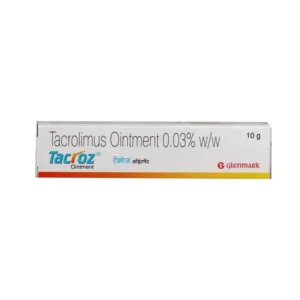
Tacroz Ointment (Tacrolimus)
$6.00 $30.00Price range: $6.00 through $30.00
Next product
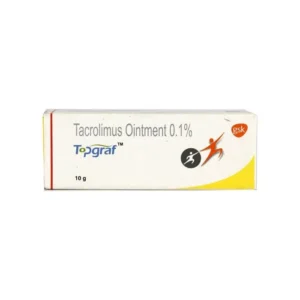
Topgraf 0.1% Ointment (Tacrolimus)
$39.00 $108.00Price range: $39.00 through $108.00
$34.00 $97.00Price range: $34.00 through $97.00
In Stock
In Stock
Tacroz Forte Ointment 10g (Tacrolimus)
| Pack Size | Price | Quantity | Add To Cart | |
|---|---|---|---|---|
| 3 Tube/s | $34.00 | |||
| 6 Tube/s | $66.00 | |||
| 9 Tube/s | $97.00 | |||
| Want to order in bulk / B2B price? Send Inquiry | ||||
×
Sorry!! Out of Stock
Sorry! Tacroz Forte Ointment 10g (Tacrolimus) is out of stock
Please click below to view other similar medications.
View All Tacrolimus Products


Offer You Can't Resist
Free Shipping
Enjoy Free Shipping on Orders above AUD304 (USD199)
Estimate Shipping :
16 June - 23 June
34
Last Updated on June 11, 2026

Description
Tacroz Forte Ointment 10g (Tacrolimus)
Brand Name: Tacroz Forte
Generic Name: Tacrolimus
Strength: 0.1%
Formulation: Ointment
Indications:
- Atopic Dermatitis (Eczema): Treatment for moderate to severe Atopic dermatitis (eczema) in adults and children aged 2 years or older.
- Immunosuppressant: Tacroz Forte is used as a topically applied immunosuppressive drug that reduces inflammation as well as the immune response, aiding in managing the chronic, inflammation-related manifestations of eczema.
Description
Tacroz Forte Ointment 10g includes tacrolimus, which is a skin-based immunosuppressant that works by reducing the activities of certain immune cells (T-cells) that are responsible for an inflammatory response to conditions such as Eczema. Tacrolimus is an inhibitor of calcineurin. This is to say it inhibits the activity of calcineurin. It is an enzyme required for the activation of T-cells as well as the release of proinflammatory Cytokines. This reduces the itching, inflammation, and redness common to Atopic Dermatitis.
In contrast to topical steroids, tacrolimus does not cause loss of skin, which makes it a popular choice to treat chronic skin inflammation. Tacrolimus is a great option in patients who haven’t had a favorable response to standard treatment options like corticosteroids or must avoid steroids because of side effects.
Pharmacology
Tacrolimus can be described as an anti-inflammatory medication that mainly affects our immune system’s T-cells. It does this by inhibiting the activity of calcineurin, which is a protein implicated in activating T-cells, aiding in the reduction of inflammatory cytokines. Additionally, it reduces the immune system’s responses on the skin.
- Mechanism of Action: Tacrolimus is a binder to FKBP-12, creating a compound that blocks the calcineurin and prevents the activation of T-cells as well as the release of mediators of inflammation, including interleukins and TNF-alpha.
- Absorption: Tacrolimus is only minimally absorbed in the bloodstream after being it is applied to the skin. The action of Tacrolimus is concentrated at the area of application, which helps reduce the risk of systemic adverse effects.
- Metabolism: Tacrolimus is converted into metabolites in the liver, principally by its CYP3A4 enzyme, which is crucial when evaluating potential drug interactions.
- Duration of Action: Tacrolimus is effective when the ointment is consistently applied. But, frequent use could be required to ensure the control of skin disorders.
Dosage and Administration
For Atopic Dermatitis (Eczema):
- Adults: Spread a thin layer of Tacroz Forte Ointment (0.1%) to the affected zones twice a day (morning and at night). Rub the ointment gently into the skin until completely absorbed.
- Children (Aged 2-15 years): Use a thin coating every day, depending on the severity of your disease and the instructions of your healthcare practitioner.
Use:
- Apply to Affected Areas: Apply only Tacroz to areas of the skin that have eczema. Beware of applying it to large portions of skin or to broken skin unless it is specifically recommended by a physician.
- Wash Hands After Use: To avoid the ointment getting transferred to other parts or areas that can be irritable (such as the eyes), always wash your hands following the application of the ointment.
- Avoid Eyes and Mucous Membranes: Tacroz shouldn’t be applied to the mouth, eyes, or mucous membranes. In the event of accidental contact, wash with clean water as soon as possible.
Duration of Use:
- Tacroz Forte is typically used as a temporary or short-term treatment of Eczema. When symptoms are under control, the doctor can decrease the frequency of application or even stop the use based on the results.
- In some instances, it is required, particularly for people who suffer from chronic eczema.
Missed Dose:
- If you do not remember a dose, you should apply the ointment immediately after you can remember. If you are nearing the due date for the next dose, avoid the dose you missed, then apply the ointment according to its schedule.
Contraindications
- Hypersensitivity: Don’t use Tacroz Forte if you’re sensitive to tacrolimus or any other components in the solution.
- Infection: Tacroz is not recommended to apply to areas of skin that are afflicted. If a skin area is affected, the appropriate treatment should be applied to control the infection before starting Tacroz.
- Severe Skin Conditions: Patients who suffer from severe skin problems or active infections must consult with a health doctor prior to using Tacroz.
Warnings and Precautions
- Risk of Skin Infections: Since tacrolimus reduces the local immune system, it could increase the likelihood of skin diseases in certain individuals. The first sign of infection needs to be evaluated immediately by a physician.
- Avoid Sun Exposure: Tacroz could make the skin more prone to sun exposure. The key is to avoid too much exposure to the sun, and sunblock or sun-protective clothing needs to be utilized while receiving the treatment.
- Skin Cancer Risk: Tacrolimus, used for long periods of time, is associated with the possibility of developing skin cancer as well as lymphoma. This risk is considered to be minimal, but must be considered especially when it comes to long-term usage.
- Not for Use on Face or Eyes: Tacroz is usually not to be used around the face, particularly in the area around the eyes, unless directed by a medical professional.
- Systemic Absorption: Though the amount of absorption by the body is very low, tacrolimus could still cause an effect on the other organs in vast areas or over a long time.
Side Effects
Common Side Effects:
- Burning or Itching: Certain patients might experience an occasional burning or itching pain at the point of application at the time they first begin treatment.
- Redness or Skin Irritation: A mild skin redness or irritation around the application site could be experienced. It is typically only temporary and disappears after continued application.
- Headache: While it is not common, certain patients might experience headaches when applying the topical.
- Skin Dryness: Dryness on the spot of application may occur; however, it can be cured through moisturizing treatments.
Serious Side Effects:
- Skin Infections: Because tacrolimus inhibits the immune system, there is a chance of skin diseases like fungal infections, such as bacterial or fungal skin infections, particularly when used for a long time.
- Lymphoma or Skin Cancer: The long-term use of tacrolimus is associated with an increased risk of some cancers, such as dermatologic cancer, as well as lymphoma. Though the risks are low, the patient should be monitored often.
- Allergic Reaction: A sign of an allergy that is a serious reaction, including extreme itching, rash or swelling of the lips, face or throat, nausea or breathing difficulties, requires immediate medical attention.
Drug Interactions
Tacrolimus is a drug that has low absorption when it is applied topically. Therefore, it’s less likely to result in interactions with other medicines. But, there are a couple of things to consider:
- Topical Steroids: Tacroz Forte is a drug that can be utilized together with topical steroid treatments under the supervision of a doctor’s instructions; using both in conjunction must be handled with caution.
- Immunosuppressive Drugs: Though tacrolimus may be used topically, do not use it with other systemic immunosuppressants unless recommended by your healthcare professional, since combination effects may increase the chance of contracting infections and additional complications.
Use in Special Populations
- Pregnancy: Tacroz Forte is classified as category C to be used during pregnancy. It is recommended to use it only during the pregnancy period if the positive effects outweigh any potential risks to the developing fetus. Check with your doctor before using this ointment while pregnant.
- Lactation: Tacrolimus is excreted in breast milk. Thus, it is recommended to use caution for mothers who are breastfeeding. Consult a doctor before taking Tacroz Forte while nursing.
- Pediatrics: Tacroz Forte is approved for usage in children two years or older in the treatment of Atopic allergic dermatitis. Children may need close observation for adverse reactions, especially with prolonged use.
FAQ
Q1: How long will it take for Tacroz to work?
There may be improvements in the symptoms of eczema, like less itching and swelling, as early as three to seven days after beginning treatment. The full-blown results could require about a 2 – 3 week or longer period, based on the severity of your condition.
Q2: Can I use Tacroz on my face?
Tacroz is usually not advised for use on the face, particularly in the area around your eyes, unless recommended by your physician. You must adhere to the instructions of your physician in applying the product to delicate areas.
Q3: Is Tacroz safe for long-term use?
Tacroz is considered to be safe to use for temporary as well as intermittent long-term usage. But long-term use can raise the risk of skin infection and the risk of other severe side effects; therefore, regular visits to your doctor are vital.
Q4: Can I use Tacroz with other eczema treatments?
Tacroz is often utilized along with other treatments for eczema, like moisturizing creams or topical corticosteroids. However, you should always talk to your physician to stay clear of any interactions with other medications or overstimulation of your immune system.
Additional Information
| Manufacturer | Glenmark Pharmaceuticals Ltd |
|---|---|
| Pharmaceutical | Ointment |
| Strength | 0.10% |
| Pack Size | 3 Tube/s, 6 Tube/s, 9 Tube/s |
Related products
Recently Viewed
Reviews
There are no reviews yet.