
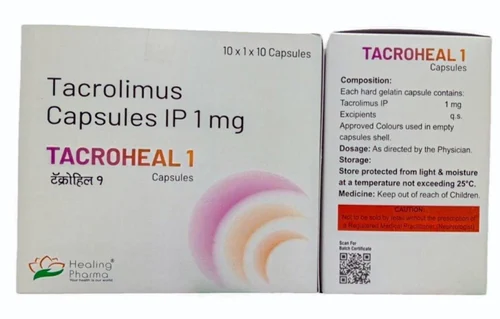
Tacroheal 1mg (Tacrolimus)
Previous product
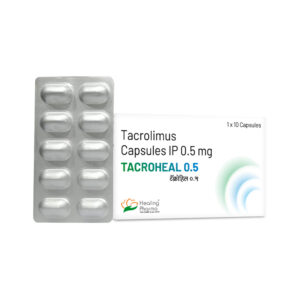
Tacroheal 0.5mg (Tacrolimus)
$35.00 $88.00Price range: $35.00 through $88.00
Next product
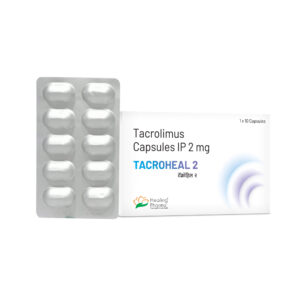
Tacroheal 2mg (Tacrolimus)
$60.00 $150.00Price range: $60.00 through $150.00
$46.00 $110.00Price range: $46.00 through $110.00
In Stock
In Stock
Tacroheal 1mg (Tacrolimus)
| Pack Size | Price | Quantity | Add To Cart | |
|---|---|---|---|---|
| 60 Capsule/s | $46.00 | |||
| 120 Capsule/s | $82.00 | |||
| 180 Capsule/s | $110.00 | |||
| Want to order in bulk / B2B price? Send Inquiry | ||||
×
Sorry!! Out of Stock
Sorry! Tacroheal 1mg (Tacrolimus) is out of stock
Please click below to view other similar medications.
View All Tacrolimus Products

Offer You Can't Resist
Free Shipping
Enjoy Free Shipping on Orders above AUD304 (USD199)
Estimate Shipping :
19 June - 26 June
48
Customer service
Customer service was responsive and medicines arrived in perfect condition
 Australia
May 19, 2026
Last Updated on June 11, 2026

Description
Product Overview:
Tacroheal 1mg can be described as an immunosuppressive medicine that contains Tacrolimus, whose primary purpose is to stop rejection of organs for patients who have had organ transplants, for example, liver, kidney, and heart transplants. Tacrolimus is a medication that blocks the function that the immune system performs by blocking its ability to attack the donor organ.
Tacrolimus is classed as a calcineurin inhibitor and helps reduce the immune system by preventing the production of cytokines. They constitute proteins that play a crucial role in activating the immune system.
Tacroheal comes as a tablet and is generally prescribed by mouth. Tacroheal is frequently utilized in conjunction with other agents that suppress the immune system in order to increase the effectiveness of preventing rejection of organs.
Key Ingredient:
- Tacrolimus – 1mg per tablet
Indications:
Tacroheal 1mg is mostly used to:
- Prevention of organ rejection: The kidney, liver, heart, and other organ transplant recipients.
- Autoimmune conditions: Sometimes, Tacrolimus may be prescribed to treat certain autoimmune disorders or disorders in which your immune system is attacking the body’s tissues (e.g., extreme eczema and lupus).
- Nephrotic syndrome: Tacrolimus is used as well in some cases of nephrotic syndrome after other therapies haven’t proved effective.
How It Works:
Tacrolimus functions by blocking calcineurin, which is an enzyme that triggers the T-cells within the immune system. T-cells play a role in initiating immune responses. This includes the rejection of organs that have been transplanted. In blocking this process, Tacrolimus prevents the immune system from attacking the organ that has been transplanted, which reduces the chance of rejection.
Dosage and Administration:
The dose of Tacroheal is determined depending on the kind of transplant, condition of the patient, and the blood level of Tacrolimus. The standard dosage for a patient who is starting treatment for patients who have received a transplant can include:
- Initial Dose: 0.1–0.2mg/kg/day, divided into two doses.
- Maintenance Dose: In general, from 1mg to 4mg every day according to the patient’s level of blood, as well as the kind of transplant.
How to Take Tacroheal:
- Oral Administration: Tacroheal tablets are best taken whole, along with drinking water. Avoid chewing or crushing the tablets.
- Timing: It is recommended to use the tablet daily at the same time throughout the day, to keep constant blood levels of the drug.
- Food: Tacroheal can be consumed with and without meals. It should, however, not be consumed with grapefruit or juice of grapefruit, since this can boost the levels of Tacrolimus in the bloodstream and cause toxicity.
Monitoring:
The regular blood tests are vital in order to keep track of Tacrolimus level, renal function, and any other side effects that could be a possibility.
Side Effects:
As with all medicines, Tacroheal can result in adverse effects. The most frequent and severe side effects are:
Common Side Effects:
- Headache
- Tremors
- High blood pressure (hypertension)
- Diarrhea
- Nausea and vomiting
- Loss of appetite
- Fatigue
- Insomnia
Serious Side Effects:
- Kidney problems: Tacrolimus is toxic to the kidneys, which can lead to kidney damage or inability to function.
- Infection risk: Due to the fact that Tacrolimus inhibits immunity, people are at greater risk of contracting diseases, which include bacteria, viruses, or fungal diseases.
- Hyperkalemia: Potassium levels are increased, which may cause risky heartbeats.
- Liver toxicity: Jaundice or elevated liver enzymes (yellowing of the eyes or skin).
- Lymphoma or other cancers: A long-term usage of Tacrolimus could increase the chance for certain kinds of cancers, such as lymphomas.
- Diabetes: Tacrolimus may boost blood sugar levels, which can lead to the development of diabetes in certain patients.
- Severe allergic reactions: The symptoms of a rash, itching, swelling, and trouble breathing must be treated immediately.
Precautions and Warnings:
- Kidney Function: Tacrolimus may cause damage to the kidneys. Kidney function needs to be observed during the treatment.
- Infections: Patients taking Tacrolimus have a higher chance of contracting infections because of the immunosuppressive effect. Beware of contact with those with contagious diseases.
- Liver Dysfunction: It is important to check the liver’s enzymes frequently since Tacrolimus could affect liver function.
- Blood Pressure: Tacrolimus could raise blood pressure. Therefore, it is important to check your blood pressure on a regular basis.
- Pregnancy and Breastfeeding: Tacrolimus cannot be suggested in pregnancy, particularly during the first trimester, until the benefits exceed the risks. Also, it is excreted from breast milk, so it should be avoided when breastfeeding women.
- Grapefruit: Do not drink grapefruit juice or grapefruit since they could boost the absorption rate of Tacrolimus and can cause toxicity.
Drug Interactions:
Tacrolimus is a drug that interacts with a variety of drugs, increasing or reducing its effectiveness and the chance of side effects:
- CYP3A4 inhibitors: The use of medications such as antifungals containing azole (e.g., ketoconazole), macrolide antibiotics (e.g., erythromycin), as well as HIV enzyme inhibitors could boost Tacrolimus levels in the blood, which can cause toxic effects.
- CYP3A4 inducers: Certain medications like rifampin and the phenytoin compound, and St. John’s Wort can lower Tacrolimus levels, which could lead to rejection of the transplant.
- Antihypertensive drugs: Tacrolimus can increase the effect of medications that lower blood pressure, which can cause hypertension (low blood pressure).
- Diuretics: Urination-inducing drugs can cause Electrolyte deficiencies (e.g., hyperkalemia or hypomagnesemia).
Be sure to inform your doctor of any medication, supplements, and herbs you’re taking.
Storage Instructions:
- Store Tacroheal at room temperature (between 15°C to 30°C).
- Avoid contact with extreme heat, humidity, and light.
- Make sure that the area is safe for young children.
- Don’t use the medicine when it is past the date of expiry.
Frequently Asked Questions (FAQs)
What is Tacroheal 1mg used for?
Tacroheal is a medication used to help prevent rejection of organs when patients undergo transplants, specifically liver, kidney, and heart transplants. Tacroheal suppresses the immune system, preventing your body from attacking the organ that has been transplanted.
How does Tacroheal work?
Tacroheal acts by reducing the function of Calcineurin, which is an enzyme that plays a role in the activation of immune cells. It reduces the immune system and reduces the chance of rejection from organs.
What are the common side effects of Tacroheal?
Common side effects are nausea, headache, tremors, as well as insomnia, diarrhea, and elevated blood pressure. The most serious side effects could be damage to the kidneys, infections, and liver toxicities.
How should I take Tacroheal 1mg?
You should take Tacroheal by mouth according to the instructions of your physician. Take the tablet as a whole and drink water. It is recommended to do so every throughout the day. Do not consume grapefruit when taking Tacroheal.
Do I need to monitor my health while on Tacroheal?
Yes, Regular tests of blood are necessary for monitoring Tacrolimus levels as well as liver enzymes, kidney function, and electrolyte balance. A regular monitoring program helps in adjusting the dose and limiting the negative consequences.
Can I stop taking Tacroheal suddenly?
No, you should be careful not to stop the medication Tacroheal 1mg at once. This could result in rejection of the transplant. Make sure to consult with your doctor before changing your treatment regimen.
Can Tacroheal cause cancer?
In the long run, use of immunosuppressive drugs such as Tacroheal may increase the likelihood of certain types of cancer, like lymphoma. Monitoring is required regularly for detecting early indications of cancer.
Is Tacroheal safe during pregnancy?
Tacrolimus is not advised for pregnant women, specifically in the first trimester, until the advantages exceed the risks. Speak with your doctor if you are expecting or plan to be expecting.
Can I take Tacroheal with other medications?
Tacrolimus may interact with a variety of medicines. Make sure you inform your physician about all medications, which include over-the-counter drugs and other supplements you’re taking.
What should I do if I miss a dose?
If you don’t take a dose, get it back whenever you can remember and not wait until the date for your next dose. Don’t double your dose to cover the missed dose.
Additional Information
| Active Ingredient: | Tacrolimus |
|---|---|
| Indication: | Prevention of Organ Rejection in Transplant Patients |
| Manufacturer: | Healing Pharma, India |
| Packaging: | 10 Capsules in 1 Strip |
| Strength: | 1mg |
| Delivery Time: | 7 To 15 days |
Related products



Reviews
There are no reviews yet.