

Synthivan 300/100mg (Atazanavir/Ritonavir)
Previous product

Efavir 200mg (Efavirenz)
A$68.60 A$189.00Price range: A$68.60 through A$189.00
Next product
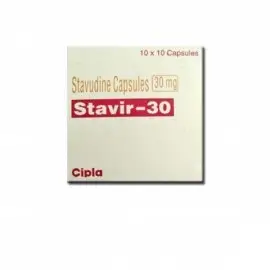
Stavir 30mg (Stavudine)
A$29.40 A$66.50Price range: A$29.40 through A$66.50
A$147.00 A$332.50Price range: A$147.00 through A$332.50
In Stock
In Stock
Synthivan 300/100mg (Atazanavir/Ritonavir)
| Pack Size | Price | Quantity | Add To Cart | |
|---|---|---|---|---|
| 30 Tablet/s | A$147.00 | |||
| 60 Tablet/s | A$227.50 | |||
| 90 Tablet/s | A$332.50 | |||
| Want to order in bulk / B2B price? Send Inquiry | ||||
×
Sorry!! Out of Stock
Sorry! Synthivan 300/100mg (Atazanavir/Ritonavir) is out of stock
Please click below to view other similar medications.
View All Atazanavir/Ritonavir Products
Offer You Can't Resist
Free Shipping
Enjoy Free Shipping on Orders above AUD304 (USD199)
Estimate Shipping :
12 July - 19 July
28
Last Updated on June 10, 2026

Description
Synthivan 300/100mg (Atazanavir/Ritonavir)
Brand Name: Synthivan
Generic Names: Atazanavir (300 mg) / Ritonavir (100 mg)
Strength: 300 mg (Atazanavir) / 100 mg (Ritonavir)
Form: Oral Tablet
Manufacturer: Cipla Ltd.
Overview
Synthivan 300/100mg is a fixed-dose combination medicine containing Atazanavir as well as Ritonavir. It is used for treating HIV/AIDS as a component of antiretroviral treatment (ART). Atazanavir is a protease inhibitor (PI), while Ritonavir is also a protease inhibitor; however, it is utilized to act as a drug that enhances the pharmacokinetics (boosting the efficacy of Atazanavir).
The combination can help reduce the level of HIV (the human immunodeficiency virus) in the blood, which prevents the virus from growing and spreading. It also boosts the immune system by raising the number of CD4 cells.
Indications
- HIV-1 Infection: Synthivan is a drug used in the treatment of HIV infection when combined with antiretroviral medications. It’s not the treatment for HIV; however, it helps to fight the infection by lowering the amount of virus.
- HIV Combination Therapy: Synthivan is a component of a regimen for combination therapy for people with HIV to decrease the likelihood of progression from HIV to AIDS.
Mechanism of Action
- Atazanavir: Atazanavir functions in blocking HIV protease, the enzyme HIV requires to reproduce. By blocking protease, Atazanavir prevents the formation of infectious HIV particles, thereby reducing the viral burden in the body.
- Ritonavir: While Ritonavir is an inhibitor of protease, its function in Synthivan is to enhance the effect of Atazanavir. It blocks the enzyme CYP3A4 and is the one responsible for metabolizing Atazanavir. Through slowing down the breakdown of Atazanavir, Ritonavir helps maintain greater levels of the drug in the body, increasing its efficacy.
Together, the two medications are used to combat the virus through inhibiting its capacity to reproduce and increasing the amount of drug present in the bloodstream.
Dosage and Administration
- Recommended Dosage:
- The recommended dosage for adult patients includes one tablet (300 mg Atazanavir 100 mg Ritonavir) once daily in conjunction with a meal.
- It is recommended to take the medication along with meals for better absorption.
- Administration Instructions:
- Take the tablet as a whole and swallow it with the help of a glass of water. Avoid crushing, chewing, or damaging the tablet.
- If you don’t remember the dose, you should take it as quickly as you remember, or until it’s near time for your next dose. Don’t take two doses simultaneously.
- Special Considerations:
- Make sure you take Synthivan throughout the day to ensure maximum efficacy.
- It’s crucial to adhere to your physician’s prescriptions closely. Do not cease treatment even when you’re feeling good, since HIV can still be transmitted even when there are no symptoms.
- Make use of this drug as a part of an overall HIV treatment plan that may also include additional antiretroviral medications.
Contraindications
- Hypersensitivity: If you’re allergic to Atazanavir, Ritonavir, or any of the active components in Synthivan, you should not use Synthivan.
- Severe Liver Disease: The use of Synthivan is not recommended for patients suffering from significant impairment of their liver or liver disease that is active (including hepatitis).
- Severe Heart Conditions: Patients suffering from serious irregular heart rhythms or who are taking medication that causes serious heart rhythm issues must stay clear of Synthivan.
- Drug Interactions: Avoid using Synthivan when used in conjunction with other medications, such as:
- Alfuzosin, Amiodarone, Dronedarone (for heart rhythm problems)
- Anticonvulsants (e.g., carbamazepine, phenobarbital)
- Ergot derivatives (e.g., ergotamine)
- Certain statins (e.g., lovastatin, simvastatin)
Warnings and Precautions
- Liver Toxicity: Side effects of liver disease, such as hepatitis or a failing liver, are possible. Be sure to check the liver function test often during treatment, and especially those with already-existing liver diseases (such as hepatitis B and C).
- Heart Conditions: Ritonavir could result in irregular heartbeats (QT prolongation as well as PR interval lengthening). It is crucial to keep track of the health of your heart while taking treatment, specifically when you have a history of heart disease.
- Pancreatitis: A few cases related to pancreatitis (inflammation of the pancreas) are reported using anti-protease inhibitors such as Atazanavir or Ritonavir.
- Kidney Dysfunction: Take care when using this method in patients who have existing kidney diseases since kidney function is to be assessed, particularly during treatment that lasts for a long time.
- Bone Health: Protease inhibitors that are used for a long time could alter the density of bone, so regular evaluation for bone health is advised.
- HIV Drug Resistance: The growth of HIV resistance to drugs can be a problem when the drug isn’t administered as prescribed. It’s crucial to adhere to the regimen of treatment strictly and never miss dosages.
Adverse Effects
Even though Synthivan is usually well tolerated, some adverse reactions can happen. They could include:
Common Side Effects:
- Nausea or vomiting
- Diarrhea
- Headache
- Fatigue
- Rash
- Abdominal pain
- Changes in taste
Serious Side Effects (Seek Medical Attention):
- Severe liver issues: Jaundice, dark urine, or severe abdominal pain (may indicate liver problems)
- Heart problems: Palpitations, irregular heartbeat, or chest pain
- Pancreatitis: Severe abdominal pain, nausea, or vomiting
- Kidney issues: Changes in urine output, blood in urine, or kidney pain
- Severe allergic reactions: Rash, itching, swelling, or difficulty breathing
- Hyperlipidemia (increased cholesterol and triglycerides)
- Bone problems: Increased risk of fractures or bone pain
Drug Interactions
Synthivan is able to interact with a number of other medications. This could reduce the effectiveness or increase the likelihood of adverse side effects. Important interactions include:
- CYP3A4 Inhibitors: The use of any drug that interferes with an enzyme called CYP3A4 could increase levels of Atazanavir and Ritonavir. Some examples are ketoconazole, itraconazole, and some antidepressants, such as fluoxetine.
- CYP3A4 Inducers: In contrast, medications that trigger CYP3A4 (e.g., rifampin, carbamazepine, phenobarbital) could reduce the efficacy of Synthivan because they increase the rate of metabolism.
- Antiarrhythmic drugs: Amiodarone, dronedarone, and quinidine must be avoided as they could cause heart rhythm disorders.
- Oral contraceptives: Birth control may not be as efficient when taking Synthivan. Alternative contraception methods (e.g., condoms) are advised.
- St. John’s Wort: The herb-based supplement may lower levels of Atazanavir in addition to Ritonavir, and is recommended to be avoided.
- Statins: Certain statins, like simvastatin or lovastatin, shouldn’t be combined with Synthivan because they can raise the chance of injuries.
Storage
- Storage Instructions:
Store Synthivan at room temperature (between 20°C and 25°C or 68°F to 77°F).
Make sure to keep the tablet in the original container and keep it away from humidity.
Be sure to keep your medication out of the reach of young children. Do not give your medication to anyone else.
Packaging
- Tablet Count: Synthivan is typically available in packages that contain thirty tablets (1-month supply). However, it might be offered in different amounts based on the prescription.
- Packaging Type: The tablets are stored inside blister packages in order to keep them secure from the elements of light and water.
Frequently Asked Questions (FAQs)
What is Synthivan used for?
Synthivan can be used to treat HIV-1 infections in conjunction with the combination therapy of antiretroviral treatment (ART). It assists in reducing the amount of virus and controls the development of HIV disease.
How do I take Synthivan?
Use 1 tablet (300 mg Atazanavir / 100 mg Ritonavir) once a day, in conjunction with food. Avoid chewing or crushing the tablet. It is important to consume your tablet at the same time every day.
What should I do if I miss a dose?
If you are unable to take a dose, get the dose as soon as you can remember it, except if it’s near time for the next dose. Don’t take more than two doses in one go.
Related products



Reviews
There are no reviews yet.