

Symbicort Turbuhaler 320mcg (Formoterol/Budesonide)
Previous product

Sylis Oral Powder (Tadalafil)
A$20.00 A$125.00Price range: A$20.00 through A$125.00
Next product
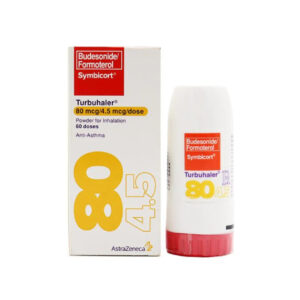
Symbicort Turbuhaler 80mcg (Formoterol/Budesonide)
A$25.00 A$130.00Price range: A$25.00 through A$130.00
A$40.00 A$205.00Price range: A$40.00 through A$205.00
In Stock
In Stock
Symbicort Turbuhaler 320mcg (Formoterol/Budesonide)
| Pack Size | Price | Quantity | Add To Cart | |
|---|---|---|---|---|
| 1 Turbuhaler | A$40.00 | |||
| 3 Turbuhaler/s | A$110.00 | |||
| 6 Turbuhaler/s | A$205.00 | |||
| Want to order in bulk / B2B price? Send Inquiry | ||||
×
Sorry!! Out of Stock
Sorry! Symbicort Turbuhaler 320mcg (Formoterol/Budesonide) is out of stock
Please click below to view other similar medications.
View All Formoterol/Budesonide Products
Offer You Can't Resist
Free Shipping
Enjoy Free Shipping on Orders above AUD304 (USD199)
Estimate Delivery :
13 October - 20 October
25
Excellent service overall
Smooth checkout, quick dispatch, and secure delivery. Excellent service overall
 Australia
October 1, 2026
Last Updated on June 10, 2026

Description
What is Symbicort Turbuhaler 320mcg?
Symbicort Turbuhaler 320mcg is a prescription inhalation medicine used for the management of chronic respiratory conditions such as asthma and chronic obstructive pulmonary disease (COPD). It contains a combination of two active ingredients: Budesonide and Formoterol Fumarate Dihydrate.
- Budesonide is a corticosteroid that reduces inflammation in the airways.
- Formoterol is a long-acting bronchodilator that helps relax airway muscles and improves breathing.
This dual-action therapy helps control symptoms like wheezing, shortness of breath, chest tightness, and coughing. Symbicort is not intended for immediate relief of sudden asthma attacks but is used as a maintenance treatment for long-term respiratory control.
Product Overview
| Product Name | Symbicort Turbuhaler 320mcg |
|---|---|
| Generic Name | Formoterol + Budesonide |
| Strength | 320mcg |
| Drug Class | ICS + LABA Combination Inhaler |
| Form | Dry Powder Inhaler (Turbuhaler) |
| Common Uses | Asthma, COPD management |
| Prescription Required | Yes |
How Does Symbicort 320mcg Work?
Symbicort Turbuhaler works through a combination of two complementary mechanisms:
1. Budesonide (Anti-inflammatory Action)
Budesonide is a corticosteroid that reduces inflammation in the airways. In asthma and COPD, the airways become swollen and sensitive, making breathing difficult. Budesonide helps reduce this inflammation, preventing flare-ups and improving long-term lung function.
2. Formoterol (Bronchodilator Action)
Formoterol is a long-acting beta-agonist (LABA) that relaxes the muscles around the airways. This helps widen the air passages, making it easier to breathe. It works quickly and continues to provide relief for up to 12 hours.
Together, these two medicines help control chronic respiratory symptoms and reduce the risk of asthma or COPD exacerbations.
Uses of Symbicort Turbuhaler 320mcg
Symbicort is widely prescribed for respiratory conditions requiring long-term control.
1. Asthma Management
It is used as a maintenance treatment for asthma to prevent symptoms like wheezing and breathlessness.
2. Chronic Obstructive Pulmonary Disease (COPD)
Symbicort helps improve airflow and reduce flare-ups in COPD patients.
3. Prevention of Asthma Attacks
Regular use helps reduce the frequency and severity of asthma attacks.
4. Exercise-Induced Breathing Issues
It may help prevent breathing difficulties triggered by physical activity in asthma patients.
5. Long-Term Lung Function Improvement
It supports better lung function over time when used consistently.
Benefits of Symbicort Turbuhaler 320mcg
When used correctly, Symbicort offers several respiratory benefits:
- Improves breathing capacity
- Reduces airway inflammation
- Helps prevent asthma and COPD flare-ups
- Provides long-term symptom control
- Reduces nighttime breathing difficulties
- Improves overall lung function
- Convenient inhaler-based delivery system
Regular use as prescribed helps maintain stable respiratory health and reduces emergency episodes.
How to Use Symbicort Turbuhaler 320mcg
Symbicort should always be used exactly as directed by a healthcare professional.
General Instructions:
- Hold the Turbuhaler upright.
- Remove the cap and load the dose as instructed.
- Exhale fully away from the device.
- Place mouthpiece between lips and inhale deeply and forcefully.
- Hold breath for a few seconds after inhalation.
- Rinse mouth after use to reduce risk of oral infections.
Do not shake the device. It is a dry powder inhaler and works by inhalation technique.
Recommended Dosage
The dosage of Symbicort 320mcg depends on the severity of asthma or COPD and individual patient needs.
| Condition | Possible Use |
|---|---|
| Mild to moderate asthma | Maintenance therapy |
| Severe asthma | Regular long-term control |
| COPD | Symptom management |
| Preventive therapy | Reducing exacerbations |
Only a doctor should determine the exact dosage and frequency of use.
Possible Side Effects of Symbicort 320mcg
Like all medicines, Symbicort may cause side effects in some individuals.
Common Side Effects:
- Throat irritation
- Headache
- Cough after inhalation
- Hoarseness
- Oral fungal infection (thrush)
- Tremors
- Mild palpitations
Serious Side Effects:
Seek medical attention if you experience:
- Severe breathing difficulty
- Chest pain
- Irregular heartbeat
- Allergic reaction (rash, swelling, breathing issues)
- Severe asthma worsening
Proper inhaler technique and mouth rinsing can reduce some side effects.
Precautions and Warnings
Before using Symbicort, inform your doctor about your medical history.
Important Precautions:
- Not suitable for sudden asthma attacks
- Inform doctor if you have heart disease or high blood pressure
- Use caution in patients with diabetes or thyroid disorders
- Avoid overuse of inhaler
- Follow exact prescribed dosage
Regular monitoring is important for long-term therapy.
Drug Interactions
Symbicort may interact with certain medications.
Tell your doctor if you are using:
- Other bronchodilators
- Beta-blockers
- Steroid medications
- Diuretics
- Heart rhythm medications
Drug interactions may affect breathing control or increase side effects.
Storage Instructions
To maintain effectiveness:
- Store at room temperature
- Keep away from moisture
- Do not refrigerate or freeze
- Keep inhaler tightly closed
- Store out of reach of children
- Do not use past expiry date
Who Should Avoid Symbicort Turbuhaler 320mcg?
Symbicort may not be suitable for everyone.
Avoid or use with caution if you have:
- Allergy to budesonide or formoterol
- Severe heart disease
- Uncontrolled high blood pressure
- Severe infections
- Certain lung conditions requiring emergency treatment
Doctor consultation is essential before starting treatment.
Frequently Asked Questions
1. What is Symbicort Turbuhaler 320mcg used for?
It is used for asthma and COPD maintenance treatment to improve breathing and prevent attacks.
2. Can Symbicort be used for sudden asthma attacks?
No, it is not a rescue inhaler. It is used for long-term control.
3. How does Symbicort work?
It reduces airway inflammation and relaxes airway muscles to improve airflow.
4. How often should I use Symbicort?
Use it exactly as prescribed by your doctor, usually once or twice daily.
5. Why should I rinse my mouth after use?
Rinsing helps prevent oral fungal infections like thrush.
6. Can I stop using Symbicort suddenly?
No, stopping suddenly may worsen symptoms. Always consult your doctor.
7. What are the common side effects?
Throat irritation, cough, tremors, and mild heart palpitations may occur.
8. Is Symbicort safe for long-term use?
Yes, when used under medical supervision for chronic respiratory conditions.
9. What should I do if I miss a dose?
Take it when remembered unless it is close to the next dose.
10. Can children use Symbicort?
Only if prescribed by a healthcare professional.
Conclusion
Symbicort Turbuhaler 320mcg (Formoterol/Budesonide) is an effective combination inhaler used for long-term management of asthma and COPD. By reducing inflammation and relaxing airway muscles, it helps improve breathing, prevent flare-ups, and enhance overall lung function. For safe and effective results, it should always be used under medical supervision with correct inhaler technique and prescribed dosage.
Additional Information
| Active Ingredient: | Budesonide/Formoterol |
|---|---|
| Indication: | Asthma, Chronic Obstructive Pulmonary Disease (COPD) |
| Manufacturer: | AstraZeneca Pharma India Ltd. |
| Packaging: | 60 MDI in a Turbuhaler |
| Strength: | 320mcg |
| Delivery Time: | 7 To 15 days |
Related products


Reviews
There are no reviews yet.