Introduction
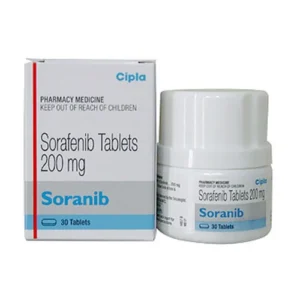
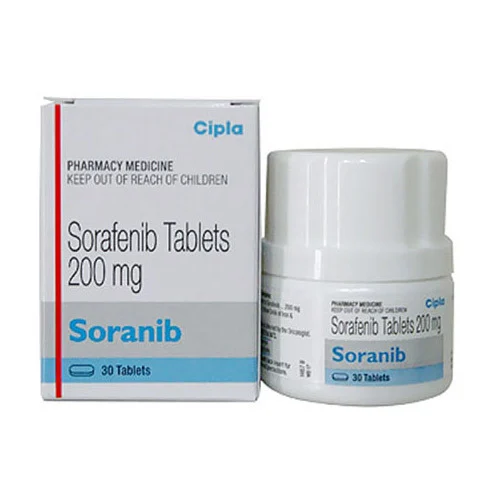
Soranib 200mg contains Sorafenib 200mg, an oral targeted cancer therapy belonging to the class of multikinase inhibitors. It is a prescription medicine used for the treatment of certain advanced cancers, including liver cancer (hepatocellular carcinoma), kidney cancer (renal cell carcinoma), and thyroid cancer.
Unlike traditional chemotherapy, Sorafenib works by targeting specific proteins and signaling pathways involved in cancer cell growth and the formation of new blood vessels that supply tumors. By blocking these pathways, Soranib may help slow cancer progression.
Soranib 200mg should only be used under the supervision of an experienced oncologist because it requires careful monitoring of treatment response and possible side effects.
Product Overview
| Feature | Details |
|---|---|
| Brand Name | Soranib 200mg |
| — | — |
| Active Ingredient | Sorafenib |
| Strength | 200mg |
| Drug Class | Multikinase Inhibitor |
| Dosage Form | Oral Tablet |
| Primary Use | Cancer Treatment |
| Administration | Oral |
| Prescription Required | Yes |
How Soranib 200mg Works
Soranib contains Sorafenib, which works by blocking multiple enzymes called kinases that play an important role in cancer development.
Sorafenib helps by:
- Blocking signals that encourage cancer cell growth
- Reducing tumor cell multiplication
- Inhibiting the formation of new blood vessels that feed tumors
- Slowing the progression of certain cancers
This targeted approach helps interfere with cancer growth pathways while working differently from conventional chemotherapy medicines.
Uses of Soranib 200mg
Soranib 200mg is prescribed for the treatment of:
Advanced Liver Cancer
Soranib may be used for hepatocellular carcinoma (HCC), the most common type of primary liver cancer.
It may help:
- Slow tumor growth
- Delay disease progression
- Improve disease management
Advanced Kidney Cancer
Soranib is used in certain cases of advanced renal cell carcinoma (RCC), especially when cancer has spread or requires targeted therapy.
Advanced Thyroid Cancer
It may also be prescribed for specific types of thyroid cancer that are resistant to radioactive iodine treatment.
Benefits of Soranib 200mg
When prescribed appropriately, Soranib may help:
- Slow cancer progression
- Reduce tumor growth activity
- Block cancer-related signaling pathways
- Delay disease worsening
- Support long-term cancer management
The effectiveness depends on the cancer type, stage, overall health, and individual response to treatment.
How to Take Soranib 200mg
Take Soranib exactly as prescribed by your oncologist.
General instructions:
- Swallow the tablet whole with water.
- Usually taken on an empty stomach.
- Take it at the same time each day.
- Do not crush or break the tablet unless advised.
- Continue treatment as directed by your doctor.
The dosage and duration of treatment may vary based on cancer type, response, and side effects.
Possible Side Effects of Soranib 200mg
Like all cancer medicines, Soranib may cause side effects.
Common Side Effects
Possible side effects include:
- Fatigue
- Nausea
- Vomiting
- Loss of appetite
- Diarrhea
- Weight loss
- Hair thinning or hair loss
- Skin rash
- Dry skin
- Mouth sores
Hand-Foot Skin Reaction
Some patients may develop:
- Redness of palms and soles
- Pain or tenderness
- Swelling
- Skin peeling
Inform your doctor if these symptoms become severe.
Serious Side Effects
Seek medical attention if you experience:
- Severe bleeding
- Chest pain
- Severe abdominal pain
- High blood pressure symptoms
- Severe skin reactions
- Heart problems
- Severe allergic reactions
Warnings and Precautions
Before taking Soranib 200mg, inform your doctor if you have:
- Heart disease
- High blood pressure
- Bleeding problems
- Liver disease
- Kidney problems
- Recent surgery
- Skin conditions
Your doctor may perform regular monitoring, including:
- Blood pressure checks
- Blood tests
- Liver function tests
- Treatment response evaluations
Drug Interactions
Soranib may interact with:
- Certain cancer medicines
- Blood thinners
- Some antibiotics
- Antifungal medicines
- Seizure medicines
- Herbal supplements
Always inform your oncologist about all medicines, vitamins, and supplements you are taking.
Lifestyle Tips During Soranib Treatment
Patients undergoing cancer treatment may benefit from:
- Following a nutritious diet
- Drinking adequate fluids
- Protecting skin from excessive sunlight
- Maintaining regular medical appointments
- Reporting unusual symptoms early
- Getting adequate rest
Always follow your cancer specialist’s recommendations.
Storage Instructions
Store Soranib 200mg properly:
- Keep at room temperature.
- Protect from moisture and direct sunlight.
- Store in the original packaging.
- Keep away from children.
- Do not use after the expiry date.
Frequently Asked Questions
What is Soranib 200mg used for?
Soranib 200mg is used for treating certain advanced cancers, including liver cancer, kidney cancer, and thyroid cancer.
Is Soranib chemotherapy?
No. Soranib is a targeted therapy medicine called a multikinase inhibitor. It works differently from traditional chemotherapy.
How does Soranib work against cancer?
It blocks specific proteins involved in cancer cell growth and blood vessel formation that supplies tumors.
Can Soranib cure cancer?
Soranib is used to manage certain advanced cancers. Whether it provides benefit depends on the cancer type, stage, and individual response.
Can Soranib be stopped suddenly?
Do not stop Soranib without consulting your oncologist, even if you feel better.
Is regular monitoring required during treatment?
Yes. Doctors usually monitor blood pressure, blood tests, and side effects during treatment.
Conclusion
Soranib 200mg contains Sorafenib, a targeted anticancer medicine used for managing certain advanced cancers, including liver, kidney, and thyroid cancers. It works by blocking pathways involved in cancer cell growth and tumor blood supply. Because Soranib can cause significant side effects and requires monitoring, it should only be taken under the guidance of a qualified cancer specialist.
Disclaimer: This information is for educational purposes only and should not replace professional medical advice, diagnosis, or treatment. Always consult your oncologist before starting, stopping, or changing any cancer medication.


Reviews
There are no reviews yet.