

Sertacide B Cream (Sertaconazole/Beclometasone)
Previous product
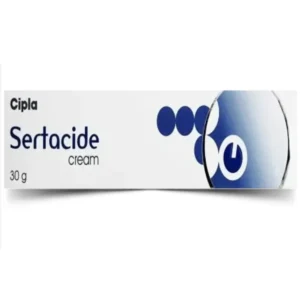
Sertacide Cream (Sertaconazole)
$4.00 $20.00Price range: $4.00 through $20.00
Next product
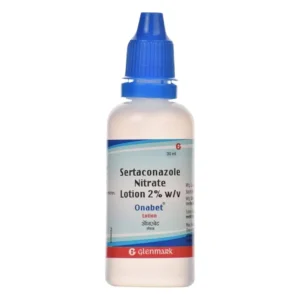
Onabet 2% Lotion (Sertaconazole)
$10.00 $56.00Price range: $10.00 through $56.00
$5.00 $27.00Price range: $5.00 through $27.00
In Stock
In Stock
Sertacide B Cream (Sertaconazole/Beclometasone)
| Pack Size | Price | Quantity | Add To Cart | |
|---|---|---|---|---|
| 1 Cream | $5.00 | |||
| 3 Cream/s | $14.00 | |||
| 6 Cream/s | $27.00 | |||
| Want to order in bulk / B2B price? Send Inquiry | ||||
×
Sorry!! Out of Stock
Sorry! Sertacide B Cream (Sertaconazole/Beclometasone) is out of stock
Please click below to view other similar medications.
View All Sertaconazole/Beclometasone Products
Offer You Can't Resist
Free Shipping
Enjoy Free Shipping on Orders above AUD304 (USD199)
Estimate Shipping :
07 June - 14 June
27
Last Updated on May 27, 2026

Description
A Detailed Guide to Uses, Benefits, and Safety
Inflammatory and skin infections are common ailments that affect individuals of all ages. To treat them effectively, it is often an array of drugs that treat both inflammation and pain. Sertacide Cream is a cream for the skin that contains two ingredients that are active: sertaconazole Nitrate along with beclometasone dipropionate, for the dual action treatment. This formula targets fungal infections while also reducing itching and inflammation, which makes it an effective remedy for a variety of dermatological issues.
This article gives a comprehensive review of Sertacide B Cream, its constituents, the way it functions, the indications for use, guidelines for application, possible adverse effects, warnings, and much more.
What Is Sertacide B Cream?
Sertacide B Cream is a prescription topical drug that has:
- Sertaconazole nitrate: A broad-spectrum antifungal agent.
- Beclometasone dipropionate: A corticosteroid with potency that helps reduces inflammation.
The combination cream has been designed for treating fungal skin conditions that are aggravated by itching and inflammation, like eczema, which can be accompanied by secondary fungal infections, or any other inflammatory dermatoses accompanied by fungal involvement.
Components of Sertacide B Cream and Their Roles
Sertaconazole Nitrate
Sertaconazole is part of the imidazole category of antifungal medications. It’s effective against a large variety of dermatophytes (fungi that cause skin infections, hair, and nails) as well as yeasts and molds. The mechanisms of action include:
- The inhibition of the synthesis of ergosterol is a key part of the fungal cell membrane.
- Inflammation of the fungal cell membrane structure results in the release of the cell’s contents and death of fungal cells.
- In addition, it has anti-inflammatory as well as antibacterial properties that contribute to the relief of symptoms.
Sertaconazole can be used for the primary purpose of treating diseases such as:
- Tinea corporis (ringworm)
- Tinea cruris (jock itch)
- Tinea pedis (athlete’s foot)
- Candidiasis (yeast infections)
Beclometasone Dipropionate
Beclometasone can be described as a corticosteroid topical that has strong anti-inflammatory as well as anti-pruritic (anti-itch) and vasoconstrictive effects. It is effective through:
- Inhibiting inflammatory mediators such as prostaglandins as well as leukotrienes.
- Inducing a decrease in immune responses and swelling.
- Redness and itching that is caused by skin inflammation.
Beclometasone can help reduce the swelling that is often associated with skin infections and other diseases, increasing patients’ comfort and speeding up the healing process.
How Does Sertacide B Cream Work?
A unique combination of Sertaconazole and beclometasone in Sertacide B Cream provides a synergistic effect:
- Sertaconazole eliminates fungal pathogens that cause infection.
- Beclometasone helps to reduce the inflammation response by reducing swelling, redness, and itching.
The dual approach is not just treating the infection, but it also relieves the symptoms that cause discomfort, which makes it simpler for patients to take and keep treatment going until the disease is eliminated.
Indications: When Is Sertacide B Cream Used?
Sertacide B Cream is used in dermatology to treat inflammation that is caused by fungal infection and itching. The most frequent indications are:
- Inflamed tinea infections: Like tinea corporis, or tinea cruris, this is characterized by significant inflammation.
- Candidiasis of the skin: The infection can cause redness or itching.
- Fungal infections with secondary dermatitis: In cases where fungal infections are caused by inflammation of the skin.
- The condition of eczema is aggravated by fungal infections.
- Fungal skin conditions that cause inflammation are a requirement for corticosteroid therapy.
How to Use Sertacide B Cream: Dosage and Application
Application Instructions
- Make sure to dry and cleanse the area that is affected before using the treatment.
- Use a light layer of Sertacide B Cream onto the afflicted part of the face and the skin surrounding it.
- Rub the cream gently until completely absorbed.
- Utilize twice a day (morning and evening) or according to the prescription of your doctor.
- Keeps treatment going for the entire time, typically two to four weeks, even if the symptoms get better earlier, in order to avoid the possibility of recurrence.
Important Tips
- Beware of applying the cream to the mucous membranes of open wounds unless it is directed by a physician.
- Cleanse your hands prior to and after application of the lotion.
- Do not wrap the area treated by airtight dressings, unless directed to do so.
- Do not touch your eyes. If contact is accidental, clean your eyes thoroughly by washing them with water.
Side Effects of Sertacide B Cream
Even though Sertacide B Cream is generally accepted by most people, there are some who could experience negative side effects.
Common Side Effects
- A mild burning or stinging sensation on the site of application.
- Dryness or peeling of the skin.
- Local irritation or redness.
- Allergic contact dermatitis (rare).
Less Common but Serious Side Effects
- The skin’s appearance is dwindling (atrophy) due to prolonged corticosteroid usage.
- The stretch marks (striae) on treated regions.
- Secondary infections resulting from the suppression of immune function.
- Hypopigmentation (lightening of the skin).
- Allergic hypersensitivity reactions.
If you experience severe itching or rash, swelling, burning, or worsening of symptoms, you should stop taking the medicine and speak with your doctor immediately.
Precautions and Warnings
Avoid Long-term Use
Excessive or prolonged use of corticosteroids applied to the skin, such as beclometasone, can cause damage to the skin and systemic absorption, resulting in adverse consequences. Make sure to use only as prescribed.
Not for Use on Face or Genital Areas Without Medical Advice
The skin around these regions is more prone and sensitive to the adverse effects of corticosteroids.
Allergies
Avoid using Sertacide B Cream if you are sensitive to beclometasone, sertaconazole, or any other ingredient included in the formulation.
Avoid Use in Viral or Bacterial Infections Without Appropriate Therapy
As this cream is antifungal as well as anti-inflammatory, it cannot be able to treat viral diseases such as herpes, or other bacterial infections unless specifically coupled with antibiotics.
Pregnancy and Breastfeeding
Talk to your doctor prior to using in case you are nursing or pregnant.
Drug Interactions
Topical medicines generally have low body absorption, and interactions with drugs are not common. But, if you’re applying other topical steroids or antifungals, you should inform your physician not to use too much of them.
Who Should Avoid Sertacide B Cream?
- Persons who are hypersensitive to any ingredient.
- Patients who have no treatment for viral or bacterial infection.
- Skin conditions that are severe require systemic treatment rather than topical treatment.
Storage Instructions
- The cream should be stored at room temperature away from direct light and moisture.
- Be sure to keep away from young children.
- Use only until the date of expiration.
Tips for Effective Treatment
- Continue to follow the complete program of treatment even if symptoms do not resolve immediately.
- Be careful not to scratch your affected part to stop getting worse or spreading the infection.
- Be sure to maintain good hygiene and ensure that the affected areas are free of dirt and moisture.
- Do not share towels, clothing, or personal belongings to stop the spread of infection or encourage reinfection.
Summary: Key Points About Sertacide B Cream
- Sertacide B Cream is a combination of sertaconazole (antifungal) as well as beclometasone (corticosteroid) to provide dual effect against fungal infections and inflammation.
- Helpful in addressing inflammation-related fungal infections such as candidiasis, tinea, and fungal infections that cause secondary dermatitis.
- Do this twice per day to cleanse dry, dry skin according to instructions by a medical professional.
- The majority of people are safe. However, beware of long-term use in order to avoid the adverse effects of corticosteroids.
- Check for allergic or irritation reactions. Consult your physician if you notice severe signs.
- Make sure to store the item in a secure place, and keep it safe from the reach of young children.
Frequently Asked Questions (FAQs)
Q: Can I use Sertacide B Cream on my face?
A: Under medical supervision only because corticosteroids are known to reduce the delicate skin of your face.
Q: How long does it take for the cream to work?
A: It is common to see improvement within 1 to 2 weeks; however, complete treatment can last up to 4 weeks.
Q: Can I use this cream for athlete’s foot?
A: Yes, if the ailment is painful and necessitates corticosteroid therapy, otherwise, natural antifungal creams are preferable.
Q: Is it safe for children?
A: Make sure to only use it if suggested by a doctor for children, since the skin of children is more irritable.
Q: What if I miss a dose?
A: Make sure to apply the cream as quickly as you can remember, and then continue with regular dosing.
Conclusion
Sertacide B Cream provides a beneficial combo treatment to treat fungal infections triggered by itching and inflammation. Treating both the infection and its manifestations, it provides more rapid relief and better skin healing. But, careful usage under the guidance of a physician is vital in order to stay clear of potential negative side effects, particularly those related to corticosteroids.
If you’ve been given Sertacide B Cream, understanding its advantages and the precautions it comes with can assist you to use the cream safely and efficiently. Be sure to follow the doctor’s guidelines and report any suspicious signs immediately.
Additional Information
| Manufacturer | Cipla Limited |
|---|---|
| Pharmaceutical | Cream |
| Strength | 10g |
| Pack Size | 1 Cream , 3 Cream/s , 6 Cream/s |
Related products




Recently Viewed


Reviews
There are no reviews yet.