
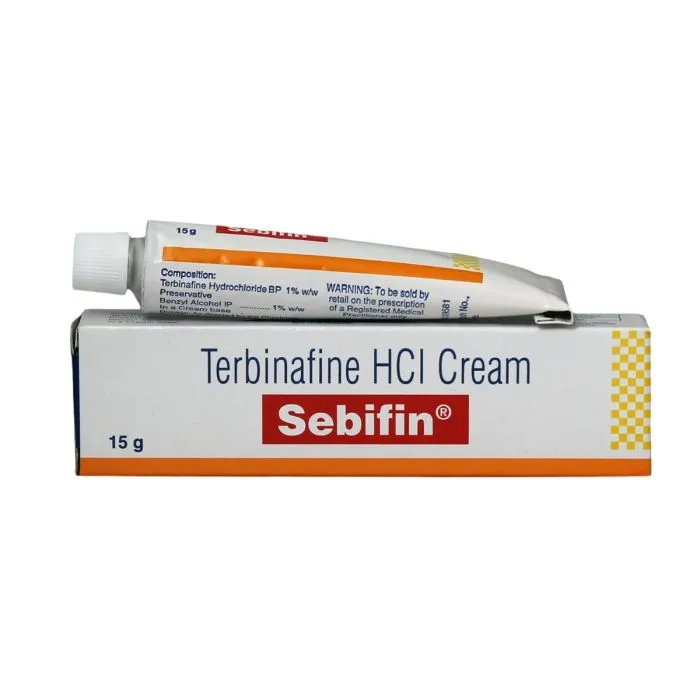
Sebifin Cream (Terbinafine)
Previous product


Pacroma Cream (Pimecrolimus)
$46.00 $130.00Price range: $46.00 through $130.00
Next product
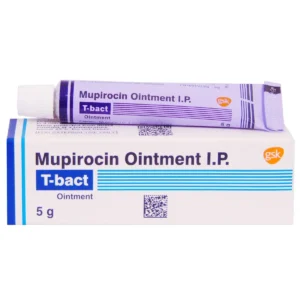
T-Bact Ointment 5gm (Mupirocin)
$15.00 $40.00Price range: $15.00 through $40.00
$15.00 $36.00Price range: $15.00 through $36.00
In Stock
In Stock
Sebifin Cream (Terbinafine)
| Pack Size | Price | Quantity | Add To Cart | |
|---|---|---|---|---|
| 3 Tube/s | $15.00 | |||
| 6 Tube/s | $27.00 | |||
| 9 Tube/s | $36.00 | |||
| Want to order in bulk / B2B price? Send Inquiry | ||||
×
Sorry!! Out of Stock
Sorry! Sebifin Cream (Terbinafine) is out of stock
Please click below to view other similar medications.
View All Terbinafine Products
Offer You Can't Resist
Free Shipping
Enjoy Free Shipping on Orders above AUD304 (USD199)
Estimate Delivery :
10 October - 17 October
35
Excellent service overall
Smooth checkout, quick dispatch, and secure delivery. Excellent service overall
 Australia
October 1, 2026
Last Updated on May 19, 2026

Description
Sebifin Cream (Terbinafine): A Complete Guide to Antifungal Treatment
Sebifin Cream, which is a source of the active component terbinafine, is a sought-after antifungal topical treatment that is widely used for treating various fungal diseases on the skin. It doesn’t matter if you’re struggling with Ringworm, athlete’s foot, or candida. Sebifin Cream offers an effective treatment by focusing on the primary reason for these conditions -that is, fungi.
This blog offers a comprehensive description of Sebifin Cream, which includes its applications, the way it functions, and how to apply it, possible adverse effects, warnings, and other pertinent information to assist you in understanding the medication and how to use it efficiently.
What is Sebifin Cream?
Sebifin Cream acts as an antifungal topical medicine that contains terbinafine as the main ingredient. Terbinafine is part of the class of antifungal drugs known as allylamine. Medicines and is used to treat fungal infections of the face caused by Dermatophytes yeasts and even other molds.
In contrast to the oral medications for antifungal, Sebifin Cream is applied directly on the area affected and provides targeted treatment with little systemic absorption. Sebifin Cream is usually recommended in cases of localized infection due to its safety and efficacy.
Common Conditions Treated with Sebifin Cream
Sebifin Cream can be prescribed to treat various fungal diseases that include:
Tinea Pedis (Athlete’s Foot)
Fungal infections that affect the feet, particularly in the area between toes. The symptoms include scaling, itching, or redness. It can also cause cracked skin.
Tinea Corporis (Ringworm of the Body)
Fungal infections that cause ring-shaped, red pimples on the skin, usually with a central area of clearing.
Tinea Cruris (Jock Itch)
The region of the groin, which causes redness, itching, and pain.
Tinea Versicolor
An infrequent yeast infection that causes dark patches of skin, typically located on the back or chest.
Candidiasis of the Skin
Fungal infections are caused by the Candida species that typically affect humid areas such as the armpits, groin, or underneath the breasts.
How Does Sebifin Cream Work?
Terbinafine is the active ingredient that is the active ingredient in Sebifin Cream, which works by blocking an important enzyme known as Squalene Epoxidase within fungal cells. This enzyme is essential in the production of ergosterol, which is a vital part of the fungal cell membranes.
Blocking the production of ergosterol causes the build-up of harmful chemicals (like squalene) in the fungal cells, which disrupts the cell’s membrane. This eventually leads to the demise of the fungal spore. This process effectively eliminates fungal infection.
How to Use Sebifin Cream
A proper use of Sebifin Cream is crucial in preventing fungal infections as well as preventing their Recurrence.
Step-by-Step Instructions:
- Clean and Dry the Affected Area: Rinse your skin using water and soap, and then dry it thoroughly, particularly in the skin folds.
- Apply a Thin Layer: Make use of a small amount of Sebifin Cream to apply it over the affected area, leaving an even margin around healthy skin.
- Rub Gently: The cream is gently massaged into the skin until it is completely absorbed.
- Wash Hands: After application, clean your hands, unless applying treatment to your hands.
- Frequency: Typically, you apply the cream at least once each day, as recommended by your physician.
- Duration: Keep treatment going for the full scheduled duration, which is usually two to four weeks, regardless of whether symptoms improve sooner. If you stop treatment too early, it could cause an infection to recur.
Tips for Effective Use:
- Be sure not to cover the affected area with airtight dressings, unless recommended by your physician.
- Do not expose yourself to sweat or water for at most a couple of hours after applying.
- Read all instructions on the prescription label or from your health care provider with care.
What to Expect During Treatment
- Improvement Timeline: Many patients start to experience the relief of symptoms (reduced itching, redness, and scaling) within the first few days after starting treatment.
- Complete Clearance: The complete resolution of the infection can take a few weeks, depending on the severity.
- Recurrence Prevention: After symptoms have gone away, you should continue to use Sebifin Cream as directed to stop any recurrence.
Potential Side Effects of Sebifin Cream
Sebifin Cream is generally very well-tolerated when applied in the manner prescribed. But there are some who suffer from side effects that are typically small and limited within the application area.
Common Side Effects:
- A mild burning or stinging sensation after application.
- Itching or redness in the area of application.
- Itching or irritation in the area of application.
Rare but Serious Side Effects:
- Severe allergic reactions (rare): swelling, rash, difficulty breathing.
- Recurrent irritation, or a worsening of symptoms.
If you notice any extreme reaction or symptoms of an allergy, cease usage immediately and speak with an expert in healthcare.
Precautions and Warnings
Before Using Sebifin Cream:
- Allergies: Contact your physician if you’ve had a previous history of allergies to terbinafine or any other antifungal medications.
- Pregnancy and Breastfeeding: Make sure to only use as directed by a doctor. There is no data available about the safety of breastfeeding or during pregnancy.
- Skin Conditions: Don’t apply Sebifin Cream on wounds that are open, cuts, or regions caused by bacteria or viruses unless directed.
- Children: Effectiveness and safety for children younger than 12 aren’t well-established. Make sure to use only under supervision from a medical professional.
Avoid Contact With:
- Mouth, eyes, nose, and mucous membranes.
- If contact is accidental, wash thoroughly in water.
Drug Interactions
Sebifin Cream acts as a cosmetic drug; therefore, absorption into the system is low, which reduces the possibility of interaction with drugs. Be sure to consult your physician about any medicines and supplements that you’re applying, including the other cosmetic products used in the same place.
Beware of using any other topical medication within the same region unless prescribed by your physician to improve the efficacy of your treatment or worsen the likelihood of irritation.
What If You Miss a Dose?
If you do not remember applying Sebifin Cream on time, or at the prescribed time, make sure you apply the cream as soon as you remember. If you’re nearing the deadline for the next dose, you can skip the missed dose and then resume the routine. Don’t double your dose to cover the dose that was missed.
Can Sebifin Cream Be Used With Other Treatments?
Sebifin Cream can be used in conjunction with other treatments when recommended by your physician, specifically in cases of severe or mixed skin problems. Beware of self-medicating using different creams and ointments without getting medical advice.
How to Store Sebifin Cream
- Keep Sebifin Cream in a cool, dry place, and away from direct sunlight as well as moisture.
- Make sure the container is tightly sealed during times of non-use.
- Be sure to keep away from children and pets.
- Use the cream only past the date of expiration.
Frequently Asked Questions (FAQs)
How long does it take for Sebifin Cream to work?
The majority of patients see improvement after just a couple of days. The treatment typically lasts for between 2 and 4 weeks before achieving complete resolution.
Can I use Sebifin Cream on my face?
Only apply to the face as directed by a medical professional to avoid irritation, since facial skin is more sensitive, and it may react differently.
Is Sebifin Cream effective for nail fungal infections?
No, there is no need to worry; Sebifin Cream is not recommended for treating nail problems. A prescription antifungal medication or nail lacquers is usually needed.
Can I use Sebifin Cream for yeast infections?
Yes, it is indeed effective against certain yeast infections on the skin, but it should not be utilized for vaginal yeast infections.
What should I do if my symptoms worsen?
Do not use the product and speak with your doctor immediately if your condition worsens or doesn’t improve in the anticipated time frame.
Conclusion
Sebifin Cream (Terbinafine) is a proven and efficient topical antifungal therapy to treat a wide range of skin fungal diseases. The mechanisms of action, as well as its ease of use and its safety profile, make it the preferred option for patients suffering from painful and chronic fungal conditions.
If properly used and over the entire recommended time, Sebifin Cream can help to restore healthy skin and stop complications, enhancing the quality of your life and comfort. Follow your doctor’s guidelines, look out for any adverse consequences, and ensure proper hygiene for maximum treatment results.
If you think you may have a fungal infection or experience frequent skin problems, speak with an expert in healthcare for an accurate diagnosis and a treatment that could consist of Sebifin Cream.
Additional Information
| Manufacturer | Sun Pharmaceutical Industries Ltd |
|---|---|
| Pharmaceutical | Cream |
| Strength | 1% |
| Pack Size | 3 Tube/s, 6 Tube/s, 9 Tube/s |
Related products
Reviews
There are no reviews yet.